Choosing among the 2026 best prosthetic implants requires more than comparing brands, prices, or impressive product claims. The right choice depends on anatomy, tissue quality, movement patterns, medical history, and daily goals. A device that performs well for one patient may cause pressure, looseness, or discomfort for another. Fit is personal.
How to ensure prosthetic implants fit properly begins with a detailed clinical assessment. Qualified surgeons, prosthetists, and rehabilitation specialists should review imaging, measurements, skin condition, muscle strength, and expected loading. Trial components can reveal pressure near a socket edge, unusual movement, or a painful shift during walking. These small observations matter. They often guide meaningful adjustments before final placement.
Material selection also deserves careful attention. Titanium, cobalt-chromium, advanced polymers, and ceramic components each have different strengths, weights, and maintenance needs. Evidence-based recommendations should come from regulated manufacturers, peer-reviewed research, and experienced clinical teams. Patients should ask about testing, warranty terms, revision planning, and follow-up schedules. A confident sales pitch is not clinical proof.
No fitting method is perfect. Swelling may change measurements, and tissue can respond differently than expected. Even experienced professionals must reassess the implant after healing, activity changes, or new discomfort. This is where patient feedback becomes essential. A secure fit should support movement without creating persistent redness, numbness, instability, or sharp pain. Proper rehabilitation also helps the body adapt.
The goal is not merely an implant that fits on the procedure date. It is a carefully monitored solution that remains functional, safe, and comfortable over time.
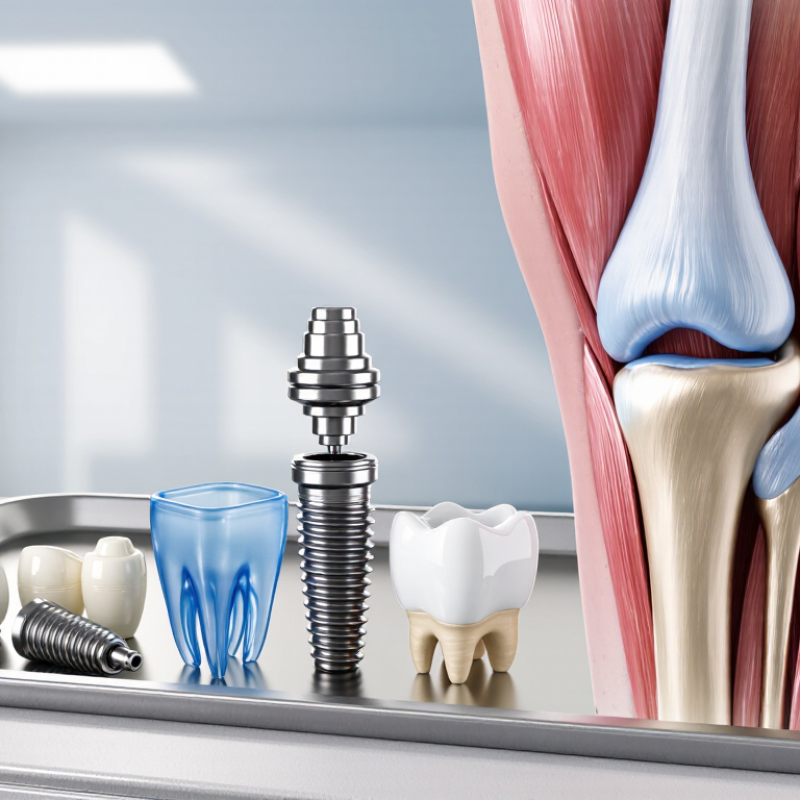
Prosthetic implant selection in 2026 depends on anatomy, movement, and long-term tissue response. Different implant types solve different clinical problems. Dental implants replace missing tooth roots and support crowns, bridges, or dentures. Orthopedic implants restore damaged hips, knees, shoulders, and spinal structures. Osseointegrated limb implants connect an external prosthesis with bone, while craniofacial implants support facial reconstruction.
Each application demands a different fit.
A dental implant requires sufficient bone volume, stable gum tissue, and carefully controlled bite forces. Joint implants must match bone geometry and preserve natural movement. Limb implants require precise alignment, skin monitoring, and gradual loading during rehabilitation. Imaging helps, but it cannot replace physical examination. Swelling, muscle strength, walking patterns, and patient feedback also matter. Small errors become painful during daily use.
The fitting process should involve qualified surgeons, prosthetists, dentists, therapists, and imaging specialists. They should review medical history, bone quality, activity goals, and possible complications before choosing an implant design. Advanced planning tools may improve accuracy in 2026, but technology is not infallible. A digital model can miss fragile tissue or an unusual gait. Real bodies are less predictable. Follow-up appointments allow clinicians to adjust alignment, pressure, and rehabilitation plans. Some patients need more time than expected. That is not failure; it is useful clinical evidence.
Choosing the best prosthetic implant in 2026 starts with the patient, not the device. Anatomy sets the boundaries. Clinicians should assess bone density, residual-limb length, soft-tissue coverage, nerve sensitivity, and skin condition. Imaging can reveal narrow canals, previous fractures, or uneven bone stock that ordinary measurements miss.
Movement goals must be equally specific. A warehouse worker may need rotational control and high load tolerance. A recreational walker may value comfort, balance, and easier rehabilitation. The World Health Organization and UNICEF estimated in 2022 that more than 2.5 billion people need assistive products globally. This figure highlights demand, but it does not define an individual fit. Goals remain personal.
Compatibility includes implant geometry, fixation method, material response, expected loading, and future imaging needs. A 2020 systematic review of transcutaneous osseointegration reported implant survival above 90% in many published series, although follow-up periods and definitions differed. I would not treat that number as a promise. Infection risk, falls, bone remodeling, and rehabilitation quality can change the outcome. Small details matter: a tender scar, a few millimeters of mismatch, or an unrealistic activity target may undermine an otherwise sound plan. Fit should be reviewed during walking trials, not judged from scans alone. Poor early assumptions can persist too long.
Choosing the right implant begins with the patient, not a product catalog. A clinician should review bone quality, soft-tissue condition, daily activity, and expected loading. Three-dimensional imaging can reveal narrow ridges, hidden defects, or uneven anatomy before treatment starts. Measurements must match the planned prosthesis and the surrounding tissue.
Material choice affects comfort, strength, maintenance, and biological response. Titanium may suit high-load applications, while ceramic can support specific aesthetic or sensitivity needs. Polymers may help create lightweight components in selected cases. No material is perfect.
Design matters just as much. A stable connection, cleanable contours, and a suitable surface can reduce movement and irritation. The implant should support function without placing unnecessary pressure on nearby structures.
Size deserves careful judgment. Larger is not automatically safer. An oversized implant may damage tissue or limit future treatment, while a small one may lack stability. Experienced clinicians often compare digital plans with physical trial components and adjust the design when anatomy does not cooperate. That step can feel slower, but it prevents avoidable compromises.
Fit should also be checked after placement, because swelling, healing, and bite changes can alter performance. Regular follow-up, imaging, and honest reporting of discomfort remain essential. Even a well-planned case may need refinement.
Proper fit begins before the patient enters the operating room. Surgeons should review bone quality, limb length, joint loading, and soft-tissue balance. Three-dimensional imaging can reveal bone loss or unusual anatomy. Small errors may become painful during walking.
Registry evidence supports careful planning. The National Joint Registry’s 21st Annual Report tracks more than three million hip and knee procedures in England and Wales. It shows that implant survival varies by joint, fixation method, age, and patient factors. The American Joint Replacement Registry also reports that revision risk changes across implant types and surgical approaches. These findings do not prove one universal technique. Patient-specific alignment still matters.
Tips: Confirm the planned implant size with calibrated imaging. Mark the mechanical axis before incision. Check leg length and rotation during trial placement. Use navigation or robotic assistance only when it improves reproducibility. Keep a backup size available. Do not force a component into marginal bone. A stable fit can still be poorly aligned. Intraoperative checks should include range of motion, contact points, and soft-tissue tension. Document each decision, including unexpected anatomy. The gap between the plan and the final placement deserves honest review. Data from the International Society of Arthroscopy, Knee Surgery and Orthopaedic Sports Medicine emphasize reproducible alignment targets, yet real patients rarely match textbook geometry. Careful judgment remains essential.
Proper implant fit depends on accurate preoperative planning, restoration of the intended joint center, and controlled component alignment. The chart shows commonly cited angular planning windows used as reference points for hip and knee arthroplasty placement.
These ranges are clinical planning references rather than universal rules. Patient anatomy, implant design, surgical approach, bone quality, and soft-tissue balance should be evaluated before final placement. Reference basis includes the traditional acetabular “safe zone” described by Lewinnek et al. and commonly used neutral-alignment targets in knee arthroplasty.
A proper prosthetic implant fit begins with testing, not guesswork. Clinicians should assess pressure points, bite balance, movement, and soft-tissue response during several appointments. A small adjustment can prevent a painful sore beneath the prosthesis. For dental implants, a 2015 Journal of Dental Research review reported peri-implantitis affecting about 22% of implants. That figure makes routine monitoring essential, even when the device feels comfortable.
Healing deserves close attention. Swelling, bleeding, persistent warmth, or a loose connection should prompt professional review. Healing is not always linear. Some patients improve quickly, while others need slower loading and repeated imaging. The International Team for Implantology recommends structured maintenance, including hygiene reviews and tissue assessment. Yet daily comfort can still be overlooked. A patient may quietly tolerate rubbing for months.
Long-term refinement often involves minor changes to the socket, alignment, cushioning, or prosthetic height. The 2012 review by Pjetursson and colleagues reported strong five-year survival for several implant-supported restorations, but survival does not equal comfort. That distinction matters. Keep a simple symptom record, note walking or chewing limits, and report changes early. Clinicians should reassess fit after weight change, activity changes, or altered gait. Perfect fit is rarely achieved in one visit. The honest goal is dependable comfort that can be adjusted over time.
Dental implants replace missing tooth roots. Joint implants support damaged hips, knees, or shoulders. Limb implants connect an external prosthesis with bone. Craniofacial implants assist facial reconstruction.
Bone density, tissue coverage, skin condition, and nerve sensitivity matter. Residual-limb length also affects alignment. A narrow bone canal can change the entire plan. Small mismatches hurt.
Yes. A warehouse worker may need strong load control and rotation. A recreational walker may prefer comfort and balance. Goals should remain personal, not copied from another patient. That distinction matters.
No. Scans reveal bone shape and hidden structural problems. They cannot show every gait pattern or pressure point. Clinicians should also examine swelling, muscle strength, movement, and feedback. Real bodies vary.
Qualified clinicians review medical history, bone quality, movement goals, and possible complications. They may test walking, chewing, pressure, or joint movement. Alignment can change by a few millimeters. That small change may prevent a sore.
Report persistent swelling, bleeding, warmth, looseness, or increasing pain. A rubbing area may worsen beneath a prosthesis. Some people tolerate discomfort quietly for months. That deserves attention.
No. Survival means the implant remains functional or present. It does not guarantee comfortable walking, chewing, or skin health. Comfort may require socket changes, cushioning, alignment, or height adjustments. The numbers are not promises.
Keep a simple record of pain, walking limits, chewing changes, and skin reactions. Attend hygiene reviews and tissue checks. Request reassessment after weight or activity changes. Perfect fit is uncommon. Revision is not failure.
In 2026, selecting the best prosthetic implant begins with understanding the available implant types and matching them to the patient’s anatomy, activity level, mobility goals, and long-term needs. The evaluation should consider bone structure, soft-tissue condition, joint function, and compatibility between the implant and surrounding tissues. Material selection, structural design, and implant size must be carefully assessed to balance strength, comfort, flexibility, and durability.
How to ensure prosthetic implants fit properly depends on thorough planning before, during, and after surgery. Proper placement supports stability, alignment, natural movement, and even distribution of pressure. After implantation, clinicians should test the fit through controlled movement, monitor healing, and address discomfort, swelling, or changes in function as they arise. Regular follow-up and gradual adjustments can refine comfort, improve mobility, and help maintain reliable performance over time.

Clerivida Medical