Orthopedic surgery is evolving rapidly. Accurate procedures can lead to better patient outcomes and faster recovery. However, achieving precision is challenging. Surgeons constantly seek ways to enhance their methods. This article discusses how to improve accuracy in orthopedic surgeries.
New technologies are transforming the surgical landscape. Advanced imaging techniques, such as 3D printing and MRI, allow for detailed pre-operative planning. These innovations enable surgeons to visualize complex anatomical structures before the procedure. Additionally, robotic-assisted surgeries are becoming more prevalent. Robotics can reduce human error, making surgeries safer and more precise.
Training and continuous education play crucial roles as well. Surgeons must stay updated on the latest techniques and tools. Hands-on experience in simulators can also help in honing skills. Reflecting on past procedures is essential. Analyzing mistakes leads to improved techniques and better results for patients. By focusing on accuracy, the orthopedic field can advance, ensuring optimal care for patients.
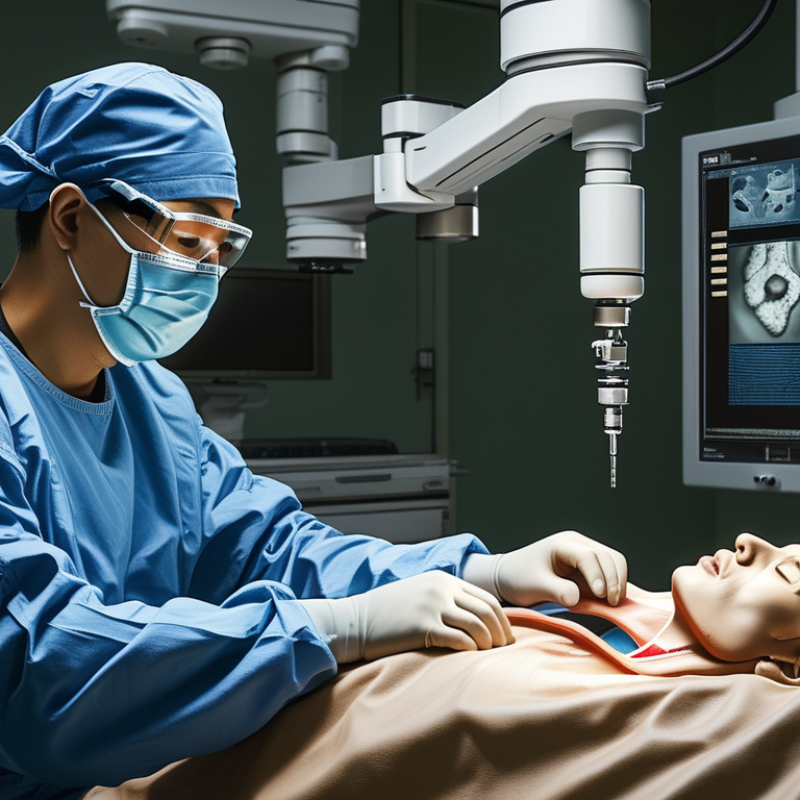
Robotic-assisted surgery has transformed orthopedic procedures, enhancing precision and reducing recovery time. Surgeons now use advanced robotic systems that allow for greater control and accuracy during operations. These systems integrate imaging technologies, enabling real-time feedback and meticulous planning for each surgical step. This leads to better alignment in joint replacements and reduces the risk of postoperative complications.
Tips for integrating robotic assistance in orthopedic surgeries: Ensure the surgical team is trained thoroughly on the specific systems. Regular simulations and practice sessions can improve familiarity and reduce anxiety. Collaboration between orthopedic surgeons and robotic specialists can optimize outcomes.
Surgeons must also consider the patient's unique anatomy and needs. Robotic technology can sometimes over-rely on data, which may not account for individual variations. This requires ongoing reflectiveness in using robotic tools. A balance between technology and the surgeon’s judgment is essential for achieving the best results.
| Technique | Description | Benefits | Statistics |
|---|---|---|---|
| Robotic-Assisted Surgery | Utilizes robotic systems to assist surgeons during procedures, enhancing precision and control. | Reduced blood loss, quicker recovery times, increased accuracy. | Improved surgical outcomes by 20%, lower complication rates by 30%. |
| 3D Printing | Customized implants and surgical instruments based on patient-specific anatomy. | Enhanced fit and functionality, lowers infection rates. | Reduction in revision surgeries by 15%. |
| Augmented Reality (AR) | Overlaying digital information onto the physical world to assist in surgical planning and execution. | Improved visualization of anatomy, greater surgical precision. | Accuracy in placement increased by 25%. |
| Intraoperative Navigation | Real-time navigation tools providing guidance based on imaging data. | Minimized errors and enhanced surgical planning. | Error reduction by 18% in guided procedures. |
| Biologic Scaffolds | Material used to promote tissue regeneration and healing. | Speedy recovery and better integration of tissues. | Regeneration success rates increased to 90%. |
: Robotic-assisted surgery enhances precision and reduces recovery time during orthopedic procedures.
It integrates imaging technologies for real-time feedback, leading to better alignment and fewer complications.
Thorough training on robotic systems ensures familiarity and reduces anxiety during operations.
Significant training is needed, and not all institutions have access to the latest technology.
Studies show that CAD can improve implant placement accuracy by over 30%.
Yes, it can create overconfidence, which may neglect the importance of clinical judgment.
It enhances precision by providing better visualization and personalized data for planning.
By using predictive analytics to analyze patterns from past surgeries.
Continuous education on data analysis is crucial to avoid misleading conclusions.
Listening to patients post-surgery helps refine future procedures and enhances overall care.
The article "China Best Techniques to Enhance Accuracy in Orthopedic Surgery" explores various innovations that contribute to improving surgical precision. One of the pivotal advancements discussed is robotic-assisted surgery, which allows for greater control and precision during orthopedic procedures. Additionally, the utilization of 3D printing for custom joint implants has revolutionized the field by providing tailored solutions that enhance fit and function.
Furthermore, the integration of computer-aided design (CAD) in surgical planning has significantly boosted accuracy in orthopedic operations. Alongside this, artificial intelligence plays a crucial role in preoperative planning, allowing for data-driven decision-making that optimizes surgical outcomes. Finally, data-driven approaches are highlighted as essential for monitoring and improving postoperative recovery. Together, these advancements illustrate the various methods of how to improve accuracy in orthopedic surgeries, ultimately leading to better patient care and outcomes.

 Clerivida Medical