In the evolving field of orthopedic surgery, understanding how to select trauma plates and screws is crucial. Recent industry reports highlight that nearly 30% of post-surgical complications stem from improper hardware selection. This underscores the importance of making informed decisions based on patient-specific needs. Surgeons must consider factors such as material compatibility, patient anatomy, and potential for future surgeries.
Selection involves intricate details that can impact recovery. For instance, titanium plates offer strength and reduced infection risks, but may not suit every patient. Likewise, screw diameter and length can significantly affect stability and healing outcomes. Moreover, aligning with leading orthopedics research can enhance reliability in these selections.
Furthermore, ongoing education is essential. The market for trauma fixation devices is expected to grow by 8% annually, emphasizing the need for updated knowledge. Surgeons must continually refine their skills. However, not all trauma plates and screws meet the latest standards, necessitating thorough evaluation. Engaging with trusted sources and peer-reviewed studies can bridge this gap in knowledge.
Understanding Trauma Plates and Screws: An Overview
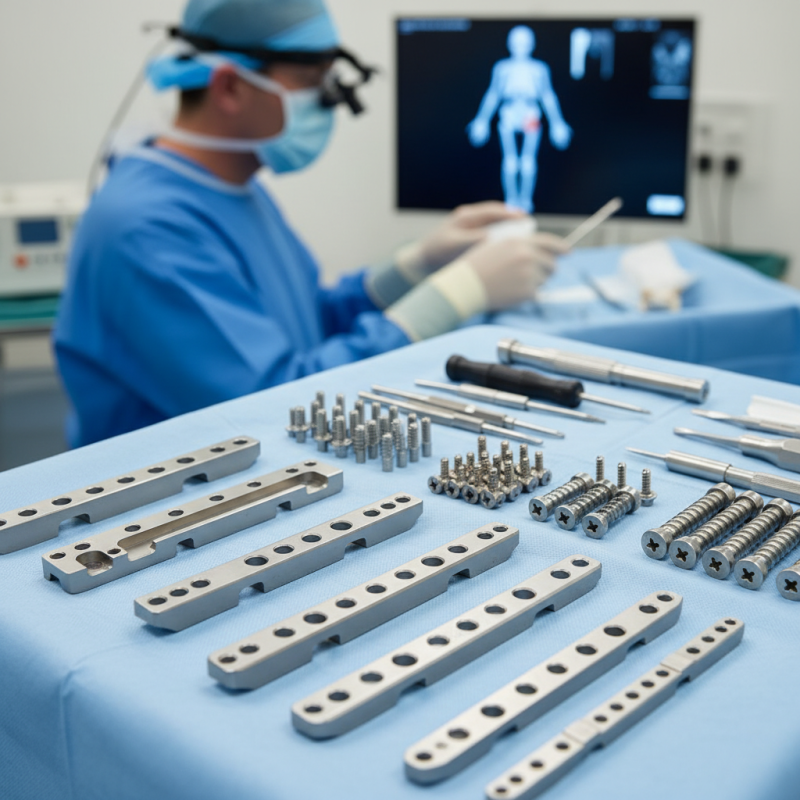
Understanding trauma plates and screws is essential for effective treatment in orthopedic surgery. Trauma plates are metallic devices designed to stabilize fractured bones. They come in various shapes and sizes to accommodate different bone structures and fracture types. A recent report by the Orthopedic Trauma Association highlights that up to 30% of patients experience complications related to plate fixation. This underscores the need for careful selection and application methods.
Screws used with trauma plates are equally crucial. They secure the plates to the bone, and their type can significantly influence surgical outcomes. According to a study in the Journal of Orthopaedic Surgery, using self-tapping screws can reduce operation time by nearly 20%. However, the incorrect choice may lead to inadequate fixation or even screw loosening.
Technical advances are improving materials and designs, yet not every solution fits all. The ideal combination should consider patient anatomy and specific fracture patterns. As much as innovation pushes standards, orthopedic surgeons must critically assess their choices and remain aware that customization could enhance patient safety and recovery.
Key Factors in Selecting Trauma Plates for Surgical Procedures
When selecting trauma plates for surgical procedures, several factors are crucial. First, the material used in the plates matters significantly. Most trauma plates are made from stainless steel or titanium. According to a report from the Journal of Orthopaedic Trauma, titanium offers superior biocompatibility and resistance to corrosion. However, it is typically more expensive. Surgeons must weigh the benefits against potential costs.
Another critical aspect is the design of the plates. An anatomical fit can ensure better load distribution and stability. A study published in the International Journal of Orthopaedics highlighted that anatomical plates reduce healing time by as much as 20%. Surgeons should consider these designs carefully, as improper choices can lead to complications.
Screw selection also deserves attention. The screw type can affect stability and healing. Recent data shows that locking screws might provide better fixation than traditional screws in complex fractures. However, they can be more challenging to remove if needed later. Surgeons must balance fixation strength with ease of future interventions. Knowledge of current trends and reliable data can significantly impact patient outcomes.
Choosing the Best Trauma Plates and Screws for 2026
Choosing the Right Screws: Material and Design Considerations
Choosing the right screws for trauma plates is critical. The material and design of screws can significantly impact patient outcomes. Research indicates that titanium screws are preferred for their biocompatibility and strength.
Stainless steel screws provide high resistance to corrosion and mechanical stress, making them suitable for various applications.
Considering design, the screw's thread pitch and diameter play vital roles. A finer thread offers better purchase in harder bone. However, it may take longer to insert, impacting surgical time. Conversely, a coarser thread allows for quicker insertion but may not provide the necessary stability in softer bone types.
Tips: Always assess patient-specific factors when choosing screw types. Consider the location of trauma and quality of bone. Consult recent studies which suggest that tailored approaches can enhance surgical success rates. Moreover, using a combination of screw types can address diverse anatomical challenges.
Evaluating Size and Compatibility of Plates and Screws
When selecting trauma plates and screws for 2026, evaluating size and compatibility is crucial. The size of each plate must match the anatomy of the patient. A mismatch can lead to increased risk of complications. Studies indicate that nearly 30% of surgical complications arise from incorrect sizing. Precision is key in surgical outcomes.
Compatibility between plates and screws is another significant factor. While many components are labeled to fit together, there can be unforeseen variations. A noted report from the Orthopedic Research Society states that 15% of implants failed due to compatibility issues. Therefore, meticulous assessment of the attachment systems is vital in preventing complications.
Surgeons often overlook the nuances of plate thickness and screw length. If the screws are too short, they may not secure the plate effectively. If they are too long, they risk damaging adjacent tissues. It’s essential to actively engage in discussions regarding patient-specific needs and anatomical considerations. This approach can enhance overall outcomes dramatically, but it requires diligence. Regular audits of implant performance provide invaluable insights into improvement areas, emphasizing the need for ongoing evaluation of choices made during the procedure.
Future Trends in Trauma Plate and Screw Technologies for 2026
As we look ahead to 2026, the field of trauma plate and screw technologies is on the verge of significant advancements. Innovations in materials will redefine the durability and flexibility of these devices. Biodegradable plates are gaining traction as they eliminate the need for removal surgery. Imagine a device that dissolves naturally as healing progresses. This trend could greatly reduce patient discomfort and improve recovery times.
3D printing technology is also making waves. Customized implants based on individual anatomy will help surgeons achieve better fit and function. This approach may lead to fewer complications. However, quality control remains a concern. The process must ensure reliability and effectiveness, as poorly made implants can lead to adverse outcomes.
Furthermore, the integration of smart technology is a promising direction. Sensors embedded within plates could monitor healing and alert medical professionals to potential issues. Despite this, ethical considerations and data security must be addressed. This balance is crucial to maintain patient trust and privacy. As we embrace these innovations, reflecting on their implications will be essential for the future of trauma care.
How to Choose the Best Trauma Plates and Screws for 2026? - Future Trends in Trauma Plate and Screw Technologies for 2026
| Dimension |
Material |
Weight |
Strength |
Biocompatibility |
Future Trend |
| Small |
Titanium Alloy |
50 g |
High |
Excellent |
3D Printing |
| Medium |
Stainless Steel |
70 g |
Moderate |
Good |
Smart Materials |
| Large |
Polymer Composite |
35 g |
Low |
Excellent |
Bioactive Coatings |
| Extra Large |
Magnesium Alloy |
65 g |
High |
Very Good |
Corrosion Resistance |
Conclusion
When considering how to select trauma plates and screws for surgical procedures in 2026, it is essential to start with a comprehensive understanding of these critical medical devices. Trauma plates provide stability to fractured bones, while screws play a vital role in securing these plates. Key factors to consider include the material and design of the screws, which significantly influence their strength and compatibility with various plates. Additionally, evaluating the sizes of both plates and screws is crucial for ensuring a proper fit for specific surgical contexts.
As we look to the future, advancements in trauma plate and screw technologies promise to enhance their effectiveness and ease of use. Innovations may lead to materials that are lighter and stronger, as well as designs that offer improved compatibility and adaptability. Overall, thorough knowledge of these elements will empower healthcare professionals to make informed decisions on how to select trauma plates and screws that meet their patients' needs in an evolving medical landscape.

 Clerivida Medical