Choosing the right orthopedic tools for minimally invasive procedures is crucial. Dr. Emily Robinson, a leading orthopedic surgeon, states, "The right tools can make all the difference in patient outcomes." Selecting these tools requires understanding their purpose and effectiveness.
When considering how to choose orthopedic tools for minimally invasive procedures, factors like ergonomics, size, and durability come into play. Each procedure has specific tool requirements, and familiarity with these can enhance precision and reduce complications. Many surgeons overlook the importance of tool quality, which can lead to frustrations during surgeries.
Yet, the process isn't straightforward. Some tools might look appealing but fail in function. It's essential to conduct thorough research and seek expert opinions when making final selections. Trusting a well-regarded manufacturer is vital, but personal experience should not be underestimated. Ultimately, making informed choices can significantly impact surgical efficiency and patient care.
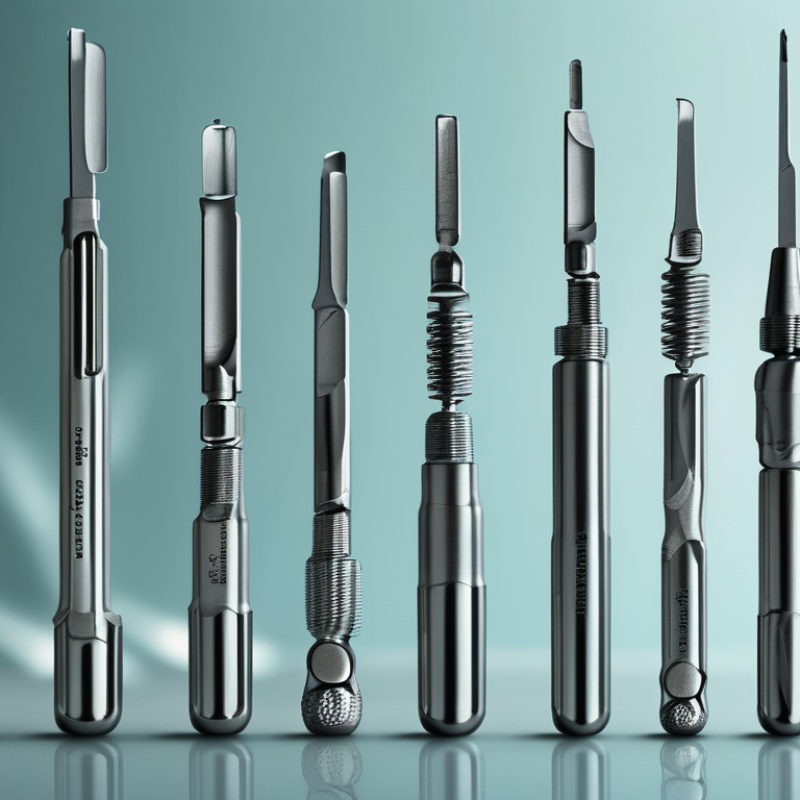
Minimally invasive surgery (MIS) represents a significant advancement in surgical techniques. Surgeons use small incisions, leading to reduced recovery times. Patients often experience less pain and minimal scarring. This approach enhances the overall experience for both the healthcare provider and the patient.
The benefits extend beyond comfort. MIS can decrease hospital stays and lower infection risks. Surgeons are able to use advanced imaging tools, improving precision during procedures. However, the learning curve for these techniques can be steep. Not all surgeons may feel confident in utilizing emerging technologies. Ongoing education and training are critical for enhancing skill levels in this area.
Selecting the right orthopedic tools for MIS is complex. It requires careful consideration of each procedure’s demands. Tools must be tailored to patient needs and specific surgeries. In some cases, limitations in tool design may hinder surgical outcomes. Surgeons should continually evaluate their equipment and seek better options. Embracing innovation is essential in optimizing care and achieving successful results.
When choosing orthopedic tools for minimally invasive surgery, key features play a crucial role. These tools should be lightweight yet durable. Materials like titanium or high-grade stainless steel are commonly preferred. They enhance maneuverability and allow for precise handling in tight spaces. Ergonomic designs can also make a significant difference, improving the surgeon's grip and reducing fatigue during procedures.
Another important feature is the tool's ability to provide excellent visualization. Equipment that supports high-definition imaging is vital. It helps the surgeon see the surgical site clearly, reducing the chances of complications. Additionally, tools that integrate easily with imaging technologies can streamline the entire procedure. It ensures that every movement is informed by the best available data.
Reliability is a common concern. Not all tools perform as expected under real conditions. Some designs may not withstand the rigors of surgery, leading to potential failures. Surgeons often need to reflect on their experiences with various tools to make better choices in the future. Prioritizing thorough testing and past performance will aid in selecting the right instruments.
| Tool Type | Key Features | Benefits | Recommendation Level |
|---|---|---|---|
| Arthroscopic Scissors | Minimally invasive, ergonomic design, sharp blades | Reduced tissue damage, enhanced precision | High |
| Bone Punch | Compact design, durable material | Efficient bone removal, easy to use | Medium |
| Trocars | Varied diameters, sharp cutting edge | Minimal incision, multiple access points | High |
| Electrocautery Unit | Precision cutting, coagulation feature | Reduced bleeding, efficient tissue management | High |
| Suture Passer | Flexible, easy maneuverability | Streamlined suturing process, enhanced accuracy | Medium |
When selecting orthopedic surgical instruments for minimally invasive surgery, several critical factors warrant careful consideration. The complexity of these procedures highlights the need for precision-engineered tools. Surgeons often prioritize instruments that offer excellent maneuverability and visibility in tight spaces. Moreover, the weight and ergonomics play a significant role. Lightweight designs can reduce fatigue during lengthy surgeries, while ergonomic handles enhance grip and control.
Material choice is another defining aspect. Stainless steel remains a popular option due to its durability, but new materials are emerging. Some surgeons express concerns about how certain plastics respond to sterilization processes. Ensuring that materials are compatible with the surgical environment is essential. Furthermore, instrument sizes must align well with the patient’s anatomy. Outliers can disrupt a surgeon’s workflow and affect patient outcomes.
Another factor to ponder is the ease of cleaning and reprocessing. Instruments that are difficult to decontaminate can lead to higher infection risks. Surgeons should reflect on their experiences with various tools. Gathering feedback from peers can be invaluable. Ultimately, the decision-making process should incorporate a blend of personal experience, peer advice, and an understanding of evolving technologies.
Choosing the right orthopedic tools for minimally invasive surgery significantly hinges on the material quality and durability of those tools. Materials like stainless steel and titanium often excel in surgical settings. They offer both strength and resistance to corrosion. However, not all surgeons fully understand how different materials affect performance. This lack of understanding can lead to suboptimal tool selection, impacting surgery outcomes.
Durability is another critical factor to consider. Surgical tools should withstand repeated use without losing their integrity. Some tools may appear robust but can degrade over time. Surgeons need to look for signs of wear and tear. Regular assessments can help identify when tools should be replaced. However, many professionals overlook routine maintenance, which can compromise tool effectiveness.
Furthermore, weight and ergonomics play an essential role in tool selection. A well-balanced surgical tool can enhance precision during procedures. Yet, each surgeon might have personal preferences that could cloud objective evaluations. Understanding these preferences is vital for selecting the right instruments. Therefore, ongoing training and peer discussions are important, enabling surgeons to make informed decisions about their instruments.
The advancement of technology has significantly transformed orthopedic surgery. Minimally invasive techniques rely heavily on precise tools that enhance surgical outcomes. Surgeons now utilize robotic-assisted systems that improve accuracy. These tools reduce trauma to surrounding tissues, leading to shorter recovery times for patients.
Image-guided navigation systems have become invaluable. They help surgeons visualize the surgical site in real time. This technology enhances precision, reduces surgical error, and minimizes complications. However, relying solely on technology can have its drawbacks. Surgeons must still apply their skills and judgment. There is a risk of overconfidence in technology, which may lead to overlooked issues.
Incorporating 3D printing in orthopedic tool production is revolutionizing the field. Custom implants are being created to fit individual patients better. This personalization improves comfort and functionality. Yet, the quality control of these prints remains crucial. It highlights the need for ongoing evaluation of such technologies. Ensuring reliability while embracing innovation is a delicate balance.
: Lightweight and durable materials like titanium and high-grade stainless steel are commonly preferred.
Excellent visualization helps surgeons see the surgical site clearly and reduces complications.
Ergonomic designs improve grip and can significantly reduce fatigue during lengthy procedures.
Reliability is a common concern; not all instruments perform well under real surgical conditions.
Instrument weight, ergonomics, maneuverability, and compatibility with the patient’s anatomy are essential.
Difficult-to-clean instruments can increase infection risks, making ease of cleaning essential.
Technology allows precise tools that enhance outcomes and reduce patient recovery times.
3D printing enables customized implants that improve comfort and functionality.
Relying too much on technology can lead to overconfidence; skill and judgment remain crucial.
Reflecting on past experiences with instruments can inform better choices for future procedures.
In the quest to enhance surgical outcomes, understanding minimally invasive surgery and its advantages is crucial. The article outlines how to choose orthopedic tools for minimally invasive procedures by highlighting key features that these instruments must possess, such as precision, flexibility, and ergonomic design. Additionally, it emphasizes the importance of considering factors like the surgical environment, specific procedure requirements, and the surgeon’s experience when selecting orthopedic surgical instruments.
Material quality and durability are also critical components, as these attributes significantly impact the longevity and performance of the tools. Furthermore, the role of technology is examined, showcasing how advancements in design and materials are pushing the boundaries of what orthopedic tools can achieve, leading to improved patient recovery times and surgical efficiency. By carefully evaluating these factors, surgeons can make informed choices that enhance their minimally invasive practices.

Clerivida Medical