How to Choose the Right Spinal Implants for Your Needs?

Time:2026-05-09 Author:Liam
0%

Choosing the right spinal implants is crucial for effective treatment and recovery. Patients often feel overwhelmed by the options available. How to choose the right spinal implants can significantly impact your quality of life. Insight from medical professionals can guide this decision-making process.

Consider the types of implants suited for your specific condition. Each patient's needs are unique, and not all implants are created equal. It's essential to discuss your options with a qualified spine specialist. They can help clarify the advantages and disadvantages of each type. Reflect on personal factors such as age, health history, and activity level.

Sometimes, the decision is not straightforward. The perfect implant for one may not work for another. A deeper understanding of your situation is necessary. Always seek second opinions if you feel uncertain. Taking part in this process can empower you, ultimately leading to better health outcomes.
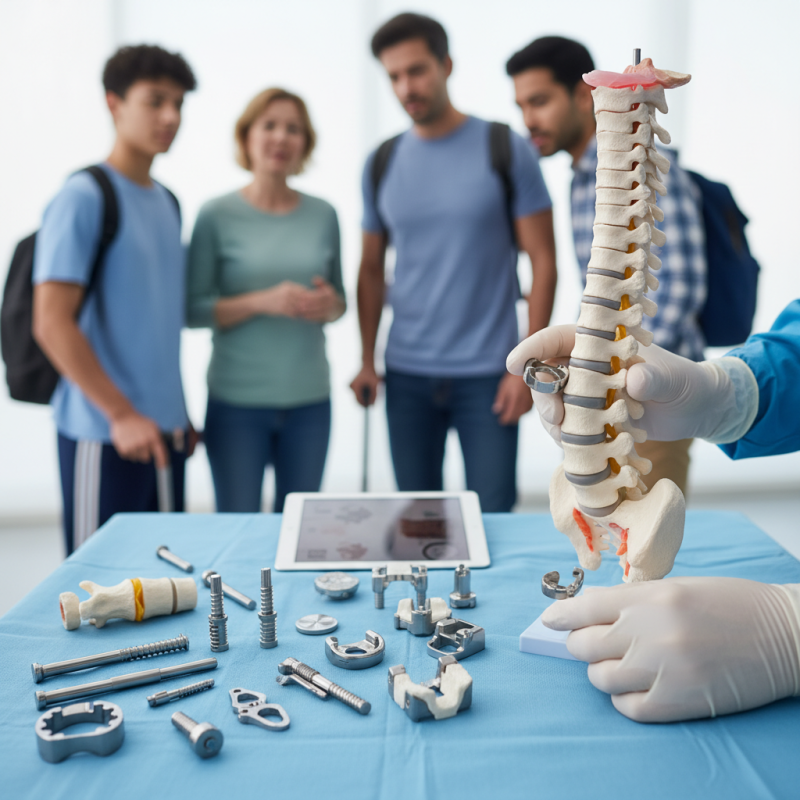
How to Choose the Right Spinal Implants for Your Needs?

Factors to Consider in Selecting Spinal Implants for Your Surgery

Choosing the right spinal implants requires careful consideration of various factors that can significantly impact surgical outcomes. One critical factor is the type of material used in the implants. According to a 2022 study published in the Journal of Spinal Disorders, titanium implants often offer superior mechanical properties compared to other materials. They not only provide strength but also promote better osseointegration, essential for long-term stability.

Another important factor to evaluate is the design of the implant. Studies have shown that lordotic designs can enhance fusion rates. Research from the Spine Journal has indicated a 20% increase in fusion success when using implants designed to maintain natural spinal curvature. It's worth noting that some designs may not fit well with every patient's anatomy, which can lead to complications.

Surgeons must consider patient-specific factors such as age, bone density, and activity level. A report by the American Academy of Orthopaedic Surgeons suggests a tailored approach, as patients with lower bone density may require different implant designs. The balance between innovation and patient safety is critical, and sometimes the latest technology may not be the best choice for everyone. Choices should reflect individual needs rather than a one-size-fits-all mentality.

Different Types of Spinal Implants and Their Specific Uses

When selecting spinal implants, understanding the different types available is crucial. Barron et al. (2021) highlight that there are mainly three categories: rigid, semi-rigid, and flexible implants. Rigid implants include titanium screws and rods. They provide stability, ideal for spinal fusion. On the other hand, semi-rigid implants allow slight movement, supporting natural spinal flexion. These are often used in less invasive surgeries.

Flexible implants, such as dynamic stabilization devices, are gaining popularity. They provide motion preservation, which may reduce the risk of adjacent segment disease. A study published in the Spine Journal noted that around 50% of patients experience adjacent segment degeneration within ten years post-fusion. This statistic emphasizes the importance of choosing the right implant type based on individual needs and conditions.

It’s essential to consider your unique anatomy and lifestyle. For instance, a patient with degenerative disc disease may benefit from a different approach than one with spinal fractures. Collaboration with a skilled spinal surgeon is paramount. They can assess your situation and recommend the most suitable implant. Customization in treatment is key, as a one-size-fits-all solution often falls short. Understanding each implant's specific use is vital for achieving the best outcomes.

How to Choose the Right Spinal Implants for Your Needs?

Implant Type Material Indications Benefits
Pedicle Screw Titanium Spinal stabilization Strong fixation, versatile use
Intervertebral Cage PEEK Disc degeneration Promotes fusion, lightweight
Rod System Stainless Steel Scoliosis correction Corrective alignment, durable
Artificial Disc Metal and Polymer Severe disc pain Preserves motion, reduces nerve pressure
Spinal Plate Titanium Alloy Fractures and trauma Stable fixation, easy to implement

Understanding Biomechanics: How Implants Support Spinal Stability

When selecting spinal implants, understanding biomechanics is crucial for optimal support. Spinal stability relies heavily on the interaction between implants and vertebrae. This interaction directly influences motion and load distribution. Each design choice affects the spine's natural curve and balance, impacting daily activities.

Numerous studies highlight the role of biomechanical properties in implant performance. For instance, stiffness and flexibility must be balanced for effective stabilization. Some implants may not offer adequate support, leading to complications. Patients often overlook how the choice of material affects integration with body tissue. Inappropriate choices can result in pain or implant failure, underscoring the need for careful consideration.

Surgeons recommend a thorough evaluation of implant types based on patient needs and anatomy. Accurate assessment of factors like weight and activity level can guide decisions. Every patient's spine is unique, and a one-size-fits-all approach seldom works. In the end, making informed choices is essential to achieving long-term success in spinal surgery.

Data on Implant Longevity: Expected Lifespan and Performance Metrics

When selecting spinal implants, longevity is a crucial consideration. Various factors influence the lifespan of these implants. Materials used, the procedure performed, and the individual patient’s health all play significant roles. Studies indicate that well-chosen implants can last between 10 to 25 years. However, patient activity levels and adherence to post-operative care can also impact performance.

Tips for assessing implant longevity include reviewing clinical studies and patient testimonials. Look for data on success rates and potential complications. It’s essential to consult with your healthcare provider to understand what aligns with your health goals. A thorough discussion can help clarify expected outcomes and realistic longevity.

Consider the importance of regular follow-ups after implantation. Monitoring your spine's condition can catch issues early. If problems arise, timely intervention can prolong implant life. Always weigh any concerns you have with your doctor. You must ensure that your chosen solution fits your lifestyle and health needs.

Evaluating Patient-Specific Needs for Optimal Implant Selection

Choosing the right spinal implants is crucial for patient outcomes. Each patient's unique anatomy and condition should guide this decision. Studies show that personalized implants can enhance recovery. A precise fit minimizes complications and improves function.

Evaluating specific patient needs involves thorough assessments. Factors such as age, activity level, and health conditions play key roles. For instance, younger patients may benefit from more flexible materials. In contrast, older individuals may require more stability. Research indicates that 30% of patients report dissatisfaction when implants do not match their needs. These insights highlight the importance of tailored approaches.

Surgeons must also consider biomechanical requirements. The alignment of implants dramatically influences mobility and pain levels. A study found that improper alignment can lead to a failure rate of over 25%. Continuous monitoring and feedback from patients help refine implant selection and improve surgical techniques. This dynamic process requires collaboration among healthcare providers to achieve the best results.

FAQS

: What are the main types of spinal implants?

: The three main types are rigid, semi-rigid, and flexible implants.

How do rigid implants function?

Rigid implants, like titanium screws and rods, offer stability for spinal fusion procedures.

What is the use of semi-rigid implants?

Semi-rigid implants allow slight movement, supporting natural spinal flexion in less invasive surgeries.

Why are flexible implants gaining popularity?

Flexible implants preserve motion and may lower the risk of adjacent segment disease.

How long can spinal implants last?

Well-chosen implants may last between 10 to 25 years, but factors vary by patient.

What influences the lifespan of spinal implants?

Materials used, patient health, and activity levels significantly affect implant performance and longevity.

Why is assessing patient-specific needs important?

Each patient's unique condition and anatomy must guide implant selection for better recovery outcomes.

What factors should be evaluated for implant selection?

Age, activity level, and health conditions are crucial in determining the correct implant type.

How can patient feedback impact implant choices?

Continuous monitoring and feedback are vital for refining implant selection and surgical techniques.

What happens if implants do not match patient needs?

A lack of alignment can lead to complications and dissatisfaction, affecting recovery and function.

Conclusion

Choosing the right spinal implants is a critical decision that impacts surgical outcomes and patient recovery. In "How to Choose the Right Spinal Implants for Your Needs?", we explore several essential factors to consider when selecting spinal implants for surgery. These include evaluating the specific characteristics of different types of implants, understanding their biomechanical properties, and their roles in supporting spinal stability.

Additionally, we discuss data on implant longevity, providing insights into expected lifespan and performance metrics, which are vital for patient satisfaction. Ultimately, assessing individual patient needs and conditions is crucial in making optimal implant selections, ensuring that the chosen implants align with the patient's unique anatomy and lifestyle preferences.

Liam

Liam

Liam is a dedicated marketing professional with a profound expertise in the industry, where he excels at highlighting the unique advantages of our core products. With a keen understanding of market trends and consumer needs, Liam frequently updates our company’s professional blog, providing......