Ensuring the effective sterilization of orthopedic instruments is vital in preventing infections during surgeries. Dr. Emily Johnson, a leading expert in surgical sterilization, states, “The integrity of our sterilization processes directly impacts patient safety.” This highlights the critical need for meticulous attention to the methods we employ.
Orthopedic instruments, often intricate and costly, require precise handling. Various techniques must be used to maintain sterilization effectively. These include proper cleaning, packaging, and sterilization methods. Yet, despite best practices, lapses can occur. Surgeons and staff should consistently evaluate their procedures to avoid complacency. Every failure reflects on patient outcomes.
In this multifaceted field, understanding how to maintain sterilization of orthopedic instruments is essential. Regular training and reviews can reinforce best practices. However, awareness of common pitfalls is equally important. This balance of diligence and reflection is key to achieving optimal results in surgical environments.
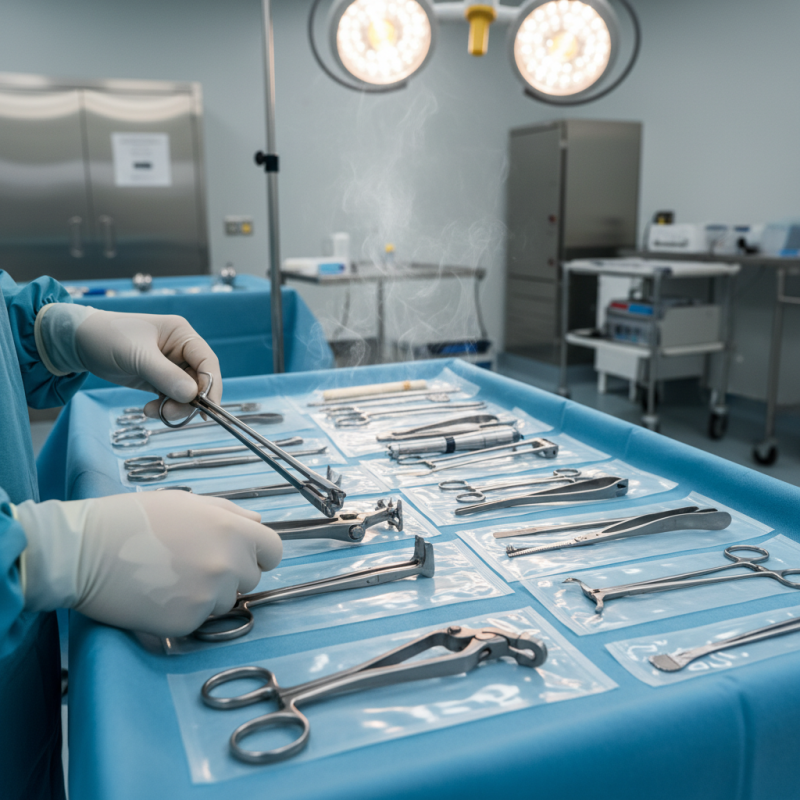
Sterilization in orthopedic instrumentation is critical. The risk of surgical site infections (SSIs) remains a significant concern. According to the Centers for Disease Control and Prevention, approximately 1 in 20 surgical procedures leads to an SSI. In orthopedic surgeries, this risk can increase due to the nature of implants and invasive techniques. Ensuring the highest standards in sterilization is non-negotiable for patient safety.
Effective sterilization protocols involve several key steps. Instruments must undergo thorough cleaning before sterilization. Not all methods guarantee complete sterility. For instance, steam sterilization is the gold standard but may not penetrate all instruments effectively. A study indicated that nearly 10% of orthopedic instruments fail to achieve sterile status after initial processing. This highlights areas needing improvement.
Continuous education on sterilization techniques is vital for staff. Regular audits can help in identifying lapses. Monitoring sterilization cycles ensures that all instruments are validated for sterility. This approach not only enhances reliability but also fosters a culture of accountability among healthcare providers. Even with advancements, the occasional failure underscores the need for consistent vigilance in maintaining sterilization practices.
Orthopedic instruments require precise sterilization to prevent infections. Common methods of sterilization include steam, ethylene oxide, and hydrogen peroxide. Each method has its strengths and weaknesses.
Steam sterilization remains the gold standard. It uses high-pressure saturated steam at 121°C to eliminate microorganisms. According to the Association for the Advancement of Medical Instrumentation (AAMI), steam sterilization achieves a 99.9% reduction of pathogens when done correctly. However, issues arise when packaging materials are inappropriate, leading to ineffective sterilization.
Ethylene oxide sterilization is widely used for heat-sensitive instruments. It operates at lower temperatures but offers extended sterilization times. A study published in the Journal of Orthopedic Research found that ethylene oxide demonstrates a comparable efficacy to steam, achieving a similar microbial reduction. It's crucial to monitor gas levels, as excessive exposure can leave harmful residues. Each method demands rigorous adherence to protocols to ensure success, yet inconsistencies can jeopardize patient safety. Sterilization is an intricate process, requiring constant evaluation and improvement.
Monitoring sterilization parameters is crucial in orthopedic settings. Precise temperature, pressure, and time play significant roles in ensuring instrument safety. Each sterilization cycle must reach appropriate levels to guarantee the elimination of pathogens. A common issue is inconsistent temperature readings. Fluctuations can compromise sterilization outcomes.
Operators should regularly calibrate equipment. Regular checks can identify issues before they affect patient care. Biological indicators also provide critical feedback. These tests confirm whether sterilization was successful and should be conducted routinely. However, human error is always a risk. It’s vital to establish strict protocols and perform routine training for staff.
Tracking these parameters requires continuous attention. Digital logs can aid in monitoring and provide a clear history of each cycle. Yet, reliance on technology can lead to complacency. Regular manual checks should never be overlooked. Maintaining sterilization isn’t just about equipment; it’s about a culture of safety and diligence in the healthcare environment.
| Parameter | Ideal Range | Monitoring Frequency | Common Issues |
|---|---|---|---|
| Temperature | 121°C - 134°C | Daily | Inconsistent readings, equipment malfunction |
| Pressure | 15 - 30 psi | Daily | Low or fluctuating pressure |
| Exposure Time | 15 - 30 minutes | Each cycle | Underexposure, overexposure |
| Steam Quality | Saturated steam | Monthly | Presence of water or air pockets |
| Biological Indicators | Negative result | Weekly | Positive results indicating contamination |
Proper storage and handling of sterilized orthopedic instruments are crucial for maintaining their efficacy. According to the CDC, nearly 1 in 25 hospital patients develops an infection. Therefore, strict adherence to best practices is essential. Sterilized instruments must be stored in clean, dry environments. Humidity control helps prevent microbial growth.
To enhance safety, use transparent containers to allow easy monitoring of instruments. Wrap instruments in sterile drapes or pouches. Remember to label storage areas clearly. This practice prevents confusion and cross-contamination. Regular checks for packaging integrity can catch issues early.
Tips: Regularly train staff on proper handling techniques. Ensure they understand the significance of maintaining sterility. Keep an audit trail for sterilization and storage logs. This creates accountability and aids in maintaining standards. Reflection is necessary. Conduct frequent reviews of procedures to identify gaps in protocols. Continual improvements can enhance patient care significantly.
Regulatory standards play a crucial role in ensuring the effective sterilization of orthopedic instruments. In the United States, the FDA outlines specific guidelines that sterilization processes must meet. According to a report by the Association for the Advancement of Medical Instrumentation (AAMI), more than 50% of sterilization failures result from improper handling and insufficient validation of processes. This highlights the need for compliance with established protocols.
Compliance extends beyond simply following guidelines. It requires continuous training of staff involved in the sterilization process. A study published in the Journal of Hospital Infection indicated that up to 30% of healthcare workers lacked knowledge of current sterilization practices. This gap can lead to increased risks of surgical site infections, impacting patient safety and care quality.
Further, facilities must maintain rigorous monitoring and documentation. Equipment must undergo regular maintenance according to manufacturer specifications. Data from the World Health Organization (WHO) suggests that adhering to a strict maintenance schedule can reduce equipment malfunction by 20%. Without such diligence, even well-designed systems can fail, leading to critical lapses in sterilization effectiveness. Failure to reflect on these aspects can result in serious repercussions for patient outcomes.
: Monitoring ensures instrument safety and eliminates pathogens. Consistent temperature, pressure, and time are essential.
Inconsistent temperature readings can compromise results. Regular calibration of equipment helps mitigate this risk.
They confirm if sterilization was successful. Routine testing is necessary for reliable feedback.
Human error can undermine safety. Strict protocols and regular training are critical for staff.
Continuous monitoring helps identify issues early. Digital logs provide a clear history of cycles.
Regular manual checks are essential. Complacency can lead to critical oversights in sterilization.
Compliance ensures effective processes. Non-compliance can lead to increased risks of surgical infections.
Continuous training updates staff on best practices. It reduces the knowledge gap and enhances patient safety.
Regular maintenance can reduce malfunction risks. Ignoring this can lead to significant sterilization lapses.
It can result in serious repercussions for patient care. Diligence is key to maintaining sterilization effectiveness.
Maintaining the sterilization of orthopedic instruments is crucial for preventing infections and ensuring patient safety during surgical procedures. To effectively achieve this, it is essential to understand the importance of sterilization, which not only protects patients but also enhances the overall success of orthopedic interventions. Common methods of sterilization, such as steam, chemical, and gas sterilization, offer varying degrees of efficacy, and it is vital to monitor key parameters like temperature, pressure, and exposure time to ensure successful sterilization outcomes.
Furthermore, best practices in the storage and handling of sterilized instruments are necessary to maintain their sterility until use. Compliance with regulatory standards helps healthcare facilities uphold high-quality sterilization processes, ultimately contributing to the safety and effectiveness of orthopedic surgeries. Thus, knowing how to maintain sterilization of orthopedic instruments involves a comprehensive approach that combines method selection, monitoring, storage, and adherence to regulations.

Clerivida Medical