How to Efficiently Use Orthopedic Drills and Saws for Surgery?

Time:2026-05-25 Author:Oliver
0%

In the field of orthopedic surgery, precision is paramount. Surgeons often rely on orthopedic drills and saws to perform intricate procedures. However, many face challenges in mastering these tools. Understanding how to use orthopedic drills and saws efficiently is crucial for optimal outcomes.

Surgeons must familiarize themselves with various equipment. Each drill or saw has unique characteristics, requiring different handling techniques. Improper use can lead to complications, affecting patient safety. Training is essential, yet many practitioners feel insufficiently prepared. They often reflect on missed opportunities to enhance their skills.

Ultimately, effective use of these surgical tools combines knowledge and practice. Surgeons must continually seek to improve. Failing to do so may hinder their ability to provide the best care. Recognizing this necessity can inspire commitment to ongoing learning and adaptation.
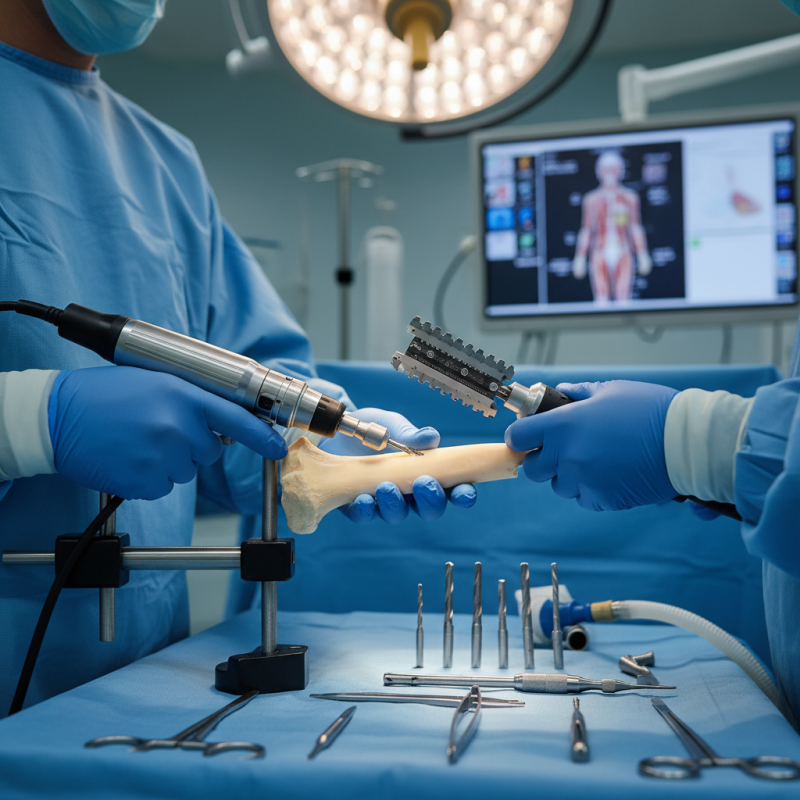
How to Efficiently Use Orthopedic Drills and Saws for Surgery?

Overview of Orthopedic Drills and Saws in Surgical Procedures

Orthopedic drills and saws are essential tools in modern surgical procedures. They enable precision in cutting and shaping bone, minimizing damage to surrounding tissue. According to a recent study published in the "Journal of Orthopedic Research," using high-quality drills can enhance surgical outcomes by reducing operation time by up to 20%. Accurate instrumentation is crucial for patient recovery.

Despite advancements, the use of these tools carries risks. Surgeons must continuously refine their techniques to prevent complications. Peer-reviewed research indicates that about 5-10% of orthopedic surgeries face instrument-related issues. Continuous education and training are vital for surgeons to stay updated. Every procedure serves as a lesson for improving safety protocols.

Proper maintenance of drills and saws is paramount. Dirty or malfunctioning tools can lead to increased infection rates and surgical delays. In fact, the "American Journal of Surgery" highlights that unclean instruments contribute to a 15% rise in post-operative infections. Regular checks and sterilization routines ensure reliability. This aspect is often overlooked, yet it plays a significant role in patient outcomes.

Types of Orthopedic Drills and Saws Used in Surgery

Orthopedic drills and saws are essential tools in surgery. Understanding their types is crucial for effective use. Drills generally fall into two categories: battery-powered and pneumatic. Battery-powered drills offer convenience and portability, making them ideal for a variety of procedures. Pneumatic drills, however, provide superior power, which is essential for dense bone structures. Both types require careful handling and regular maintenance to ensure optimal performance.

Saws used in orthopedic surgery include oscillating saws and reciprocating saws. Oscillating saws allow for precise cuts and are often used in joint replacements. They can reduce damage to surrounding tissues. Reciprocating saws, in contrast, have a back-and-forth motion that excels at cutting through tough materials. Each saw has its advantages, yet they can also pose risks if not used correctly. Surgeons must be attentive and take time to practice proper techniques.

Training is vital for mastering these tools. Even experienced surgeons need to revisit their techniques occasionally. Mistakes can happen, particularly under pressure. Being aware of the specific characteristics of each drill and saw can enhance safety and efficiency. Knowledge and practice help mitigate risks and improve patient outcomes.

Preparation and Setup for Using Orthopedic Drills and Saws

Preparation is crucial when using orthopedic drills and saws in surgery. Start by gathering all necessary tools and equipment. Ensure your work area is clean and organized. This helps prevent contamination and promotes efficiency. Familiarize yourself with the specific drill and saw model before surgery. Knowing the equipment will enhance your confidence and speed during the procedure.

Check the drill and saw for functionality. Inspect battery levels, cords, and blades. Ensure everything is sterile, including your instruments. Sometimes, unexpected issues arise. For instance, a drill may overheat or a saw could bind. Have backup instruments ready to mitigate delays. This preparation can be the difference between a smooth operation and a stressful one.

Communication among the surgical team is key. Discuss the surgical plan and roles beforehand. This coordination can help manage unforeseen challenges. Surgical setups often require adjustments. Being open to feedback helps refine the process. Reviewing each step can foster improvement in future procedures. Such adaptability is essential in orthopedic surgery, where precision is vital.

Techniques for Safe and Efficient Operation of Surgical Tools

Orthopedic surgery relies heavily on precision tools like drills and saws. Operating these tools safely requires technique and experience. One essential practice is maintaining a steady hand and focused gaze. Surgeons should avoid distractions to ensure accuracy during critical moments. Each movement should be deliberate, minimizing the risk of errors.

To enhance safety, proper tool maintenance is crucial. Regularly check the sharpness and condition of blades. Dull instruments can lead to complications. Keep a clean workspace to prevent contamination. Understanding the anatomy of the area being treated is vital. Surgeons must adapt their techniques based on the patient's unique structure.

Learning from past surgeries is essential for improvement. Each operation offers valuable insights. Reflection on what went well or poorly can guide future practices. It’s okay to face challenges; they often lead to better techniques. Remember, surgical tools are powerful, but they require respect and caution. Through experience and ongoing education, surgeons can master the art of using orthopedic tools effectively.

Post-Operative Care and Maintenance of Orthopedic Drills and Saws

Proper care and maintenance of orthopedic drills and saws is essential for their longevity and performance. After surgery, it's crucial to clean the tools thoroughly. Blood, bone fragments, and other tissues can compromise their functionality. Use distilled water and gentle detergents to clean the surfaces. Avoid harsh chemicals that could damage the equipment.


After cleaning, inspect each tool for signs of wear or damage. Check the blades and tips for sharpness and integrity. A dull or damaged blade can lead to complications during surgery. Regular maintenance can prevent costly replacements and ensure patient safety. Store tools in a dry environment to prevent corrosion, using protective cases where applicable.


Documentation of maintenance activities is also important. Keep a log of inspections, repairs, and any issues encountered. This practice not only helps in tracking the tools' condition but also aids in identifying patterns in wear and tear. Reflecting on these records can provide insights into improving tool usage during surgeries. Effective maintenance is not only about routine checks; it’s a commitment to quality care.

FAQS

: Why are orthopedic drills and saws important in surgeries?

: They allow precision in cutting bone, reducing tissue damage.

What impact do high-quality drills have on surgical outcomes?

They can shorten operation time by up to 20%, improving results.

What risks are associated with using these surgical tools?

About 5-10% of surgeries may experience instrument-related issues.

How can surgeons minimize complications when using drills and saws?

Continuous education and practice are vital for refining techniques.

Why is maintenance important for orthopedic surgical tools?

Dirty or faulty tools can increase infection rates and surgical delays.

What cleaning methods should be used for surgical tools?

Clean with distilled water and mild soaps, avoiding harsh chemicals.

How can unforeseen issues during surgery be managed?

Have backup instruments ready and maintain open communication in the team.

What should be done after cleaning drills and saws?

Inspect each tool for wear and sharpness to ensure safety.

Why document maintenance activities of surgical tools?

It helps track their condition and identify patterns in wear and tear.

Can the preparation phase impact the surgical outcome?

Yes, organized and thorough preparation can prevent delays and improve results.

Conclusion

The article "How to Efficiently Use Orthopedic Drills and Saws for Surgery" provides a comprehensive guide on the critical tools utilized in orthopedic surgical procedures. It begins with an overview of the essential role these tools play and categorizes the various types available, highlighting their specific applications. The article emphasizes the importance of thorough preparation and setup, ensuring that surgical instruments are ready for optimal performance.

Moreover, it outlines techniques for the safe and efficient operation of orthopedic drills and saws, which are crucial for minimizing risks during surgery. Finally, the discussion extends to post-operative care and maintenance practices that prolong the lifespan and effectiveness of these surgical tools. With this information, surgeons can learn how to use orthopedic drills and saws efficiently, enhancing surgical outcomes and ensuring patient safety.

Oliver

Oliver

Oliver is a seasoned marketing professional with a wealth of expertise in driving brand awareness and engagement. With a deep understanding of our company's product offerings, he consistently delivers high-quality content that enriches our professional blog. His insights not only shed light on......