In recent years, the significance of patient-specific implants in healthcare has gained attention. Experts agree on their value in enhancing surgical outcomes. Dr. Emily Turner, a renowned orthopedic surgeon, states, "Patient-specific implants can dramatically improve recovery and performance for each individual." This highlights why patient-specific implants are important.
These implants are tailored to fit the unique anatomy of each patient. This customization leads to better alignment and function. Traditional implants often result in complications and prolonged recovery. Customized options offer a solution, addressing these concerns directly. Yet, some may question the cost and production time of these implants.
Patient-specific implants not only improve surgical precision but also patient satisfaction. They promote faster healing and reduce the need for revisions. However, challenges remain, such as the need for advanced technology and skilled professionals. Balancing these elements is crucial for the future of personalized medicine. Understanding why patient-specific implants are important drives innovation in healthcare.
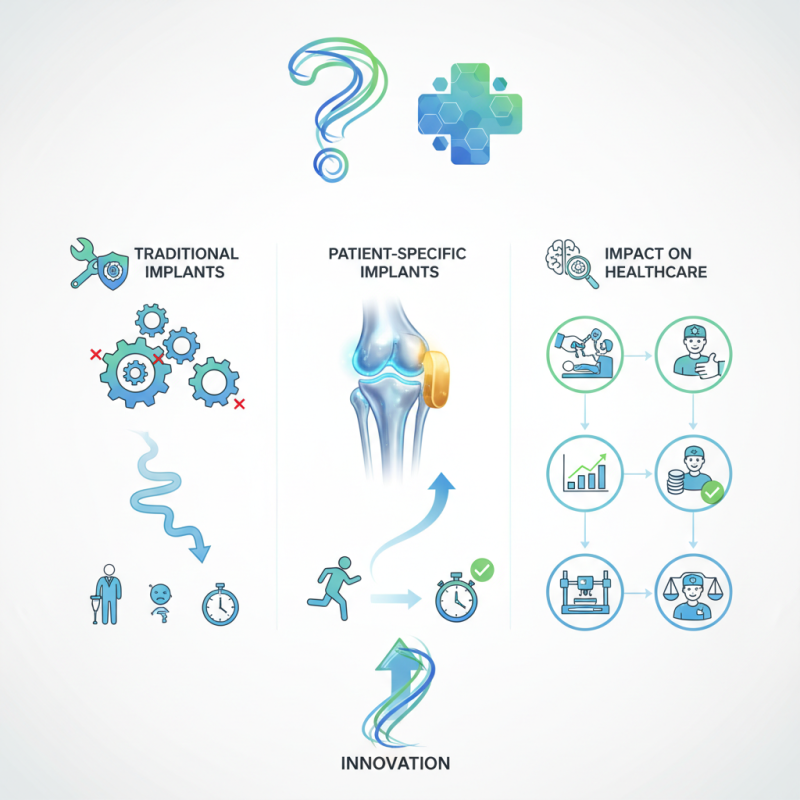
Patient specific implants represent a significant advancement in personalized medicine. These implants are designed to fit the unique anatomy of each patient. This tailored approach enhances surgical outcomes and improves recovery times. Surgeons can achieve a higher degree of precision, which in turn minimizes complications. The technology behind these implants is complex, yet crucial in today’s healthcare landscape.
The development of patient specific implants allows for better compatibility with the human body. These implants can be designed using advanced imaging techniques. Collecting data from CT or MRI scans, healthcare professionals create models that reflect the patient’s unique structure. This level of customization can reduce the risk of rejection. Not all patients respond the same way to traditional implants, which can lead to further issues. Creating an implant that matches a patient’s specific needs is not only innovative but also essential for a successful outcome.
While the advantages are clear, there are also challenges. The process of creating patient specific implants can be time-consuming. It requires a multi-disciplinary team, which can strain resources. Additionally, there’s still a knowledge gap in some medical communities about these advanced options. As technology evolves, ongoing education for healthcare providers becomes vital. Understanding the potential and limitations can directly impact patient care. Investing in further research will enhance the effectiveness of these personalized solutions.
The custom medical implants market is rapidly expanding. Recent statistics reveal a significant growth rate in personalized solutions for patients. This trend highlights the need for individualized approaches in healthcare. Such implants cater to the unique anatomy of each patient, ensuring better fit and function. Doctors can enhance surgical outcomes significantly with these tailored solutions.
When considering custom implants, healthcare providers should evaluate patient data thoroughly. Understanding specific needs is crucial. Collaborating with experienced engineers can also bridge the gap between medicine and technology. This collaboration can lead to innovations that address complex health issues.
A few tips to enhance the implementation of custom implants include investing in advanced imaging technologies. They help design precise models. Continuous education on the latest advancements is vital for healthcare professionals. Keep an open mind and adjust practices accordingly. Embracing feedback from patients is key. Listening to their experiences can facilitate improvements in future designs.
Patient-specific implants significantly influence surgical outcomes and recovery processes. These customized solutions are tailored to individual anatomy, enhancing fit and function. Research indicates that using custom implants can lead to a more than 30% reduction in surgical complications. Surgeries involving these implants often report improved biomechanical performance, translating to better long-term patient satisfaction.
The recovery journey is also positively affected. Studies show that patients with custom implants experience up to 25% faster recovery times. Reduced pain and discomfort are commonly reported, allowing individuals to return to daily activities sooner. However, not all cases see these outcomes. Surgical skill and proper planning still play crucial roles. There are instances where misalignment can occur, leading to complications that contradict the intended benefits of custom implants.
Moreover, the initial cost of custom implants can be higher than standard options. Some healthcare facilities may hesitate, fearing the financial burden. Yet, considering the potential for lower complication rates, the long-term savings become evident. Continuous data collection and analysis are needed to reinforce these findings. These mixed outcomes highlight the complexity of integrating custom implants into standard practice.
Patient specific implants (PSIs) are revolutionizing healthcare delivery. Their cost-effectiveness is becoming increasingly evident as healthcare systems strive to optimize resource allocation. A study by the Journal of Healthcare Management indicated that tailored implants could reduce surgery time by 25%. This translates into lower hospital costs and increased efficiency.
The initial investment in PSIs may seem high, yet the long-term savings are significant. When considering post-operative complications, which can cost hospitals millions, personalized implants can minimize these risks. Data shows that PSIs decreased complication rates by up to 30% in orthopedic surgeries. This reduction helps in reallocating funds to other patient care areas, enhancing overall healthcare delivery.
Tip: Collaborate with providers who have experience in custom devices. Their insights can help make informed decisions.
Aligning patient needs with PSIs can drive further innovation. Not every case will benefit from this approach, though. Some facilities may not have the resources to adopt this technology. A thorough cost-benefit analysis is essential.
Tip: Regularly review patient outcomes related to PSIs. Continuous evaluation provides feedback essential for future improvements.
Healthcare providers should weigh the costs against the benefits. Each decision impacts patient care quality and system efficiency. Striving for patient-specific solutions is a step towards more effective healthcare.
Manufacturing patient-specific implants presents unique regulatory challenges. Each implant must meet strict guidelines to ensure safety and efficacy. Manufacturers often struggle to navigate these complex regulations. Compliance is crucial, yet the evolving nature of healthcare technology complicates the process.
Tips: Stay updated on regulatory changes. Engage with industry experts to understand best practices. Develop a compliance checklist tailored to your specific needs.
Additionally, each implant requires precise data about the patient’s anatomy. This means that the design and manufacturing process must be highly customized. However, the lack of standardized protocols can lead to inconsistencies. This inconsistency may affect the final product's performance and patient satisfaction.
Tips: Foster collaboration among engineers, healthcare professionals, and regulatory bodies. Regularly review past implant cases to identify areas for improvement. Establish a feedback loop for continuous enhancement.
Regulatory bodies emphasize the importance of tracking the implant’s performance post-surgery. However, this can be difficult due to limited data collection methods. Tracking can reveal potential issues and guide future designs. Every challenge presents an opportunity for growth in this dynamic field.
: Patient-specific implants are designed to fit the unique anatomy of each patient, enhancing surgical outcomes.
Studies show patients with these implants experience up to 25% faster recovery, leading to quicker return to daily activities.
Custom implants can reduce surgical complications by over 30%, providing better long-term patient satisfaction and performance.
The creation process can be time-consuming and requires a multi-disciplinary team, which can strain resources.
While initial costs may be high, the long-term savings from reduced complications can outweigh these expenses.
Understanding the potential and limitations of patient-specific implants helps improve patient care and surgical outcomes.
Proper planning and surgical skill are essential; misalignment can lead to complications that negate the benefits of custom implants.
Regular reviews of patient outcomes and cost-benefit analyses are vital for informed decision-making and improvements.
Not every case benefits from custom implants; some patients may still respond better to traditional implants.
They help optimize resource allocation, increase efficiency, and drive innovations in surgical practices.
Patient-specific implants are revolutionizing healthcare by enhancing personalized medicine, which is crucial for tailoring treatment to individual patient needs. These custom implants have shown significant statistical growth in the healthcare market, indicating a rising demand for personalized solutions that improve surgical outcomes and promote faster recovery. By allowing for precise fits and optimized functionality, patient-specific implants can lead to improved patient satisfaction and a reduction in complications.
Moreover, the cost-effectiveness of these implants presents a compelling argument for their integration into healthcare delivery systems. While there are regulatory considerations and challenges in the manufacturing process, addressing these concerns is vital for ensuring the safety and efficacy of custom implants. Overall, understanding "why patient-specific implants are important" highlights their role in transforming surgical practices and enhancing patient care through innovation and personalization.
Clerivida Medical