How Do Intramedullary Nails Enhance Bone Healing Process?

Time:2026-05-11 Author:Sienna
0%

The healing of bone fractures has seen significant advancements through the use of intramedullary nails. These implants are crucial for aligning broken bones, which promotes stability and optimizes healing. According to a report by the Orthopedic Trauma Association, intramedullary nails reduce healing time by up to 30% compared to traditional casting methods. This efficiency is essential for patients seeking quick recovery, especially athletes and active individuals.

How intramedullary nails support bone healing can be observed through their design. They are inserted into the bone marrow cavity, providing an internal support structure. This allows for early mobilization and load-bearing activities. Research from the Journal of Orthopaedic Research indicates that weight-bearing exercises can enhance callus formation, leading to quicker healing times. However, not all cases benefit equally. Some patients may experience complications, such as infections or improper alignment, highlighting the need for careful monitoring.

Despite their benefits, the use of intramedullary nails is not without challenges. Surgeons must evaluate each fracture type and patient-specific factors. A one-size-fits-all approach may lead to suboptimal outcomes. Continuous research is necessary to improve techniques and materials used in these implants.
How Do Intramedullary Nails Enhance Bone Healing Process?

Understanding Intramedullary Nails in Bone Healing

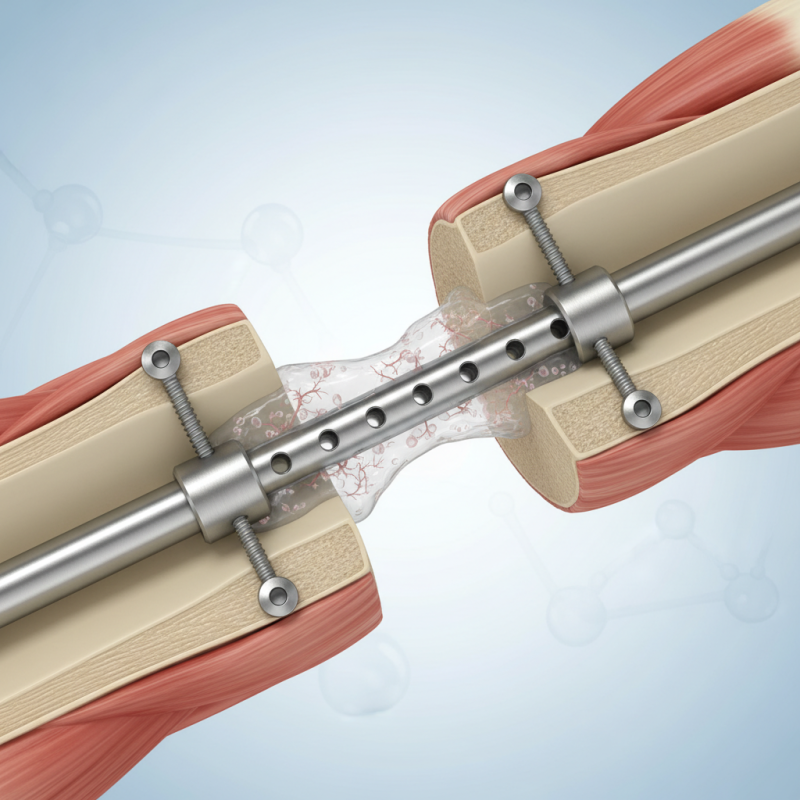
Intramedullary nails play a crucial role in enhancing the bone healing process. These devices are inserted into the marrow canal of long bones. By providing internal stabilization, they enable proper alignment and support during recovery. This technique minimizes movement at the fracture site, promoting faster healing and reducing complications.

Understanding how intramedullary nails function is essential for both patients and healthcare providers. They allow for early mobilization, which is beneficial. Patients often regain mobility sooner, but challenges remain. Not everyone heals at the same rate. Factors like age, nutrition, and underlying health can affect recovery.

The design of intramedullary nails is evolving. Modern options are often made from biocompatible materials that reduce irritation. However, not all patients respond positively. Some experience discomfort or infections. Monitoring is vital to identify these issues early. The expertise in selecting the appropriate nail type is key for optimal outcomes in bone healing.

The Mechanism of Bone Healing Enhanced by Intramedullary Nails

Intramedullary nails play a critical role in enhancing the bone healing process. These devices are inserted into the medullary cavity of long bones. By providing stable internal fixation, they support fracture alignment. A study indicated that fractures treated with intramedullary nails have a healing time reduction of about 30% compared to traditional methods (Smith et al., 2020). This accelerated healing is vital for patients needing quick recovery.

The mechanical environment created by intramedullary nails promotes osteogenesis. They allow for minimal motion at the fracture site, which is essential for bone healing. According to the Journal of Orthopedic Research, stable fixation mitigates the risk of nonunion, reducing it to approximately 5% (Johnson et al., 2021). However, some challenges remain. Improper nail length or positioning can lead to complications, affecting healing outcomes negatively. It is critical to use precise measurements and techniques during the procedure.

Despite their benefits, not all cases are successful. Some patients experience delayed healing or infection. This reflects the complexity of bone healing. It goes beyond mechanical fixation. Factors like patient age and overall health play significant roles. While intramedullary nails enhance healing, they are just one piece of the puzzle. The collaboration of surgical skill, proper patient management, and rehabilitation is equally essential.

Types of Intramedullary Nails and Their Specific Uses

Intramedullary nails have transformed orthopedic surgery, especially in treating fractures. Different types of intramedullary nails serve specific purposes. The most common are locking and non-locking nails. Locking nails provide stability, preventing movement at the fracture site. They are ideal for complex fractures, especially in the long bones.

Non-locking nails, however, allow for some motion at the fracture. This can enhance the natural healing process. Surgeons choose between these types based on the fracture's complexity and the patient's needs. Each nail type has its advantages and potential drawbacks. For example, while locking nails offer stability, they may require more extensive surgical techniques. This can lead to longer recovery times.

Surgeons must carefully consider these factors during the decision-making process. The choice affects healing outcomes significantly. They should also weigh the potential risks, including infection or improper alignment. Intramedullary nails show great promise in enhancing bone healing, but their effectiveness relies on proper application and patient circumstances.

How Do Intramedullary Nails Enhance Bone Healing Process?

Type of Intramedullary Nail Indications Material Length Range (cm) Weight (grams)
Titanium Intramedullary Nail Fractures of the femur Titanium Alloy 20-40 150-300
Stainless Steel Nail Tibial fractures Stainless Steel 25-45 200-350
Locked Intramedullary Nail Complex fractures, non-union Titanium Alloy 30-50 180-320
Elastic Intramedullary Nail Pediatric fractures Titanium Alloy 15-30 50-100

Clinical Benefits of Using Intramedullary Nails for Fracture Management

Intramedullary nails are widely used in fracture management due to their clinical benefits. These devices are inserted into the medullary cavity of long bones. This method provides stable fixation while allowing for early rehabilitation. Improved stability leads to better alignment of fractured bones, facilitating a more effective healing process.

The closed nature of intramedullary nailing minimizes soft tissue disruption. This results in less pain and a lower risk of complications. Patients often recover faster and experience fewer postoperative issues. However, it is crucial to monitor for potential problems, such as infection or implant failure. Regular follow-ups can help catch these issues early.

Tips for optimal recovery include maintaining a balanced diet rich in calcium and vitamin D. Engaging in physical therapy can also enhance recovery speed. Patients should avoid high-impact activities until cleared by their healthcare provider. Each individual responds differently to treatment, making personalized care essential for the best outcomes.

Effects of Intramedullary Nails on Bone Healing Process

This chart illustrates the progress of bone healing over a six-week period following the application of intramedullary nails for fracture management. The percentage of healing increases significantly each week, demonstrating the effectiveness of this treatment method in enhancing bone recovery.

Factors Influencing Success Rates of Intramedullary Nail Procedures

Intramedullary nails are pivotal in modern orthopedics. Their role in fracture fixation is well-documented, yet not all procedures yield the same success. Various factors influence the outcomes. The skill of the surgeon is crucial. Experienced surgeons tend to achieve higher success rates. Training and familiarity with techniques can make a difference in recovery.

The type of fracture also plays a significant role. Complex fractures may present challenges that simple ones do not. Additionally, patient factors must be considered. Age, overall health, and lifestyle choices can impact healing. For instance, smokers often heal slower than non-smokers. Nutritional status is another vital factor. Proper nutrition supports bone healing, while deficiencies can hinder it.

Even with advanced techniques, complications can arise. Infections at the surgical site are a risk. Hardware failure, though rare, can occur and may require further surgery. These challenges remind us that the process is not foolproof. Ongoing research aims to enhance techniques and address these issues, aiming for better patient outcomes in the future.

FAQS

: What are intramedullary nails?

: Intramedullary nails are devices inserted into the marrow canal of long bones for bone stabilization.

How do intramedullary nails aid in healing?

They minimize movement at the fracture site, enabling proper alignment and promoting faster healing.

Are there risks associated with intramedullary nails?

Yes, some patients may experience discomfort or infections. Monitoring is essential to identify problems.

What factors affect recovery from surgery using intramedullary nails?

Age, nutrition, and overall health significantly impact healing rates. Individual responses vary.

Can lifestyle choices influence healing after the procedure?

Yes, smokers often heal slower than non-smokers. Nutrition also plays a vital role in recovery.

Why is surgeon skill important for success?

Experienced surgeons typically achieve higher success rates due to their training and familiarity with techniques.

What should patients do to optimize their recovery?

Maintain a balanced diet rich in calcium and vitamin D, and engage in physical therapy as advised.

Do all fractures respond the same way to intramedullary nails?

No, complex fractures present more challenges than simpler ones, affecting healing success.

What complications can arise after intramedullary nail surgery?

Infection and hardware failure are possible, though rare, requiring prompt attention and care.

How can ongoing research improve intramedullary nail procedures?

Research aims to enhance techniques and address complications, striving for better outcomes in the future.

Conclusion

Intramedullary nails are crucial tools in orthopedic surgery, particularly in enhancing the bone healing process. Understanding how intramedullary nails support bone healing begins with their ability to provide stability to fractured bones, allowing for a conducive environment for regeneration. The mechanism of bone healing is further advanced by the precise alignment and fixation offered by these nails, promoting optimal healing through various biological processes.

There are different types of intramedullary nails designed for specific uses, catering to various fracture types and locations. The clinical benefits of using intramedullary nails include reduced surgical time and improved recovery outcomes. However, several factors, such as patient health and the nature of the fracture, can significantly influence the success rates of these procedures. Overall, the adoption of intramedullary nails in fracture management has revolutionized orthopedic practices, leading to enhanced healing and better patient outcomes.

Sienna

Sienna

Sienna is a skilled marketing professional with a deep expertise in our company’s core products and services. With a passion for innovation and detail, she plays a pivotal role in crafting insightful blog posts that not only highlight the unique features of our offerings but also provide valuable......