Infection prevention in implant surgeries is crucial for successful outcomes. Patients often worry about complications that can arise during recovery. Understanding how to prevent infections in implant surgeries can alleviate these concerns. Many factors contribute to the risk of infection, including the surgical environment and post-operative care.
Healthcare professionals emphasize the importance of maintaining a sterile environment. This involves proper cleaning and sterilization of instruments. Additionally, patients must follow specific pre-operative guidelines to minimize risks. The role of patient education cannot be overlooked. Knowledge about wound care and hygiene plays a significant role in recovery.
Sometimes, despite the best efforts, infections may still occur. This highlights the need for constant vigilance and good practices. Regular follow-ups with healthcare providers can help detect issues early. A proactive approach encourages patients to address any unusual symptoms swiftly. Ultimately, combining expert advice with meticulous care is essential in safeguarding implant surgeries against infections.
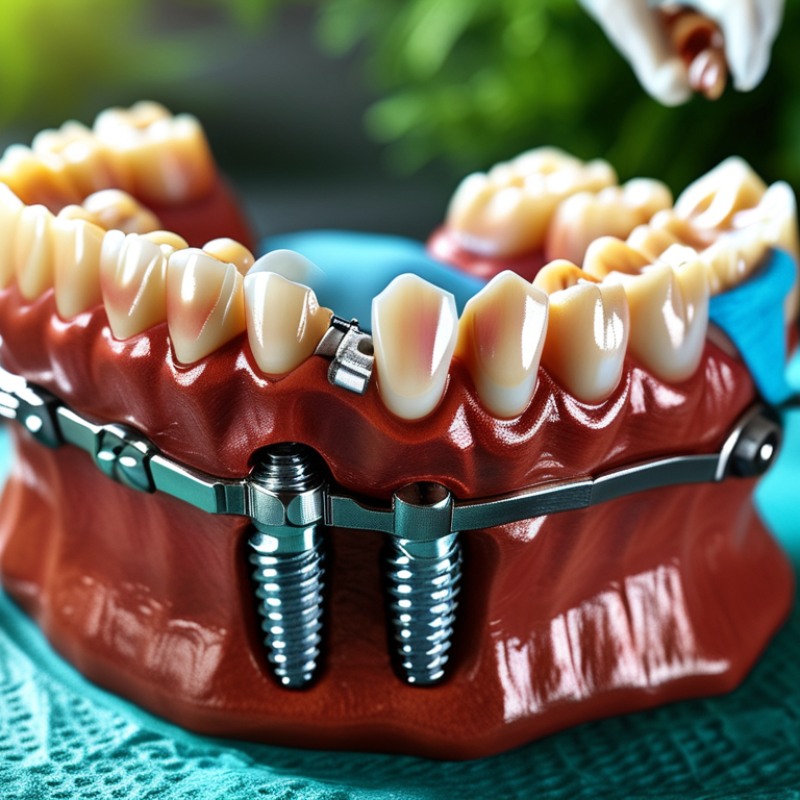
Infection prevention in implant surgeries is crucial for patient safety. Studies estimate that infection rates range from 1% to 5% in various surgical procedures. These infections can lead to severe complications, prolonging recovery and increasing healthcare costs. Data shows that infected implants often require additional surgeries, with up to 60% resulting in implant failure. This highlights the need for stringent infection control measures during the surgical process.
Proper sterilization techniques play a vital role in reducing infection risks. Surgical instruments must undergo thorough sterilization to eliminate potential pathogens. A report from the American Journal of Infection Control indicates that using sterile gloves and drapes reduces infection rates significantly. Additionally, maintaining a sterile environment in the operating room is essential. However, human error still poses challenges, as studies reveal that a lack of adherence to protocols can happen.
Patient education also influences infection prevention. Informed patients are more likely to follow post-operative care instructions. Nevertheless, some studies show that compliance with these guidelines is often suboptimal. Factors like misunderstanding medical language can hinder patients' ability to engage in their recovery. Professionals must recognize these communication gaps and address them effectively. This interplay of knowledge, environmental factors, and patient responsibility shapes infection prevention strategies in implant surgeries.
| Tip | Description | Importance |
|---|---|---|
| 1. Preoperative Assessment | Evaluate patient's health and potential risks. | Identifies underlying conditions that may increase infection risk. |
| 2. Sterile Environment | Ensure that the surgical area is sterile. | Reduces the likelihood of introducing bacteria during surgery. |
| 3. Antibiotic Prophylaxis | Administer antibiotics before surgery. | Helps prevent potential infections immediately post-surgery. |
| 4. Proper Hand Hygiene | Strict hygiene protocols for all staff involved. | Minimizes transfer of pathogens from hands to surgical sites. |
| 5. Surgical Technique | Utilize minimally invasive techniques where possible. | Lowers the risk of infection by reducing tissue damage. |
| 6. Postoperative Care | Provide clear instructions for care of the implant site. | Encourages healing and minimizes infection risks. |
| 7. Regular Follow-Up | Schedule follow-up appointments to monitor healing. | Early detection of infection can lead to timely interventions. |
| 8. Avoid Smoking | Discourage smoking before and after surgery. | Smoking reduces blood flow and impairs healing. |
| 9. Nutrition Management | Ensure adequate nutrition leading up to surgery. | Good nutrition supports immune function and healing. |
| 10. Educate Patients | Inform patients about signs of infection. | Empowers patients to recognize and report issues early. |
: Antibiotic prophylaxis helps prevent infections during surgeries. It can lower the risk of complications after implant procedures.
Patients with a history of infections or compromised immune systems may require careful consideration for antibiotic use.
Some patients may think they can skip antibiotics, which can lead to higher infection rates after surgery.
Ideally, antibiotics should be given within one hour before the surgical incision to ensure proper protection.
Following specific post-operative care guidelines can reduce the risk of infections and enhance healing outcomes significantly.
Patients should brush gently twice a day and use antibacterial mouthwash to prevent bacteria around the implant site.
Smoking can impair healing and increase the risk of infections, making smokers more vulnerable after implant surgery.
Regular check-ups allow for monitoring healing and timely intervention if any issues arise during recovery.
Patients should look for redness, swelling, increased pain, or a slight temperature rise at the surgical site.
Proactive monitoring and reflecting on recovery can help ease fears. Staying informed supports a healthier healing journey.
Infections can significantly complicate implant surgeries, making it essential to understand how to prevent infections in implant surgeries. Key measures include thorough sterilization of the surgical site to eliminate potential contaminants and implementing proper antibiotic prophylaxis when necessary to reduce the risk of postoperative infections.
Additionally, clear post-operative care guidelines should be given to patients, emphasizing the importance of hygiene and monitoring for any signs of infection. Early detection of complications can prevent more severe issues, so educating patients on what to look for after the surgery is crucial. By following these best practices, both healthcare providers and patients can work together to enhance outcomes and minimize the risk of infection during the recovery process.

 Clerivida Medical