How to Safely Choose Hip Replacement Implants in 2026?

Time:2026-09-15 Author:Isabella
0%

Choosing a hip implant in 2026 requires more than comparing prices, materials, or manufacturer claims. The real question is: How to choose hip replacement implants safely when every patient has different anatomy, activity levels, and medical risks? A successful decision should connect clinical evidence with your bone quality, age, movement goals, and surgeon’s experience.

Large registries provide useful guidance. The American Joint Replacement Registry’s 2024 Annual Report tracks implant use, revisions, and survivorship across participating hospitals and surgeons. These data can reveal meaningful performance patterns, but registry coverage is not universal. That limitation matters. A device with strong reported results may still lack long-term evidence for certain patient groups.

The U.S. Food and Drug Administration advises patients to review device risks, warnings, and clinical evidence with qualified clinicians. The American Academy of Orthopaedic Surgeons also emphasizes shared decision-making and individualized surgical planning. Meanwhile, NICE guidance supports discussing implant durability, surgical technique, and patient-specific outcomes rather than relying on marketing language.

Ask practical questions. What is the implant’s fixation method? Which bearing surface suits your activity level? How many procedures has the surgeon performed with this system? What happens if revision surgery becomes necessary? A ceramic head, metal component, or cementless stem is not automatically safer for everyone.

Evidence changes.

Even experienced clinicians must reassess newer designs carefully. Some early studies appear promising, yet long-term data may remain incomplete. Bring your imaging, medication list, and questions to a board-certified orthopaedic specialist. Safe selection is not about finding the newest implant. It is about choosing a well-supported option that fits your body, risks, and future mobility.
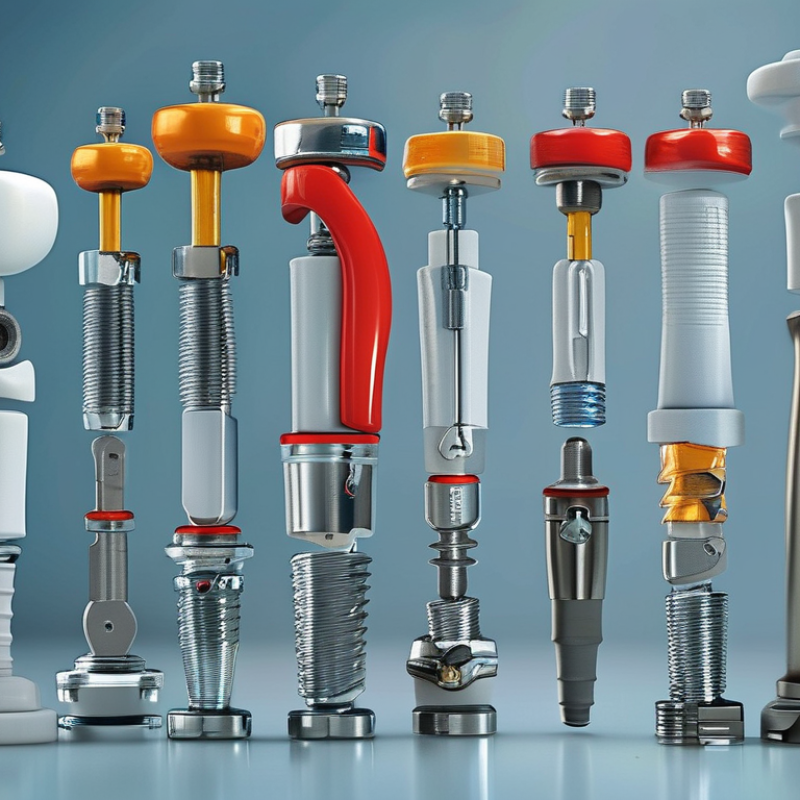
How to Safely Choose Hip Replacement Implants in 2026?

Define Your Hip Replacement Needs and Surgical Goals

How to Safely Choose Hip Replacement Implants in 2026?

Define your needs before discussing implant materials or surgical techniques. Are you seeking pain relief, longer walking distance, safer stair use, or a return to sport? Write down your daily limits. A limp after a 200-meter walk matters clinically. So does difficulty tying your shoes. Your surgeon should review X-rays, bone quality, hip shape, age, activity level, allergies, and previous operations. Bring a medication list and describe your real routine, not your ideal one.

Long-term evidence deserves more attention than advertising language. A 2019 Lancet analysis of 6.5 million hip replacements found estimated implant survival of 93.6% at ten years, 89.4% at fifteen years, and 58.7% at twenty-five years. These figures are population averages, not personal promises. The Australian Orthopaedic Association National Joint Replacement Registry’s 2024 report also tracks revision differences by age, diagnosis, fixation method, and bearing choice. Ask how those factors apply to you. Ask about blood-clot prevention, infection rates, leg-length planning, and the surgeon’s revision experience. Smaller incisions may sound attractive, but they are not automatically safer. I would question any recommendation based on one feature alone. Your goal may be steady walking, not maximum athletic performance. That distinction can change the safest implant choice.

How to Safely Choose Hip Replacement Implants in 2026?

Define your hip replacement needs and surgical goals by considering expected implant longevity, age, activity level, bone quality, and personal revision-risk tolerance.

The chart shows pooled registry estimates of revision-free survival after primary total hip replacement. These population-level figures are not an individual prediction; implant selection should be discussed with an orthopedic surgeon based on diagnosis, anatomy, age, activity, bone health, and surgical goals.

Source: Evans JT, et al. “How long does a hip replacement last?” The Lancet, 2019.

Compare Implant Materials, Designs, and Fixation Methods

How to Safely Choose Hip Replacement Implants in 2026?

Implant material affects wear, fracture risk, and long-term stability. Ceramic bearings can reduce wear and produce fewer metal particles. However, ceramic components may rarely chip or crack. Metal heads paired with highly cross-linked polyethylene remain widely studied. Polyethylene is durable, but wear still depends on activity, alignment, and implant size. The safest material is not identical for every patient.

Design matters as much as material. A standard design may suit a stable hip with adequate bone quality. Dual-mobility designs can improve stability for patients with higher dislocation risk. Constrained designs offer more restraint, but they may transfer greater stress to the bone. Larger femoral heads can increase stability, although they require careful positioning. More features do not always mean better performance.

Fixation should match bone strength, age, activity, and surgical findings. Cementless implants rely on bone growth into a textured surface. This approach may provide durable fixation in healthy bone. Cemented fixation can offer immediate stability, especially when bone is fragile. Hybrid fixation combines both methods and may be reasonable in selected cases. Evidence continues to evolve, and registry data do not answer every personal question. Ask the surgeon why one bearing, design, and fixation method fits your anatomy. Request details about expected revision risk, imaging follow-up, and recovery limits. No choice is perfect. A second opinion can expose assumptions that otherwise remain unnoticed.

Evaluate Implant Safety, Durability, and Recall History

How to Safely Choose Hip Replacement Implants in 2026?

Implant safety begins with evidence, not advertising. Ask your orthopedic surgeon for the implant’s exact model, materials, expected lifespan, and known complications. A durable implant should have long-term clinical data, not only promising laboratory results. Discuss loosening, wear particles, fractures, dislocation, infection, and revision surgery. These risks vary with age, bone quality, activity, and surgical technique. A strong surgeon will explain uncertainty clearly.

Review the device’s recall history through official health authority databases and hospital records. A recall does not always mean immediate danger, but its reason matters. Check whether it involved packaging, manufacturing, breakage, or patient harm. Ask how many implants were affected and what follow-up is recommended. Your surgeon should also explain whether your proposed model has been studied in national joint registries. No checklist is perfect. I would still seek a second opinion when answers feel rushed or vague.

Tips: Bring a written question list to your appointment. Request the exact implant name and identification details for your records. Compare published registry results, not isolated testimonials. Ask about alternatives, including established designs with longer follow-up. Consider your daily life, such as climbing stairs, kneeling, or lifting children. The “newest” option may not be the safest choice. Reflect carefully. A small detail, like unclear recall information, deserves attention.

Discuss Implant Options with a Qualified Orthopedic Surgeon

Choosing a hip replacement implant should begin with a qualified orthopedic surgeon, not an online ranking. Look for a board-certified surgeon with specific training in hip reconstruction and regular experience with your procedure. Ask how often they perform replacements and how their revision rates compare with national registry data. The American Joint Replacement Registry’s 2024 Annual Report included more than three million hip and knee procedures, showing why large databases matter when evaluating long-term implant performance.

During the consultation, discuss implant materials, fixation method, head size, and expected durability. Your age, bone quality, activity level, anatomy, allergies, and previous surgeries can change the best option. Cemented and uncemented fixation each have practical advantages. Bearing materials also involve trade-offs, not simple winners. Ask for evidence from peer-reviewed studies and national registries, rather than promises based on a device’s novelty.

Bring a written question list. Ask what happens if the implant loosens, dislocates, or causes persistent pain. Also ask whether the proposed implant has enough long-term follow-up. Newer does not always mean safer. I would not choose an unfamiliar design merely because it sounds advanced. A surgeon may prefer a familiar implant, which is not automatically bias, but it deserves a clear explanation. My judgment could still be incomplete; surgical technique, rehabilitation, and patient health strongly influence outcomes. The U.S. FDA and orthopedic societies advise shared discussions about benefits, risks, and alternatives before surgery.

How to Safely Choose Hip Replacement Implants in 2026? - Discuss Implant Options with a Qualified Orthopedic Surgeon
Decision Dimension Common Options What the Option Means Potential Advantages Important Safety Considerations Questions to Discuss with Your Surgeon
Implant fixation Cemented, cementless, or hybrid fixation Cemented components are secured with bone cement. Cementless components rely on bone growth onto a specially prepared surface. Hybrid procedures use different fixation methods for the socket and thighbone components. The choice can be tailored to bone quality, age, activity level, anatomy, and surgical experience. Cementless fixation may require sufficient bone quality for stable initial fixation. Cemented fixation has a long clinical history, but the surgeon must consider overall health and surgical risk. How strong is my bone? Which fixation method is most appropriate for my age, anatomy, and fracture risk?
Femoral stem design Standard-length, shorter, or alternative-shape stems The stem is placed inside the thighbone to support the femoral head. Designs vary in length, geometry, coating, and how they distribute load. Different designs may help accommodate the shape of the femur, preserve bone, or improve reconstruction of leg length and hip mechanics. A smaller or shorter stem is not automatically safer or better. Poor fit, fracture, loosening, or incorrect leg length can occur if the design does not match the patient’s anatomy. How will you confirm proper fit during surgery? What are the risks of fracture, loosening, or leg-length difference with this design?
Acetabular cup Fixed cup with a replaceable liner The cup replaces the damaged socket. In many modern total hip replacements, a metal shell is fixed in the pelvis and a separate liner provides the bearing surface. A modular liner can allow the surgeon to select the bearing material, adjust stability, and replace the liner in some revision procedures. Modular connections must be correctly assembled and positioned. Cup orientation and bone coverage are important for stability and reducing wear or dislocation risk. How much of my socket provides bone coverage? How will cup position and hip stability be checked?
Bearing couple Ceramic-on-polyethylene, metal-on-polyethylene, or ceramic-on-ceramic The bearing couple is the combination of materials that move against each other inside the artificial joint. Highly cross-linked polyethylene has substantially improved wear performance compared with older conventional polyethylene. Ceramic surfaces generally have low wear characteristics. Each combination has trade-offs. Ceramic components can fracture rarely and may produce squeaking in some situations. Metal components require careful material selection and positioning; metal-on-metal bearings have specific concerns and are not routine for conventional total hip replacement. Which bearing couple fits my age, activity level, anatomy, and risk profile? What long-term monitoring would be needed?
Femoral head size Smaller or larger head diameter The femoral head is the ball that articulates with the socket liner. Head size is selected together with the liner and implant system. A larger head may improve the range of motion before impingement and can increase jump distance, which may help reduce dislocation risk in selected patients. Larger heads may increase friction or material wear depending on the bearing combination. Head size cannot compensate for poor component positioning or inadequate soft-tissue management. What head size is appropriate for me, and how does it affect stability, wear, and range of motion?
Stability strategy Standard, dual-mobility, or constrained options in selected cases Some designs provide additional movement between components or mechanically restrict dislocation. They are used according to patient-specific risk. Additional stability may be considered for patients with a higher risk of dislocation, including some revision or neuromuscular cases. More components can introduce additional interfaces and potential complications. These designs are not necessary for every patient and require appropriate surgical planning. What is my personal dislocation risk? Would a stability-enhancing design provide meaningful benefit in my case?
Approach and soft-tissue management Anterior, posterior, lateral, or other surgeon-selected approach The surgical approach describes how the surgeon reaches the hip. Implant safety depends on component positioning, tissue handling, patient factors, and postoperative care—not on the approach alone. A qualified surgeon can select an approach that matches the patient’s anatomy, medical condition, and surgical needs. No approach eliminates all complications. Infection, blood clots, fracture, nerve injury, dislocation, and persistent pain remain possible risks. Which approach do you recommend and why? What are your complication rates for this procedure and patient profile?
Patient-specific anatomy Standard planning, templating, or advanced imaging when indicated Preoperative imaging and planning help estimate component size, position, leg length, offset, and hip center. Careful planning can support accurate reconstruction and help identify unusual anatomy, bone loss, or leg-length concerns before surgery. Planning tools support but do not replace surgical judgment. Imaging should be medically justified and interpreted by qualified professionals. Do I need additional imaging or specialized planning because of previous surgery, deformity, dysplasia, or bone loss?
Surgeon and facility experience Qualified orthopedic surgeon and accredited surgical facility Outcomes depend on patient health, implant selection, surgical technique, infection prevention, rehabilitation, and follow-up care. Relevant training, experience with the proposed procedure, and access to postoperative support can improve decision-making and complication management. Do not select an implant solely because of advertising, price, online ratings, or claims of being the newest option. Implant availability may differ by country and hospital. How often do you perform total hip replacement? What are your rates of infection, dislocation, revision, and readmission?
Regulatory and clinical evidence Authorized implant with documented clinical use Implants should be legally authorized for the intended use in the country where surgery is performed and supported by appropriate safety and performance information. Reviewing regulatory status, published evidence, and registry data can help place an implant’s expected performance in context. Regulatory clearance or approval does not guarantee a specific result for an individual patient. Long-term evidence may be limited for newer designs. What evidence supports this implant design? How long has it been used, and are independent registry or follow-up data available?
Expected service life Long-term use with possible revision over time Many hip replacements function well for 15 years or longer, but durability varies with age, activity, weight, implant positioning, health, and other factors. Modern materials and improved surgical techniques have contributed to better durability than earlier generations. No implant lasts forever. Younger or highly active patients may have a greater lifetime chance of needing revision surgery. What is the realistic revision risk for someone with my age, activity level, and medical history?
Aftercare and warning signs Structured rehabilitation, follow-up, and prevention of complications Recovery commonly includes prescribed exercises, wound care, mobility guidance, and follow-up appointments. Following individualized instructions can support mobility and help detect problems early. Seek urgent medical advice for increasing wound redness or drainage, fever, chest pain, shortness of breath, severe calf pain, sudden loss of function, or a suspected dislocation. When can I walk, drive, work, exercise, and return for imaging or routine follow-up?
Important: Implant selection is individualized medical decision-making. Discuss your diagnosis, bone quality, allergies, activity goals, medical conditions, and the surgeon’s experience with a qualified orthopedic surgeon. This table is general educational information and does not replace a clinical consultation.

Confirm Costs, Risks, Recovery Plans, and Long-Term Follow-Up

Choosing a hip replacement implant safely begins with a detailed conversation, not a product name. Ask your orthopedic surgeon why a specific implant suits your bone quality, age, activity level, and medical history. Request evidence from independent clinical studies and hospital outcome data. Experience matters, but no surgeon can promise a perfect result.

Confirm every cost before scheduling surgery. Ask whether the estimate includes the implant, surgeon, hospital, anesthesia, imaging, medicines, rehabilitation, and possible revision surgery. Insurance rules may change the final amount. Get written answers. Small charges can become stressful surprises.

Risks deserve plain language. Discuss infection, blood clots, dislocation, nerve injury, leg-length differences, loosening, and persistent pain. Your recovery plan should show when you can stand, drive, work, exercise, and attend physical therapy. Arrange help at home, remove loose rugs, and keep essential items within reach. Recovery is rarely perfectly predictable.

Plan follow-up beyond the first successful months. Ask who will monitor the joint, when X-rays are needed, and which symptoms require urgent contact. Increasing pain, fever, wound drainage, or sudden weakness should not be ignored. Long-term follow-up can identify wear or loosening before major damage occurs. It is easy to focus on surgery day. That may be a mistake. A second opinion is reasonable when explanations feel rushed, costs remain unclear, or the recovery plan sounds vague. Share your full medication list and health history honestly, even details that seem unrelated. Reliable decisions depend on complete information.

FAQS

How does implant material affect hip replacement performance?

Ceramic bearings may reduce wear and metal particles. They can rarely chip or crack. Metal heads with highly cross-linked polyethylene remain widely studied. No material suits everyone.

Is ceramic always the safest option?

Not necessarily. Choice depends on age, activity, anatomy, alignment, and surgical findings. A smooth ceramic surface still has limits. That matters.

Which implant designs may reduce dislocation risk?

Dual-mobility designs can improve stability for higher-risk patients. Larger heads may also help when positioned carefully. Constrained designs provide more restraint but can increase bone stress. More features do not guarantee better results.

How is the fixation method selected?

Cementless fixation depends on bone growing into a textured surface. It may suit patients with healthy bone. Cemented fixation can provide immediate stability in fragile bone. Hybrid fixation combines both methods for selected cases.

Which personal factors influence implant selection?

Age, bone quality, activity, anatomy, allergies, and previous surgeries all matter. Surgical findings may change the plan. Your neighbor’s implant may not fit your hip.

What questions should I ask the orthopedic surgeon?

Ask about material, design, fixation, head size, durability, and revision risk. Ask what happens after loosening, dislocation, or persistent pain. Request evidence from studies and national registries. Bring a written list.

Does a newer implant provide better safety?

No. New designs may lack long-term follow-up. Familiar implants may have stronger evidence, but familiarity alone proves little. My judgment may still be incomplete without your imaging and history.

How can I choose a qualified surgeon?

Look for board certification and regular experience with hip reconstruction. Ask about procedure volume and revision rates. Discuss recovery limits and imaging follow-up. Online rankings cannot replace personal evaluation.

When is a second opinion useful?

A second opinion can reveal hidden assumptions about bone strength or dislocation risk. Compare the reasoning, not just the proposed implant. No choice is perfect. Shared discussion remains essential.

Conclusion

How to choose hip replacement implants safely begins with understanding your personal needs, activity goals, bone quality, age, medical history, and expectations for recovery. Patients should learn about available implant materials, component designs, and fixation methods, including how each option may affect comfort, stability, movement, and longevity. Safety and durability are also important, so discuss available clinical evidence, known complications, revision rates, and any relevant recall or safety history with a qualified orthopedic surgeon.

A careful decision should include a clear review of surgical risks, expected benefits, total costs, rehabilitation requirements, and the possibility of future monitoring or revision surgery. Your surgeon can explain which implant characteristics best match your anatomy and lifestyle while considering other health conditions and medication use. Before proceeding, confirm the recovery timeline, follow-up schedule, warning signs, and questions you should ask after surgery. Shared decision-making and regular long-term follow-up can help support a safer, more informed hip replacement experience.

Isabella

Isabella

Isabella is a dedicated marketing professional with a sharp focus on driving brand growth and engagement through strategic content creation. With an extensive background in digital marketing, she combines her passion for storytelling with her keen understanding of industry trends to deliver......