How to Select the Best Surgical Reamers and Saws for Purchase?

Time:2026-06-28 Author:Aria
0%

Choosing the right surgical reamers and saws is crucial for successful procedures. Dr. Emily Hart, a renowned orthopedic surgeon, emphasizes, "Precision tools lead to precision care." Understanding how to select surgical reamers and saws requires knowledge and experience.

Surgeons must consider various factors. Material, design, and specific application all play vital roles. Each reamer and saw differs in width, length, and sharpness. These variations can impact surgical outcomes significantly. Incorrect choices may lead to complications. Therefore, diligence in selection is essential.

Additionally, reviewing product quality and brand reputation is necessary. Not every tool on the market meets the required standards. Sometimes, trusted options are overlooked in favor of newer brands. Reflecting on past experiences can guide future purchases. Implementing a rigorous selection process ensures reliability and efficiency in the operating room.
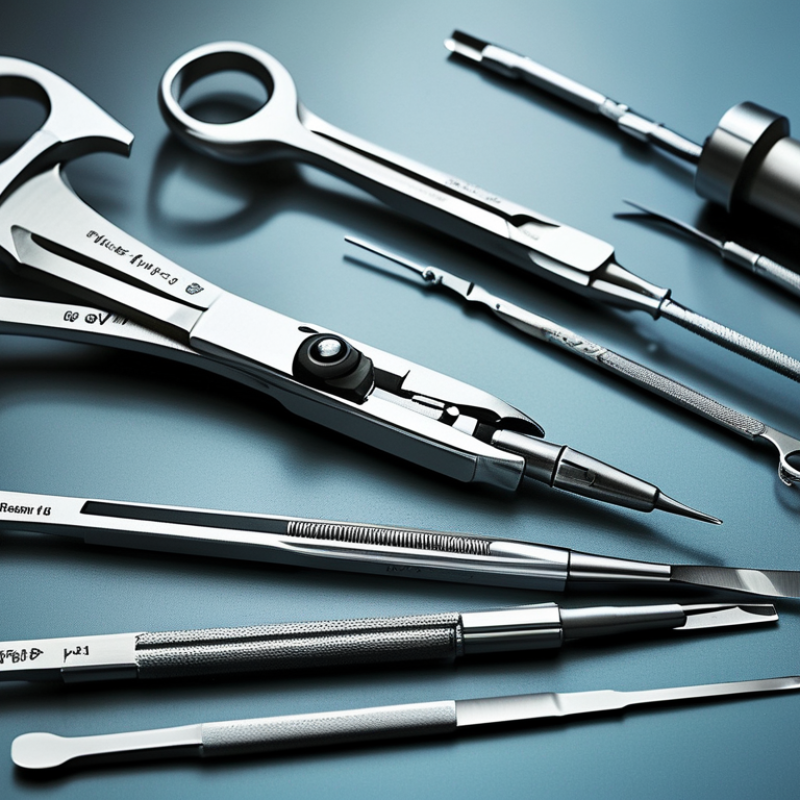
How to Select the Best Surgical Reamers and Saws for Purchase?

Factors Influencing the Selection of Surgical Reamers and Saws

When selecting surgical reamers and saws, several critical factors come into play. The material quality is paramount. Surgical instruments made from high-grade stainless steel or titanium provide durability and resistance to wear. Reports indicate that instruments with a higher Rockwell hardness rating perform better in clinical settings, minimizing the need for frequent replacements.

Another crucial element is the ergonomic design. Instruments should allow for a comfortable grip and precise control during procedures. Poorly designed tools can lead to surgeon fatigue and decreased accuracy. A study from the Journal of Surgical Research highlights that ergonomic tools can reduce operating time by up to 15%.

Compatibility with existing surgical systems is often overlooked. Surgical teams must ensure that new instruments fit seamlessly with existing equipment. Reamer sizes should match the specific requirements for procedures, as mismatches can lead to complications. Additionally, consider the sterilization process; instruments must withstand repeated autoclaving without losing their integrity. Ultimately, investing in the right tools is a reflection of both safety and operational efficiency in surgical environments.

Key Materials Used in Manufacturing Surgical Reamers and Saws

Selecting the right surgical reamers and saws involves understanding the materials used in their production. Material quality can greatly impact precision, durability, and overall performance during surgical procedures. Commonly used materials include stainless steel, titanium, and specialized alloys. Each offers unique benefits and drawbacks.

Stainless steel is known for its corrosion resistance and affordability. However, it can be prone to wear over time if not properly maintained. Titanium is lightweight and strong, but it may present challenges in terms of cost and machinability.

Tips: Always consider how often the tools will be used. For frequent use, investing in higher-quality materials may be worthwhile. Think about how easy they are to sterilize. Proper sterilization is vital in avoiding infection.

Specialized alloys are also used for specific procedures. They can provide superior strength and precision. However, they might come with higher costs. Evaluate the specific needs of your surgical practice before making a purchase.

Tips: Look for trusted sources that provide detailed specifications. Understand what each material offers and how it fits into your workflow. Regularly assess the condition of your tools to ensure patient safety.

Performance Metrics for Evaluating Surgical Reaming and Cutting Tools

When choosing surgical reamers and saws, understanding performance metrics is essential. Precision is one key metric. Tools must cut through different tissues smoothly. This reduces trauma and improves recovery time. The design of the cutting edge is crucial. A sharper edge enhances efficiency, leading to better surgical outcomes.

Another important metric is durability. Surgical tools endure significant stress. Evaluation of materials can indicate longevity. Stainless steel is common, but ceramic and titanium options are available. However, materials that resist wear may be harder to handle. This trade-off needs careful consideration.

Lastly, user feedback plays a vital role. Surgeons often report their experiences using various tools. They share insights on comfort and ease of use. Listening to professionals enhances knowledge. Performance metrics are not merely numbers; they reflect real-world scenarios. Balancing these metrics leads to better decision-making when purchasing surgical reamers and saws.

Industry Standards and Certifications for Surgical Instruments

When selecting surgical reamers and saws, adherence to industry standards is crucial. These instruments must meet specific certifications to ensure safety and effectiveness. Professionals should prioritize items that comply with ISO standards and other recognized regulatory guidelines. This helps guarantee a reliable product designed for precision surgery.

Tips: Check the manufacturer’s documentation. Verify certifications to ensure they maintain high-quality production. Engaging with industry experts can provide deep insights.

Accurate measurements and construction materials play a significant role in performance. Surgical instruments should endure repeated use without losing their integrity. Understanding the materials used is vital. Some might choose stainless steel for durability, while others may prefer titanium for its lightweight properties.

Tips: Request detailed specifications before purchase. A thoughtful assessment of each tool’s design will prevent future frustrations. Remember, the choices you make now impact patient outcomes tomorrow.

Comparison of Surgical Reamer and Saw Certifications

Cost Considerations and Budgeting for Surgical Tool Purchases

Budgeting for surgical tools requires careful consideration. Surgical reamers and saws can range significantly in price. High-quality options may cost more upfront, but their durability often reduces long-term expenses. Patients’ safety hinges on reliable instruments, so prioritizing quality over cost can lead to better outcomes.

When setting a budget, consider all costs. Initial purchase costs, maintenance, and occasional repairs should factor in. It’s essential to include training for staff on new tools. Sometimes, the cheapest option may lead to higher costs down the line. Analyze the total cost of ownership instead of just the purchase price.

Evaluating multiple suppliers can uncover better deals. Look for opportunities to negotiate pricing, especially when buying in bulk. Seek advice from professionals who have experience with surgical tools. Their insights can guide you toward making informed purchases. Remember, investing wisely in surgical instruments today can enhance patient care tomorrow.

How to Select the Best Surgical Reamers and Saws for Purchase? - Cost Considerations and Budgeting for Surgical Tool Purchases

Tool Type Average Price ($) Material Durability Rating (1-10) Common Uses
Surgical Reamer 450 High-speed Steel 9 Bone preparation, Orthopedic procedures
Surgical Saw 800 Titanium Alloy 8 Bone cutting, Amputation surgery
Endoscopic Reamer 600 Carbon Steel 7 Minimally invasive procedures
Reciprocating Saw 900 Stainless Steel 8 Soft tissue and bone cutting
Oscillating Saw 750 Cobalt Chrome 9 Precision cutting in tight areas

FAQS

: What materials are best for surgical reamers and saws?

: High-grade stainless steel and titanium are ideal. They offer durability and wear resistance.

How does ergonomic design affect surgical tools?

Ergonomic design allows for a comfortable grip. This reduces fatigue and increases accuracy during procedures.

Why is compatibility important when choosing surgical instruments?

New instruments must fit existing systems. Mismatched tools can complicate surgeries and impact outcomes.

What should be considered in the sterilization process?

Instruments should endure repeated autoclaving. They must maintain their integrity after multiple sterilization cycles.

How can cost affect surgical tool selection?

While high-quality options may seem expensive, they often reduce long-term costs and enhance safety.

What costs should be included in a surgical tool budget?

Initial costs, maintenance, repairs, and staff training are all critical. Look at the total cost of ownership.

How can negotiating impact surgical tool purchases?

Negotiating can lead to better deals, especially with bulk purchases. It’s wise to explore multiple suppliers.

What is a common mistake in purchasing surgical instruments?

Focusing only on the initial purchase price can be misleading. Cheaper options may lead to higher long-term expenses.

Why should professionals be consulted in tool selection?

Experienced professionals can provide valuable insights. Their guidance can help make more informed decisions.

What is an important long-term benefit of investing in quality instruments?

Investing wisely in surgical tools can enhance overall patient care. It’s crucial for improving clinical outcomes over time.

Conclusion

When considering how to select surgical reamers and saws, several critical factors come into play. First, understanding the key materials used in manufacturing these tools is essential, as it affects both durability and performance. It’s also important to evaluate performance metrics that indicate the efficacy of reaming and cutting tools. This includes analyzing precision, speed, and reliability during surgical procedures.

Additionally, being aware of industry standards and certifications ensures the tools meet necessary safety and quality benchmarks. Cost considerations play a vital role, as budgeting effectively for surgical tool purchases is crucial for healthcare facilities. By evaluating these factors thoroughly, medical professionals can make informed decisions that enhance surgical outcomes and ensure patient safety.

Aria

Aria

Aria is a dedicated marketing professional with a deep passion for innovative strategies and a keen understanding of our company's product offerings. With a wealth of experience in the industry, Aria excels at crafting engaging content that highlights the unique features and benefits of our......