Top 5 Tips for Ensuring Proper Fit of Prosthetic Implants?

Time:2026-06-07 Author:Sienna
0%

Ensuring a proper fit for prosthetic implants is crucial for patient satisfaction and mobility. Dr. Sarah Jensen, a leading expert in orthopedic prosthetics, emphasizes, "A precise fit can dramatically enhance comfort and function." When considering how to ensure prosthetic implants fit properly, it’s essential to prioritize factors like personalized measurements and follow-up adjustments.

Understanding that each patient's anatomy is unique helps customize implants effectively. Patients often experience discomfort due to improperly fitted devices. It can impede their recovery and overall well-being. Addressing fitting challenges early on contributes significantly to long-term success. Regular assessments and feedback can guide necessary alterations in the implant.

Prosthetic fit isn’t just a technical issue; it involves understanding the patient's lifestyle and specific needs. Every adjustment made should consider both mechanical alignment and personal comfort. In the quest for the perfect fit, it’s vital to keep the lines of communication open between patients and providers to foster a collaborative care approach.
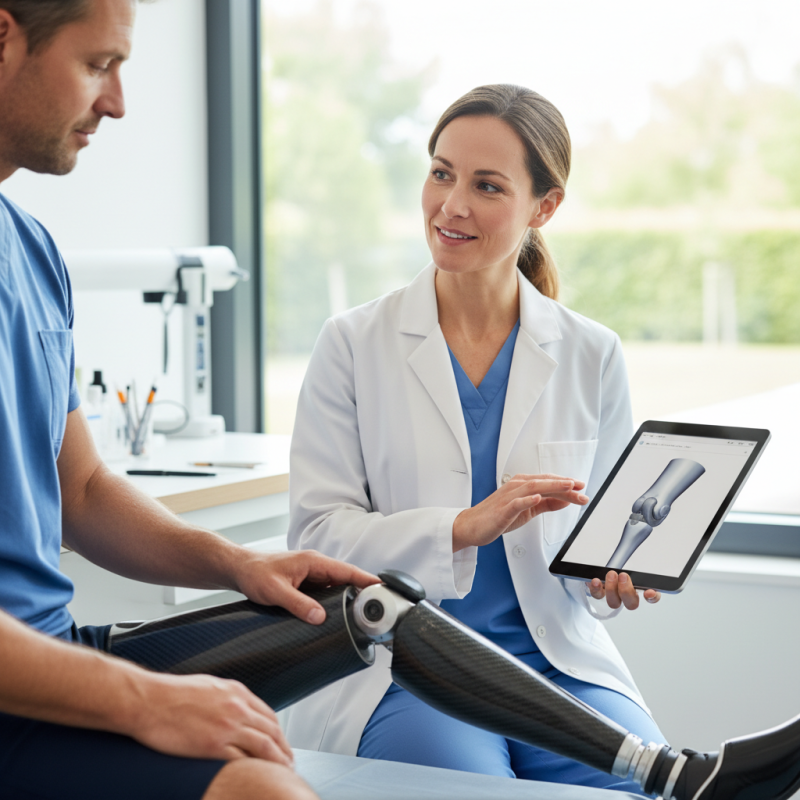
Top 5 Tips for Ensuring Proper Fit of Prosthetic Implants?

Understanding Prosthetic Implant Fit: Importance and Challenges

Understanding the fit of prosthetic implants is crucial for both function and comfort. A well-fitted prosthetic can enhance mobility, reduce pain, and improve overall quality of life. However, achieving this fit presents various challenges. Surgical techniques and patient anatomy can significantly influence outcomes. Each individual's body is unique, making a one-size-fits-all approach ineffective.

To ensure a proper fit, regular follow-ups with healthcare providers are essential. Adjustments may be needed as the body changes over time. It’s crucial to communicate any discomfort or changes in mobility.

Another useful tip is to consider the materials used in the prosthetic. Lighter materials can enhance comfort but might lack durability. Find a balance between weight and durability for the best outcome. Additionally, consider using custom molds for a more tailored fit. This approach can address specific anatomical challenges. However, it requires additional time and resources, which may not always be available.

Key Measurements for Optimal Prosthetic Implant Fit

Achieving a proper fit for prosthetic implants requires precise measurements. The key measurements include limb circumference, length, and bone structure. Accurate circumference measurement ensures the prosthetic comfortably hugs the residual limb without causing pressure points. This reduces the risk of skin irritation and enhances comfort.

Length measurements are critical. They dictate how the prosthetic interacts with the body. Too short or too long can lead to instability. Additionally, understanding the unique bone structure aids in customizing the implant. A miscalculation can lead to discomfort and improper alignment.

It's essential to communicate openly with your clinician. Discuss any discomfort or issues with the fit. Adjustments can be made later, but initial measurements are crucial. Regular follow-ups are necessary for fine-tuning. Remember, comfort should always be a priority, but achieving that perfect fit can take time. Each individual’s needs are different, and some trial and error is often needed.

Evaluating Material Compatibility in Prosthetic Implants

When choosing prosthetic implants, evaluating material compatibility is crucial. Different materials have unique properties that affect durability and patient comfort. For example, titanium is known for its strength and biocompatibility. However, not every patient’s body responds well to it. Some individuals may experience allergic reactions or rejection. This highlights the need for thorough testing and assessment.


In addition, the surface finish of the implant can influence tissue integration. A rough surface may promote better cell attachment. Conversely, a smooth surface might not engage the tissue adequately. The type of procedure performed also impacts material choice. Each case might require different considerations. Consulting professionals who specialize in prosthetics can provide insight that may not be apparent initially.


Furthermore, the interaction between the implant and the body's chemistry is a significant factor. Factors like pH levels, temperature, and surrounding tissue health can vary greatly among individuals. These can affect the implant's performance over time. Adequate monitoring is essential to address any unexpected issues. It is vital to consider these details during the evaluation process. This ensures a more personalized and successful outcome.

The Role of Advanced Imaging Techniques in Fit Assessment

Advanced imaging techniques play a crucial role in ensuring the proper fit of prosthetic implants. With the increasing complexity of these devices, imaging methods like MRI and CT scans have become fundamental in pre-surgical planning. According to recent studies, up to 30% of prosthetic implants can face fitting issues, leading to complications and dissatisfaction. Accurate imaging allows for personalized assessments, reducing these risks significantly.

Proper fit is essential for patient comfort and functionality. One effective approach is using 3D modeling based on imaging data. This model helps surgeons visualize the anatomical differences and make informed decisions. Regular follow-ups and re-evaluation using advanced imaging can identify issues before they lead to severe complications. Insight from precision imaging highlights variations that traditional methods might overlook.

When ensuring a proper fit, consider the following tips. First, involve a multidisciplinary team, including radiologists and orthopedic specialists. This collaboration enhances the accuracy of the imaging and the success of the implant procedure. Second, keep up with advancements in imaging technology. New methods and tools are continually being developed, making it essential to stay informed. Finally, educate patients on the importance of imaging in their treatment plan, as informed patients are more likely to have realistic expectations.

Top 5 Tips for Ensuring Proper Fit of Prosthetic Implants

Patient-Centered Adjustments: Ensuring Comfort and Functionality

Prosthetic implants must fit well to ensure patient comfort and functionality. Patient-centered adjustments are essential in this process. A report from the American Academy of Orthotists and Prosthetists highlights that approximately 50% of users report discomfort with their prosthetics. This discomfort can stem from poor fit, which can significantly impact mobility and quality of life.

Adjustments are best made after careful assessment. Skilled prosthetists should perform regular fittings, evaluating how the implant interacts with the user’s body. Proper alignment can make a difference. A well-aligned prosthetic can reduce the risk of pressure sores. Regular follow-ups can help identify issues before they become problematic.

Moreover, personal preferences should not be overlooked. Each patient has unique needs and expectations. Research shows that 72% of users want the ability to customize their prosthetics. Adjusting the design to align with patient desires can lead to increased usage and satisfaction. These insights reveal the ongoing need for a dynamic, patient-focused approach in prosthetic design, where comfort and functionality go hand in hand.

Top 5 Tips for Ensuring Proper Fit of Prosthetic Implants

Tip Description Benefits
1. Comprehensive Assessment Collaborate with a healthcare provider for initial and follow-up assessments to ensure the implant fits well. Improves overall comfort and reduces pain.
2. Material Selection Choose materials that best suit the individual’s needs, considering allergies, lifestyle, and activity level. Enhances durability and promotes skin compatibility.
3. Regular Adjustments Schedule regular check-ups to adjust the fit based on changes in body shape or weight. Maintains functionality and aids in performance.
4. Consultation on Activity Levels Discuss anticipated activities with a professional to adjust the implant design accordingly. Ensures safety and maximizes usage potential.
5. Patient Education Educate the patient on proper care and maintenance of the prosthetic implant. Promotes longevity of the implant and enhances patient satisfaction.

FAQS

: Why is material compatibility important in prosthetic implants?

: Material compatibility affects durability and patient comfort.

What is a common material used in prosthetics?

Titanium is commonly used for its strength and biocompatibility.

Can patients have negative reactions to implants?

Yes, some may experience allergic reactions or rejection of the material.

How does the surface finish of an implant affect performance?

A rough surface may help cells attach better, unlike a smooth surface.

Why is consulting professionals important in prosthetic choices?

Experts provide insights that may not be obvious, ensuring better outcomes.

How do body chemistry factors influence implant success?

Individual pH levels and tissue health can greatly affect performance.

What percentage of prosthetic users report discomfort?

Approximately 50% report discomfort, often due to poor fit.

How can adjustments improve prosthetic comfort?

Regular fittings ensure proper alignment and reduce pressure sores.

Why should personal preferences be considered in prosthetics?

Customization leads to increased satisfaction and usage among users.

What ongoing needs were identified in prosthetic design?

There is a need for a patient-focused approach emphasizing comfort and functionality.

Conclusion

Ensuring that prosthetic implants fit properly is crucial for both comfort and functionality. The article emphasizes the importance of understanding the fit of prosthetic implants and the challenges associated with it. Key measurements, such as the dimensions of the residual limb and the implant's design, are essential to achieve an optimal fit. Additionally, evaluating material compatibility plays a significant role in preventing discomfort and ensuring longevity.

Advanced imaging techniques, like 3D scanning and MRI, can assist in accurately assessing the fit of prosthetic implants, while patient-centered adjustments allow for modifications needed to enhance comfort and usability. By focusing on these critical aspects, healthcare providers can significantly improve the outcomes for individuals using prosthetic devices. Through these strategies, readers will gain insights into how to ensure prosthetic implants fit properly.

Sienna

Sienna

Sienna is a skilled marketing professional with a deep expertise in our company’s core products and services. With a passion for innovation and detail, she plays a pivotal role in crafting insightful blog posts that not only highlight the unique features of our offerings but also provide valuable......