Top 10 Tips for Safe Use of Orthopedic Power Tools?

Time:2026-05-03 Author:Sienna
0%

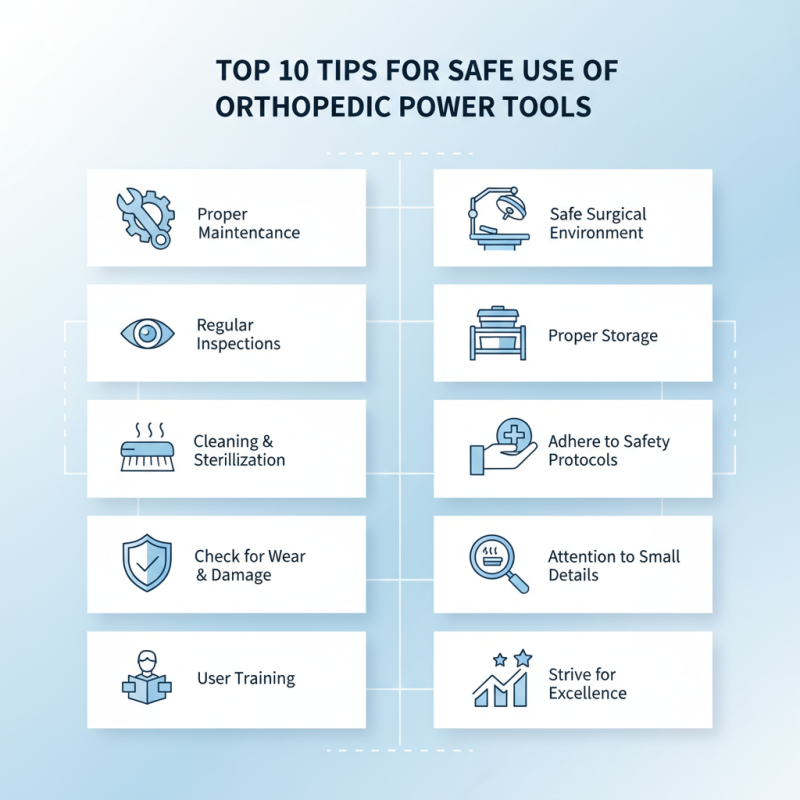
Ensuring the safe use of orthopedic power tools is critical for both patients and healthcare professionals. Dr. Emily Carter, an orthopedic surgeon, emphasizes the importance of maintaining these tools. She once remarked, “Proper maintenance directly impacts patient safety.” Understanding "how to maintain orthopedic power tools safely" is essential in this field.

Regular inspections can prevent unexpected failures during surgeries. Each tool should be cleaned and sterilized after use. It is crucial to check for any signs of wear or damage frequently. This diligence reduces risks and promotes reliability. Additionally, user training is vital. Technicians must understand each tool’s specific safety requirements.

The responsibility of safety extends beyond just the tools. It involves the entire surgical environment. Proper storage also plays a role in preventing accidents. While most professionals comply with safety measures, overlooking small details can lead to significant issues. Striving for excellence in this area is not just a goal; it’s a necessity.
Top 10 Tips for Safe Use of Orthopedic Power Tools?

Essential Pre-Use Checks for Orthopedic Power Tools

Before using orthopedic power tools, conduct essential pre-use checks. Understand their operation. Check for any visible damage. Look for loose parts before you start working. This simple step can prevent accidents.

Always inspect the power cord and plug. Damaged cords can lead to electrical hazards. Make sure the blades are clean and sharp; dull blades require extra pressure, increasing the risk of slipping. Verify that safety guards are in place. These safeguards protect both the operator and the patient.

It's also crucial to test the tool briefly before use. Pay attention to unusual noises, which may indicate a malfunction. Ensure that your workspace is clean and organized. Clutter can lead to accidents. Refine your technique frequently. Rely on feedback from peers and mentors; practice makes perfect.

Top 10 Tips for Safe Use of Orthopedic Power Tools

Proper Personal Protective Equipment (PPE) for Safe Operation

When operating orthopedic power tools, wearing the right personal protective equipment (PPE) is crucial. A properly fitted helmet protects against potential head injuries. Safety goggles shield the eyes from flying debris. Ear protection is essential, too, as these tools can produce high decibel levels.

It's important to remember that PPE alone isn't enough. Regular checks on equipment ensure safety gear remains effective. Gloves provide grip, but they should allow for dexterity. Inspect tools for any wear and tear before each use; this can prevent dangerous malfunctions. Following these practices forms a layer of protection that can't be overlooked.

Reflecting on experiences in the operating room can highlight areas for improvement. Have you considered how often you replace your PPE? Old or worn-out equipment can be just as dangerous as the tools themselves. Being proactive in maintaining your safety gear will minimize risks associated with orthopedic procedures. Ensuring accountability among colleagues fosters a safer environment for everyone involved. Each step counts toward safer operations.

Techniques for Maintaining Optimal Tool Performance

Maintaining optimal performance of orthopedic power tools is crucial for safety and efficiency in surgical environments. Regular inspection is essential. Check for wear and tear on blades, cords, and housings. Tools should feel balanced and stable in hand. Perform a functional test to ensure everything operates smoothly.

Cleaning is equally important. Debris can build up and affect performance. Use a damp cloth and appropriate cleaning solutions. Ensure all components dry completely before reassembling. This reduces the risk of malfunction.

Lastly, keep tools stored properly. A designated area protects them from damage. Look out for signs of rust or corrosion regularly. Reflecting on these practices can prevent serious issues, ensuring reliability during critical surgical procedures.

Guidelines for Safe Handling and Storage of Tools

When handling orthopedic power tools, safe storage practices are crucial. Properly storing these tools can prevent accidents and prolong their lifespan. Studies reveal that improper storage contributes to nearly 30% of workplace tool-related injuries. Tools should be organized in a locked cabinet or designated area. This limits unauthorized access and ensures that every item is accounted for.

Each tool should be maintained and cleaned after use. The American Society of Safety Professionals recommends routine inspections to detect wear or damage. Even small defects can lead to significant failures during use. Maintaining tools in optimal condition enhances safety and performance.

Also, ensure cutting edges and points are covered or sheathed. This not only protects the tools but also prevents injuries when retrieving items. It's easy to overlook this step, but it is essential for overall safety. Lastly, document tool usage and any maintenance performed. This reinforces accountability and provides valuable data for injury prevention strategies.

Key Emergency Procedures for Tool-Related Incidents

In orthopedic surgery, safety is crucial, especially when using power tools. Tool-related incidents can lead to serious injuries. According to recent studies, 30% of surgical complications are linked to equipment misuse. It's vital to follow emergency procedures to minimize risks.

When an incident occurs, the first step is to ensure patient safety. Remove any equipment that poses a danger. Assess the injury quickly. Call for assistance if needed. Report the incident immediately according to your facility's protocols. Data from the Joint Commission suggest that timely reporting can prevent further complications and improve outcomes.

To keep your workplace safe, always inspect tools before use. Regular maintenance can prevent unexpected failures. Ensure staff are trained and understand protocols. Also, use safety gear such as gloves and goggles. Only 25% of facilities provide adequate training on equipment usage, leaving gaps in safety preparedness. Regular drills can also enhance readiness for emergencies. Assessing and improving these areas is essential for a safer surgical environment.

Top 10 Tips for Safe Use of Orthopedic Power Tools - Key Emergency Procedures for Tool-Related Incidents

Tip No. Safety Tip Emergency Procedure
1 Always wear appropriate personal protective equipment (PPE). Administer first aid for minor injuries and report to the supervisor.
2 Ensure tools are well-maintained and inspected before use. Follow proper lockout/tagout procedures in case of malfunction.
3 Read the user manual and safety instructions for each tool. Refer to the emergency instruction section in the manual.
4 Use the correct tool for the intended task. In case of injury, stop work immediately and seek help.
5 Keep the work area clean and organized to prevent accidents. Alert coworkers if any spills or hazards are identified.
6 Ensure proper training and certification before using power tools. Report any incidents to training personnel for review.
7 Never bypass safety guards or features on tools. Stop the tool and inform a supervisor immediately.
8 Always unplug power tools when changing accessories. If shock occurs, check for electrical issues and call for help.
9 Maintain a safe distance from others while using tools. In the event of an accident, provide assistance and call for medical help.
10 Follow proper shutdown procedures to ensure tools are safely stored. Report issues immediately to prevent risks to others.

FAQS

: What should I check before using orthopedic power tools?

: Inspect for any visible damage and loose parts. This prevents accidents during operation.

Why is it important to inspect the power cord?

A damaged power cord can cause electrical hazards, putting everyone at risk.

How often should blades be checked?

Blades must be clean and sharp to avoid increased pressure and slipping risks.

What are safety guards used for?

Safety guards protect the operator and patient from injuries during use.

How should I prepare my workspace?

Keep it clean and organized to prevent accidents while using power tools.

What personal protective equipment should I wear?

A helmet, safety goggles, and ear protection are essential when using power tools.

Can old PPE be harmful?

Yes, worn-out equipment can be as dangerous as faulty tools, increasing risks.

How can I refine my technique?

Regular practice and feedback from peers can improve your skills and safety.

What should I consider about equipment maintenance?

Regular checks help ensure equipment and PPE remain effective when needed.

How does accountability impact safety in the operating room?

Fostering accountability among colleagues encourages a safe environment for all.

Conclusion

This article provides essential insights on how to maintain orthopedic power tools safely, ensuring their optimal performance while protecting users. It emphasizes the importance of conducting thorough pre-use checks to identify any potential issues, thereby minimizing the risk of tool failure during operations. Proper personal protective equipment (PPE) is highlighted as critical for safeguarding operators, and the article discusses best practices for maintaining tools to prolong their lifespan and efficiency.

Additionally, the guidelines for safe handling and storage of orthopedic power tools are outlined to prevent accidents and ensure readiness for use. Crucially, the article covers key emergency procedures that should be followed in the event of tool-related incidents, providing a comprehensive framework for safe usage. By adhering to these tips, users can significantly enhance both their safety and the effectiveness of the tools in orthopedic applications.

Sienna

Sienna

Sienna is a skilled marketing professional with a deep expertise in our company’s core products and services. With a passion for innovation and detail, she plays a pivotal role in crafting insightful blog posts that not only highlight the unique features of our offerings but also provide valuable......