In the field of orthopedic surgery, selecting the right bone screws and plates for fractures is critical. Research indicates that nearly 30% of orthopedic complications arise from improper implantation techniques and unsuitable materials. According to Dr. Emily Carter, an expert in orthopedic device design, “Choosing the right hardware is as vital as the surgical technique itself.” This emphasizes the importance of understanding how to select bone screws and plates for fractures.
With a variety of options available, surgeons must consider factors such as fracture type, patient needs, and material properties. For example, titanium and stainless steel are prevalent choices due to their strength and biocompatibility. A misstep in selection can lead to poor healing or device failure, impacting patient recovery. As reported by the Journal of Orthopedic Research, 20% of patients experience complications linked to hardware failure, highlighting the necessity of informed decisions.
Navigating the multifaceted world of orthopedic implants can be daunting. Each choice comes with its own set of risks and benefits. It’s essential to weigh these carefully. The ultimate goal remains providing patients with the best possible outcomes, while also acknowledging that every surgical decision carries an inherent uncertainty.
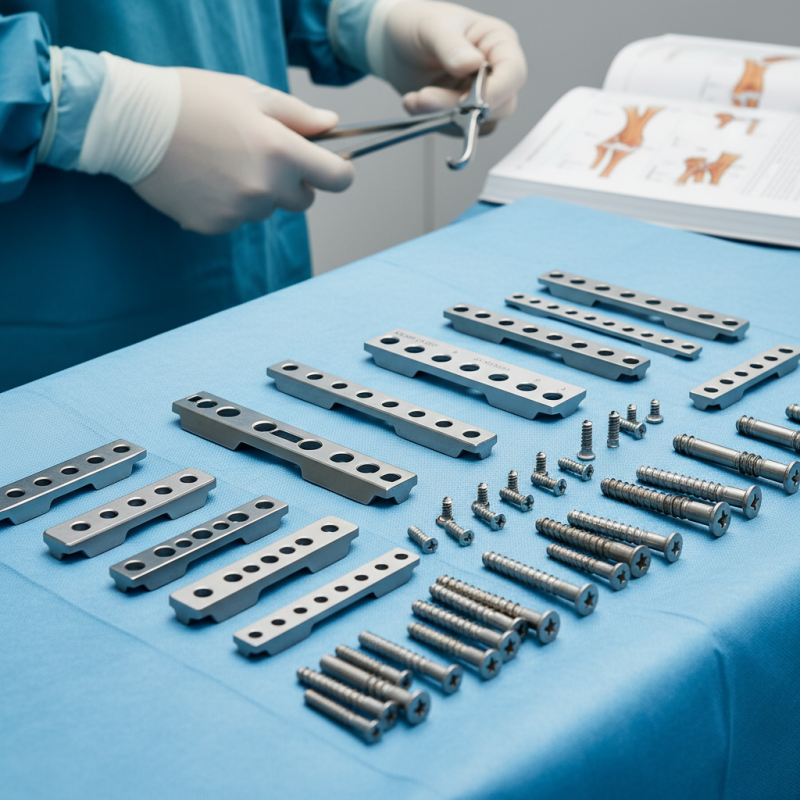
When selecting bone screws and plates for fractures, understanding the types available is crucial. There are various types of bone screws, such as cortical screws, cancellous screws, and locking screws. Each serves specific purposes based on the bone type and fracture location. According to a study published in the Journal of Orthopaedic Research, cortical screws have higher pull-out strength, making them ideal for dense bone areas. In contrast, cancellous screws are designed for softer, spongy bone. Locking screws offer enhanced stability, crucial for complex fractures.
Bone plates also come in different forms. Dynamic compression plates (DCP) are commonly used for stable fractures. They allow for axial loading, promoting bone healing. A comprehensive survey shows that surgeons favor DCP for their versatility in various fracture situations. There are also locking plates that provide fixed-angle stability. The choice between these types depends on the fracture dynamics and patient's bone quality. However, relying solely on one type may not always yield the best outcomes. Surgeons often reflect on their experiences, suggesting that mixing techniques might improve results in complex cases.
When considering bone screws for fracture repair, several crucial factors come into play. The size of the screw is critical. It must fit the specific diameter of the bone being treated. This ensures adequate stability and prevents complications. Another factor is the thread design. Different thread structures provide various levels of friction and pullout strength. A well-designed thread can enhance the screw’s grip in the bone.
Material selection also plays a significant role in the effectiveness of bone screws. Stainless steel is commonly used for its strength and corrosion resistance. However, bioresorbable options are gaining traction. These dissolve over time, reducing the need for a second surgery. The choice of material might depend on the patient's specific needs and recovery plan.
Screw length is another important consideration. It should adequately anchor into the bone without causing excessive damage. Overly long screws can lead to complications, while too short screws may fail to stabilize the fracture. Surgeons often reflect on these details, knowing that each choice can significantly impact patient outcomes. Balancing between various options requires experience and thoughtful decision-making.
When selecting the right plate design for fractures, stability is paramount. A well-designed plate provides the essential support that allows bones to heal correctly. According to a study published in the Journal of Orthopaedic Trauma, using the right plate can reduce healing time by up to 30%. This data emphasizes the importance of choosing the appropriate design that fits the specific fracture type.
Different fractures require different plate shapes and configurations. For example, locking plates offer enhanced stability by preventing angular deviation. However, their application might not always align with specific fracture mechanics. Some surgeons have observed that standard plates can adequately support simpler or transverse fractures. Each case is unique, and the surgeon's experience plays a critical role in selecting the optimal design.
Material choice also influences construction. While titanium plates are favored for their strength-to-weight ratio, stainless steel remains a cost-effective option. A report from the American Academy of Orthopaedic Surgeons suggests that complications vary significantly based on the material used. Surgeons must balance these details with patient characteristics, aiming for an individualized approach. Understanding fracture types and material properties is crucial for improving patient outcomes.
| Tip | Description | Considerations |
|---|---|---|
| 1. Assess the Fracture Type | Determine the nature of the fracture to ensure appropriate hardware selection. | Consider factors such as location, displacement, and patient age. |
| 2. Choose Screw Configuration | Select between cortical, cancellous, or locking screws based on bone density. | Evaluate bone quality and healing potential. |
| 3. Consider Plate Design | Opt for contouring plates that fit the anatomy of the bone for improved stability. | Ensure proper alignment of the plate with the fracture site. |
| 4. Evaluate Material Options | Select between titanium or stainless steel based on corrosion resistance and strength. | Consider patient allergies and the weight of the implant. |
| 5. Account for Healing Time | Longer healing times may require more robust fixation methods. | Assess patient activity level and compliance. |
| 6. Plan for Revision Surgeries | Choose plates and screws that allow for future modifications if needed. | Consider future growth in pediatric patients. |
| 7. Consult with Colleagues | Collaborate with other surgeons or specialists for complex cases. | Utilize peer feedback for approach and material selection. |
When selecting bone screws and plates for fracture fixation, material properties are paramount. Biocompatibility ensures that the materials do not provoke adverse reactions in the body. A 2020 study found that titanium alloys exhibit excellent biocompatibility, with a cell viability rate exceeding 95%. In contrast, certain stainless steel compositions showed lower compatibility, with viability dropping to 85%. This discrepancy highlights the need to scrutinize material selections.
Strength is another critical factor. The ideal bone fixation device must withstand the forces of daily activities without failure. Research indicates that titanium plates are about 50% stronger than their stainless steel counterparts under similar conditions. However, while strength is essential, it’s crucial not to overlook the potential for fatigue failure. Data show that improperly designed implants can fail within five years, prompting significant revisions in surgical practices. This underscores the importance of continuous monitoring and evaluation of implant performance.
Selecting fixation devices requires a balance of biocompatibility and strength. Clinicians must evaluate the specific needs of each patient, considering their unique circumstances. The challenge lies in harmonizing material properties with mechanical performance to achieve optimal outcomes.
Choosing the right bone screws and plates for fractures is crucial. However, the importance of consulting with healthcare professionals cannot be overstated. These experts bring years of experience and specialized knowledge to the table. They understand the complexities of each individual case. Their insights can guide you toward tailored solutions that fit specific surgical needs.
It’s easy to overlook different factors when selecting these components. The type of fracture, age, and overall health of the patient can vary widely. A healthcare professional can analyze these aspects thoroughly. They can suggest custom solutions that align with surgical goals. It’s not just about the hardware; it's about the overall health outcome. Relying solely on generic information can lead to potential complications.
Such consultations also provide opportunities for meaningful discussions. They create a space where questions can be asked freely. This engagement is vital, as it fosters informed decision-making. The complexity of bone healing means that every detail counts. Ignoring professional advice could result in suboptimal results. It’s essential to embrace a collaborative approach in the surgical process. Relying on expert guidance opens a pathway to better recovery options and improved patient safety.
: Bone screws include cortical, cancellous, and locking screws. Each type serves specific needs based on bone and fracture.
Cortical screws have greater pull-out strength for dense bones. Cancellous screws are designed for softer, spongy bone.
Dynamic compression plates support stable fractures and promote healing through axial loading. Their versatility makes them popular.
A suitable plate design can reduce healing time by up to 30%. It ensures proper stabilization for the fracture type.
Yes, different shapes provide varying support. Locking plates prevent angular deviation, though standard plates can also work for simpler fractures.
Material affects strength and complications. Titanium offers a strong ratio, while stainless steel is cost-effective but may have varied results.
Professionals bring experience and tailored solutions, considering fracture types and patient health for better outcomes.
Age, health, fracture type, and complexity of the case are crucial. Generic choices may lead to complications.
Engaging with professionals fosters informed decisions and addresses complexities, enhancing patient safety and recovery prospects.
Not seeking expert guidance can lead to suboptimal outcomes. Every detail in treatment dramatically impacts healing success.
When considering how to select bone screws and plates for fractures, it's essential to understand the various types available and their specific purposes in fracture repair. Factors such as the type of fracture, patient anatomy, and desired stability play crucial roles in choosing the appropriate screws and plate designs. Additionally, assessing material properties, including biocompatibility and strength, is vital to ensure the long-term success of the fixation.
Consulting with healthcare professionals is also advisable for individualized solutions tailored to each patient's unique situation. Their expertise can help navigate the complexities of selecting the right fixation devices, ultimately optimizing treatment outcomes for fracture repairs.

Clerivida Medical