How to Understand the Benefits of Minimally Invasive Orthopedic Surgery?

Time:2026-05-07 Author:Liam
0%

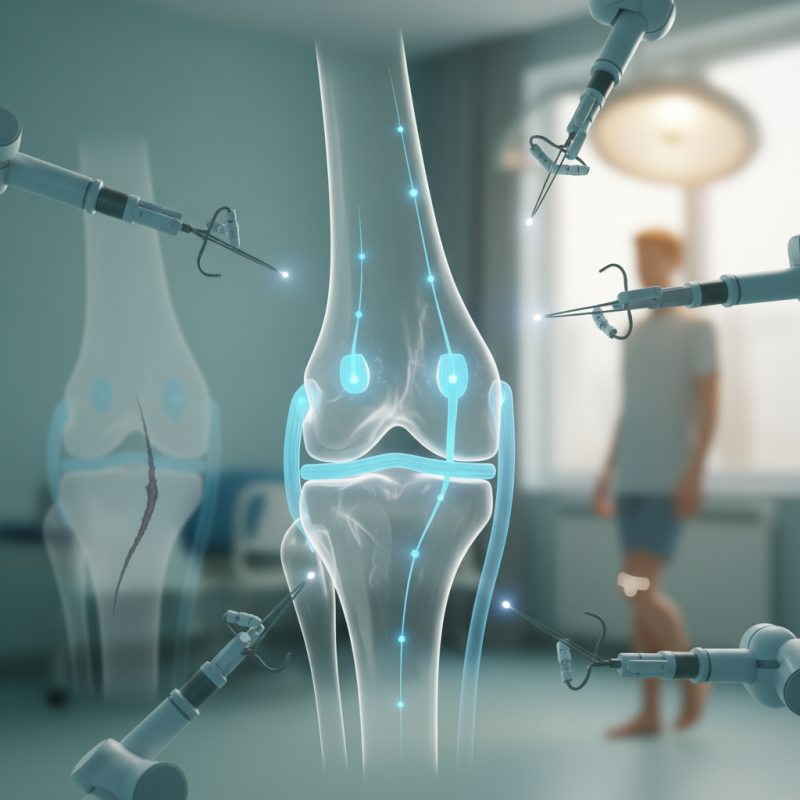
Understanding the benefits of minimally invasive orthopedic surgery (MIO) can transform patient care. Many wonder, what are the benefits of minimally invasive orthopedic surgery? This innovative approach reduces recovery time and minimizes pain. Patients often experience fewer complications compared to traditional surgery.

Surgeons utilize smaller incisions. This precision leads to less tissue damage. As a result, the healing process can become quicker. Many patients return to their daily activities much sooner. Yet, MIO isn't suitable for everyone. Some complex conditions may still require open surgery.

It's important to discuss options with a qualified orthopedic specialist. Their expertise can help identify if MIO is favorable for your situation. Trust in their guidance is crucial. Each patient’s journey is unique, with different factors to consider.
How to Understand the Benefits of Minimally Invasive Orthopedic Surgery?

Overview of Minimally Invasive Orthopedic Surgery Techniques

Minimally invasive orthopedic surgery (MIOS) has transformed the way we approach joint and bone problems. Techniques used in MIOS focus on reducing tissue trauma. Surgeons make smaller incisions, which results in less pain and quicker recovery times. This shift is backed by extensive research, showing lower infection rates compared to traditional methods.

Various techniques fall under the umbrella of MIOS. Arthroscopy is one such method, allowing surgeons to visualize joints with tiny cameras. This is essential for treating conditions like torn ligaments or cartilage damage. Another example is percutaneous procedures, where tools are inserted through small openings to fix fractures. This approach minimizes damage to surrounding tissues.

While MIOS provides many benefits, challenges remain. Not all procedures are suitable for every patient, and complications can arise. It's crucial for patients to engage in discussions with their healthcare providers about expectations and risks. Understanding the nuances of MIOS ensures informed decisions about orthopedic health.

Benefits of Minimally Invasive Orthopedic Surgery

This chart illustrates the various benefits of minimally invasive orthopedic surgery compared to traditional methods, showcasing patient satisfaction, recovery time, and complication rates.

Key Advantages of Minimally Invasive Surgery in Orthopedics

Minimally invasive orthopedic surgery (MIOS) has transformed how procedures are performed. Unlike traditional methods, MIOS utilizes smaller incisions. This technique often leads to quicker recovery times and less pain. According to the Journal of Orthopedic Surgery, patients experience a 50% reduction in recovery time compared to open surgery. This is a significant benefit for individuals looking to return to their daily lives swiftly.

Furthermore, the risk of complications is often lower with MIOS. A study published in the American Journal of Sports Medicine found that the complication rates dropped by nearly 30% when using minimally invasive techniques. This is critical, as lower complication rates can lead to less time spent in rehabilitation programs. Yet, it's essential to consider that not all patients are ideal candidates for such methods. Complex cases may require traditional approaches. Surgeons must evaluate each situation individually to determine the best course of action.

Patient satisfaction is typically higher with MIOS procedures. A survey published in Clinical Orthopaedics and Related Research noted that 85% of patients reported high satisfaction levels post-surgery. The reduced scarring and improved cosmetic outcomes contribute to this happiness. However, patient expectations must be managed. While MIOS offers numerous advantages, it is not a one-size-fits-all approach. Balancing the benefits against individual patient needs is crucial for optimal results.

Comparison of Traditional and Minimally Invasive Surgical Methods

Minimally invasive orthopedic surgery (MIOS) is gaining traction in the medical field. This approach contrasts significantly with traditional methods. Traditional surgery often involves large incisions and longer recovery times. Patients may experience more pain and complications. In contrast, MIOS requires smaller incisions, leading to less trauma.

Studies suggest that patients undergoing MIOS often have quicker recovery. They may also experience less postoperative pain. However, this type of surgery may not be suitable for everyone. Some complex conditions are better treated with traditional methods. Surgeons must assess each case individually.

Minimally invasive techniques require advanced skills and specialized equipment. Not all surgeons may have the necessary training. This raises a question about the consistency of care. Patients should research their options and consult qualified professionals. Understanding both methods can lead to better-informed decisions about treatment.

Common Orthopedic Procedures Using Minimally Invasive Techniques

Minimally invasive orthopedic surgery (MIOS) has transformed how we approach various orthopedic procedures. Techniques such as arthroscopy and endoscopic surgery allow surgeons to operate through small incisions. This leads to less tissue damage and quicker recovery times. Research indicates that patients may see a reduction in hospitalization by up to 50% with MIOS. Many orthopedic surgeons now prefer these methods for conditions like knee or shoulder injuries.

Procedures such as knee arthroscopy and hip resurfacing are common examples of MIOS in action. During knee arthroscopy, surgeons insert a tiny camera and instruments into the joint. This method minimizes scarring and decreases the need for extensive rehabilitation. Patients often report decreased pain levels, as well. Despite these benefits, some situations still require traditional approaches. Not every patient is a candidate for minimally invasive techniques. Injuries with complex anatomy may still necessitate conventional surgery.

Data from the American Academy of Orthopaedic Surgeons (AAOS) shows that minimally invasive procedures can lead to reduced complications. However, not all surgeons are trained in MIOS. Patients must ensure their surgeon has the required expertise. Understanding the context and potential drawbacks of MIOS is vital. These limitations may include longer operation times and the need for specialized equipment. Ensuring a thorough conversation with healthcare providers can help patients make informed decisions.

Factors to Consider for Patients Choosing Minimally Invasive Surgery

When considering minimally invasive orthopedic surgery, patients should assess several crucial factors. One significant aspect is the surgeon's experience. A skilled surgeon can greatly reduce risks and enhance the procedure's success. Look for a professional with a solid track record in specific minimally invasive techniques. Their expertise can make a substantial difference in recovery time and postoperative outcomes.

Another important consideration is the type of procedure needed. Minimally invasive surgery varies widely in approach. Some techniques may not be suitable for all orthopedic issues. Patients must be fully informed about what to expect and whether their condition qualifies for this option. Open dialogue with the healthcare provider is essential. Understand the limitations and possible complications associated with these procedures.

Finally, consider the expected recovery process. Minimally invasive surgeries usually allow for faster recovery, but individual experiences differ. Patients should reflect on their health status and personal circumstances. Each person’s journey is unique. Being realistic about recovery timelines can help manage expectations and prepare for life after surgery.

FAQS

: What is minimally invasive orthopedic surgery (MIOS)?

: MIOS uses smaller incisions than traditional methods. This results in faster recovery and less pain for patients.

How much can recovery time be reduced with MIOS?

Recovery time can be reduced by about 50% compared to open surgery. This helps patients return to daily activities quicker.

Are complication rates lower with minimally invasive techniques?

Yes, complication rates can drop by nearly 30% with MIOS. This results in shorter rehabilitation periods for many patients.

Is MIOS suitable for all patients?

No, not every patient is a good candidate for MIOS. Complex cases may still need traditional surgical methods.

How do patients typically feel after MIOS procedures?

Many patients report high satisfaction levels. This satisfaction often stems from reduced scarring and improved cosmetic results.

What common procedures use minimally invasive techniques?

Knee arthroscopy and hip resurfacing are common examples. These procedures often result in less tissue damage and faster recovery.

Should patients ask about their surgeon's qualifications in MIOS?

Yes, it’s crucial to ensure the surgeon is trained in minimally invasive techniques. This expertise can affect the surgery's outcome.

What are some limitations of MIOS?

Limitations include longer operation times and the need for specialized equipment. It’s important to discuss these with healthcare providers.

Can patients experience pain relief with minimally invasive surgeries?

Many patients report decreased pain levels after these procedures, contributing to their overall satisfaction.

How can patients make informed decisions about MIOS?

Having thorough conversations with healthcare providers can help clarify benefits and risks, enabling informed choices about surgery options.

Conclusion

Minimally invasive orthopedic surgery (MIS) techniques have gained traction due to their numerous advantages over traditional surgical methods. These techniques involve smaller incisions, which not only reduce tissue damage but also promote quicker recovery times, less post-operative pain, and minimal scarring. What are the benefits of minimally invasive orthopedic surgery? Key advantages include shorter hospital stays, decreased risk of infection, and a faster return to daily activities, making them particularly appealing to patients seeking effective treatment with less disruption to their lives.

When comparing traditional and minimally invasive surgical methods, the latter often shows superior outcomes in terms of patient satisfaction and rehabilitation. Common procedures using MIS techniques include arthroscopy, joint replacements, and spinal surgeries. For patients contemplating surgical options, it is essential to consider the specific benefits of minimally invasive surgery, along with potential risks and individual health factors, to make an informed decision about their orthopedic care.

Liam

Liam

Liam is a dedicated marketing professional with a profound expertise in the industry, where he excels at highlighting the unique advantages of our core products. With a keen understanding of market trends and consumer needs, Liam frequently updates our company’s professional blog, providing......