Clerivida Medical
Explore our elite selection of high-precision implants, specialized surgery machinery, and advanced biological fixation components manufactured under ISO 13485 oversight.
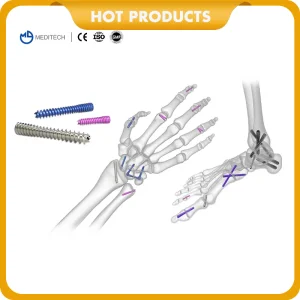
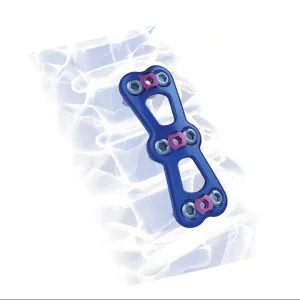
Cortical bone screws serve as the bedrock of modern internal fracture fixation. Designed to secure plates or osteotomy configurations within dense cortical bone structures, these medical components require absolute mechanical integrity. The dense, lamellar structure of diaphyses demands a thread design specifically engineered to resist high shear, pull-out forces, and torsional load.
The selection of raw materials defines the long-term biocompatibility and load-bearing performance of orthopedic implants. At Guangzhou Clerivida Medical Co., Ltd., we utilize premium bio-grade alloys to manufacture cortical bone screws that resist corrosion and stress shielding:
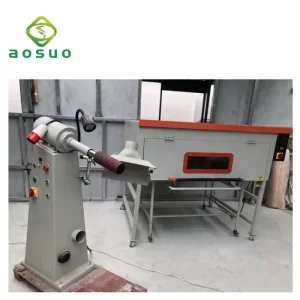
Explore the clinical precision, mechanical tolerances, and extensive quality control measures built into Guangzhou Clerivida's advanced medical production lines.
We process ultra-precise titanium rods utilizing multi-axis Swiss-type automatic lathe systems. This guarantees dimensional tolerances within ±0.005mm, which ensures consistency in thread pitch and drive recess profiles.
Every bone screw undergoes automated ultrasonic cleaning and chemical passivation. This builds a dense, corrosion-resistant chromium-oxide or titanium-dioxide layer that prevents the release of metallic ions into human tissue.
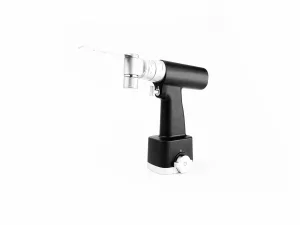
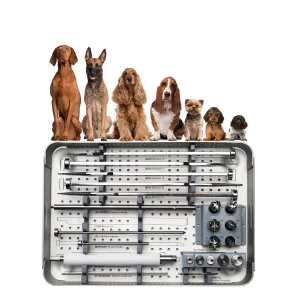
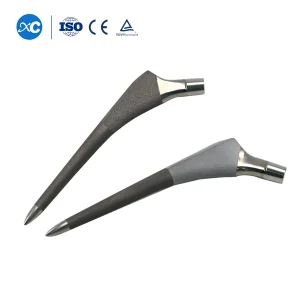
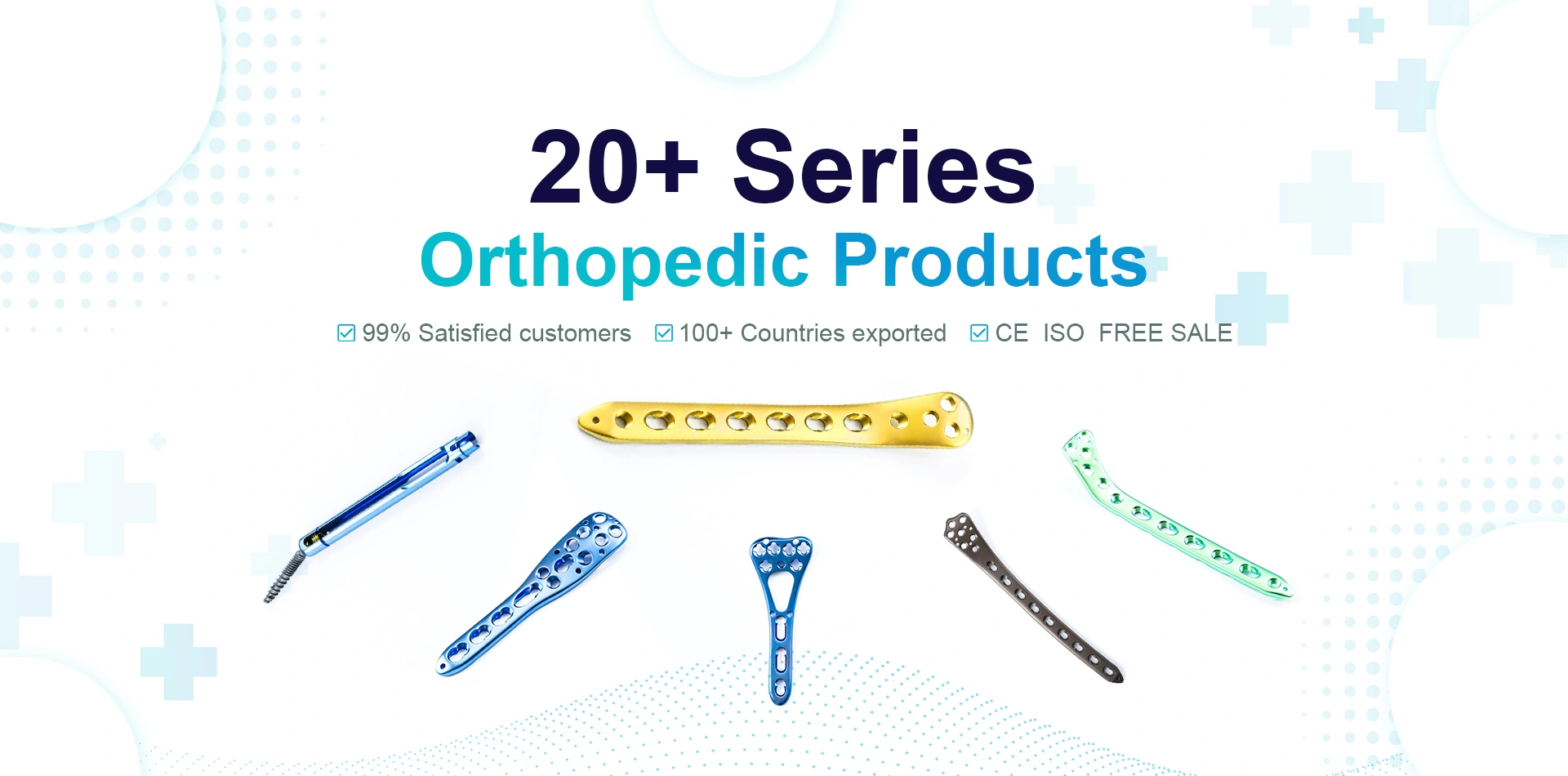
Guangzhou Clerivida Medical Co., Ltd. has developed 11 comprehensive orthopedic product series over 18 years, including trauma fixation, spinal fusion, CMF plates, power tools, and veterinary orthopedic solutions.
As the medical device industry shifts toward high-efficiency production lines, China has developed into a premier hub for orthopedics manufacturing. Guangzhou Clerivida Medical Co., Ltd. leverages the localized industrial clusters of the Pearl River Delta to offer end-to-end supply chain integration.
This localized supply chain reduces lead times for complex titanium implants to 3–4 weeks. By integrating raw material sourcing, multi-axis machining, biological testing, and ISO-certified cleanroom packaging, we minimize intermediate logistical overheads, yielding up to 35% cost optimization compared to Western suppliers without compromising mechanical or regulatory standards.
We provide full documentation and compliance dossiers including ISO 13485, CE, and FDA filings. This allows clinical partners and distributors in North America, Europe, and Latin America to rapidly register and scale their orthopedic lines. Our dedicated OEM/ODM division regularly adapts cortical screw thread pitches, drive heads (such as Torx, hexagonal, or cruciate drives), and surface colors to match specific proprietary trauma plates.
Below are the standard structural specifications for our premium medical cortical bone screws, manufactured in compliance with international surgical protocols.
| Nominal Thread Diameter (mm) | Core/Inner Diameter (mm) | Standard Pitch (mm) | Drive Connection Type | Material Grade Options | Primary Clinical Application |
|---|---|---|---|---|---|
| 1.5 mm | 1.0 mm | 0.50 mm | Cruciate / Torx T6 | Ti-6Al-4V ELI / 316L | CMF Maxillofacial, Hand, and Foot Surgery |
| 2.0 mm | 1.3 mm | 0.60 mm | Hexagonal 1.5 / Torx T8 | Ti-6Al-4V ELI / 316L | Distal Radius, Small Fragment Internal Fixation |
| 2.7 mm | 2.0 mm | 1.00 mm | Hexagonal 2.5 / Torx T10 | Ti-6Al-4V ELI / 316L | Fibula Fixation, Small Fragment Bone Plates |
| 3.5 mm | 2.4 mm | 1.25 mm | Hexagonal 2.5 / Torx T15 | Ti-6Al-4V ELI / 316L | Humeral and Tibial Shaft Trauma Plating |
| 4.5 mm | 3.0 mm | 1.75 mm | Hexagonal 3.5 / Torx T20 | Ti-6Al-4V ELI / 316L | Femoral Shaft Fracture, Large Fragment Plates |
The interface between synthetic medical metals and dynamic biological tissue demands continuous technological evolution. Today, the global orthopedic industry is focusing on smart coatings and structures that promote faster osseointegration and limit surgical complications like screw loosening or infection.
Orthopedic surgeons choose between unicortical (engaging only the near cortex of the bone shaft) and bicortical (engaging both the near and far cortices) fixation. Bicortical fixation provides substantially higher pull-out strength and structural rigidity, making it the standard for load-bearing diaphyseal fractures. However, it requires highly precise depth measurements to ensure the screw tip protrudes approximately 1.5 to 2 mm beyond the far cortex, preventing soft tissue irritation. Guangzhou Clerivida's self-tapping cortical screws feature clean cutting flutes that reduce heat buildup during insertion, protecting the surrounding osteocytes from thermal necrosis.
Standard titanium screws have excellent biocompatibility, but modern trauma settings benefit from enhanced surfaces. Type II anodization processes increase surface hardness, which minimizes the risk of cold welding when locking screws into compression plates. Furthermore, developing bioactive coatings, such as hydroxyapatite (HA) or nano-engineered titanium oxide structures, allows for improved biological anchoring directly to the cortical bone structure. This reduces micro-motion and long-term device failure rates in patients with compromised bone density, such as geriatric patients.
In pediatric and select sports medicine applications, the demand for temporary internal fixation has fueled the development of bioresorbable cortical screws. Composed of magnesium alloys or polymers like PLLA (Poly-L-lactic acid) and PLGA, these implants support the bone during the healing process and gradually degrade, eliminating the need for a secondary retrieval surgery.
Expert answers addressing the clinical properties, manufacturing tolerances, regulatory standards, and supply chain logistics of cortical bone screws.
Cortical bone screws are designed for hard, high-density cortical bone. They feature a smaller pitch, shallower thread depth, and a larger core diameter to maximize shear resistance and thread contact in dense bone. Cancellous screws are designed for porous, trabecular bone, featuring a wider pitch and deeper threads to grip soft bone structures securely.
We source medical-grade Titanium Alloy (Ti-6Al-4V ELI) conforming to ASTM F136 and pure 316L Stainless Steel conforming to ASTM F138. All raw material batches undergo chemical analysis and mechanical testing before entering our precision Swiss-type CNC machining lines.
We manufacture both options. Self-tapping screws have pre-cut cutting flutes at the tip to cut their own thread track as they are inserted. Self-drilling screws can penetrate bone without pre-drilling. For dense cortical bone, pre-drilling combined with a self-tapping screw is clinically preferred to minimize mechanical strain and avoid thermal necrosis.
Guangzhou Clerivida Medical Co., Ltd. holds ISO 13485:2016 Quality Management Certification for Medical Devices. Our product lines meet CE and international regulatory standards, supporting cleanroom packaging protocols and sterile supply chains globally.
Yes. We offer complete OEM/ODM customization services. We can adjust the screw diameter, length, thread pitch, drive recess (Hex, Torx, Star), and surface finish (Type II anodization, color coding) according to your technical drawings and clinical requirements.
We ensure micro-tolerances during CNC machining to prevent gaps between the plate and screw head. Locking cortical screws feature threads under the screw head that lock securely into the plate's dynamic compression holes, forming a rigid fixed-angle construct.
Standard products in stock ship within 5-7 business days. Custom OEM orders or large bulk runs typically require 20 to 35 days, including CNC programming, precision tooling, cleaning, passivation, and sterilized packaging validation.
Every batch undergoes cytotoxicity, sensitization, and intracutaneous reactivity tests in compliance with ISO 10993 biological evaluation standards. Our ultra-clean wash cycles remove all machining oils, particulate matter, and bacterial endotoxins.
Explore our broader medical equipment catalog, featuring advanced diagnostic tools, customized clinic machinery, and auxiliary clinical hardware.