Explore our range of professional surgical instruments, rehabilitation tools, and sterile device designs engineered to complete your clinical pipeline.

The global hip replacement market is undergoing a significant transition driven by a dual-force demographic: an aging global population requiring long-term structural mobility solutions, and a growing segment of younger, highly active individuals seeking joint preservation. As a result, the commercial demand for total hip arthroplasty (THA) components—including femoral stems, acetabular cups, modular heads, and polyethylene liners—has surged. Industry analysts project the global joint reconstruction market to expand at a compound annual growth rate (CAGR) exceeding 5.2% over the next decade.
In this competitive environment, healthcare providers, orthopedic distributors, and OEM buyers require products that demonstrate absolute biocompatibility, wear resistance, and long-term stability. The shift from standardized configurations to custom, patient-matched implant architectures has forced manufacturers to implement advanced technologies. From porous titanium structures that mimic human trabecular bone to ultra-high-molecular-weight polyethylene (UHMWPE) cross-linked with antioxidant stabilizers (like Vitamin E), material science is defining clinical success rates.
Guangzhou Clerivida Medical Co., Ltd. is a leading manufacturer specializing in orthopedic implants and surgical instruments, offering a comprehensive model of research and development, production, sales, and export. The company has established a perfect quality management system and advanced production capabilities, ensuring every product meets international standards.
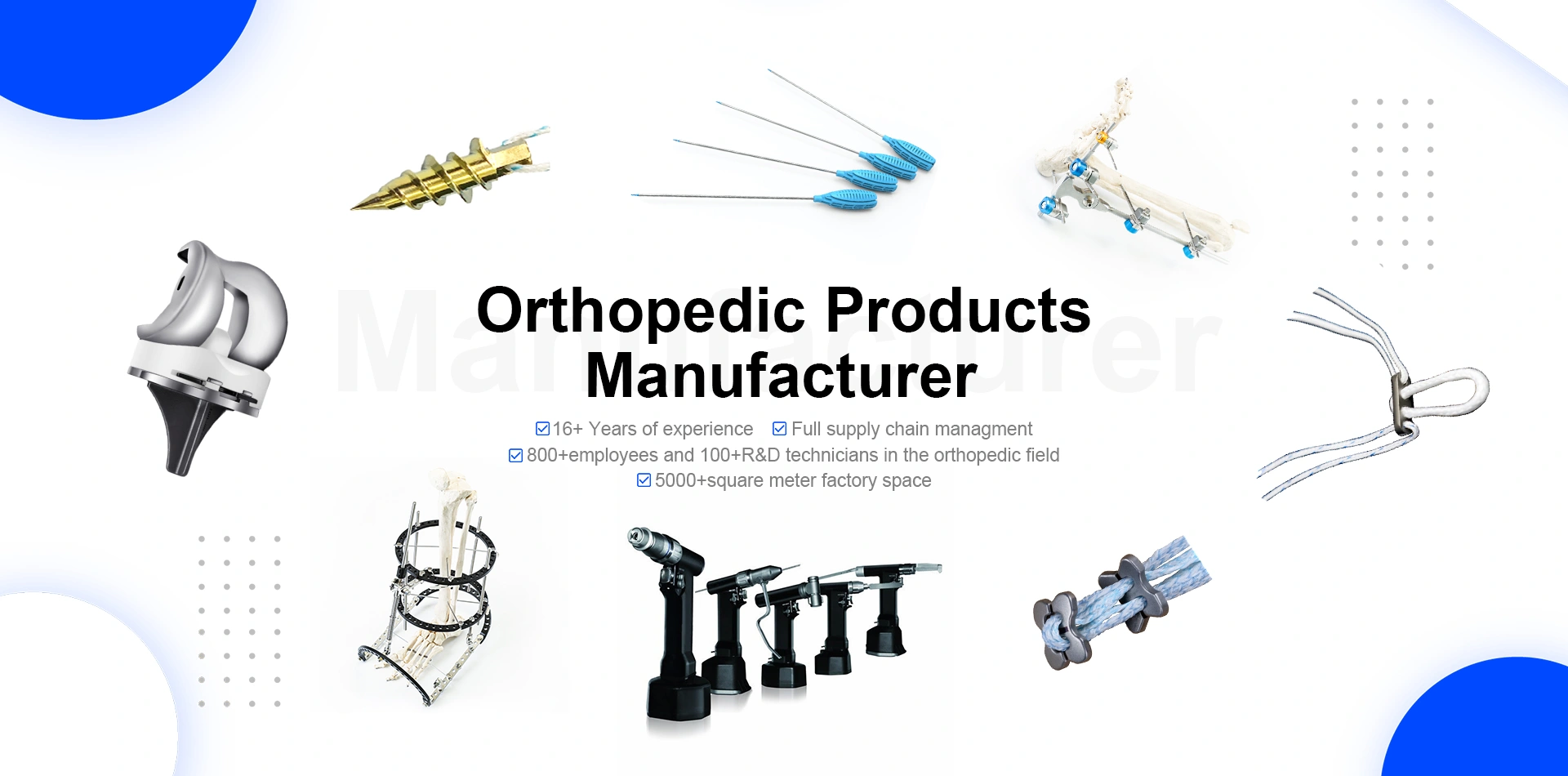
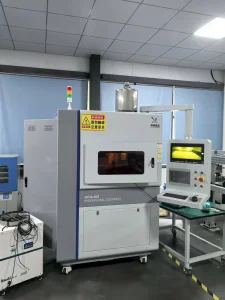
Fig 1: Clerivida Precision CNC Machining & Micro-Tolerancing Operations.
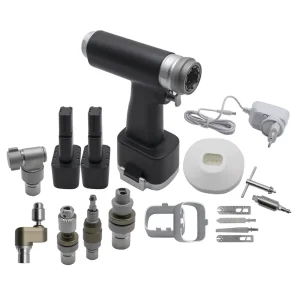
With over 18 years of dedicated research and development, Clerivida has developed 11 main product series, including spinal systems, intramedullary nail systems, trauma plates and screws, locking plates and screws, CMF maxillofacial systems, external fixation devices, joint replacement systems, medical power tools, general surgical instrument sets, sterilization boxes & baskets, and veterinary orthopedic solutions. Each series is designed with precision, safety, and innovation in mind, catering to diverse medical applications globally.
Guided by the principle of "quality first, service first, R&D first, innovation first," the company has earned an excellent reputation both domestically and internationally. Customer satisfaction remains the cornerstone of Clerivida’s service philosophy, emphasizing sincere service, continuous improvement, attention to detail, and integrity. With a professional after-sales team and a pioneering spirit, Clerivida continues to provide reliable, high-quality orthopedic solutions while building long-term partnerships with clients worldwide.
Our production facilities utilize modern machinery and multi-axis CNC milling machines to guarantee sub-micron tolerances for articulating joints. We enforce a robust quality assurance protocol that oversees everything from raw material verification to cleanroom packaging and final gamma sterilization. By controlling the entire manufacturing pipeline, Clerivida serves as a reliable OEM/ODM partner for medical device brands worldwide, offering scalable production capacities that support competitive market entries.
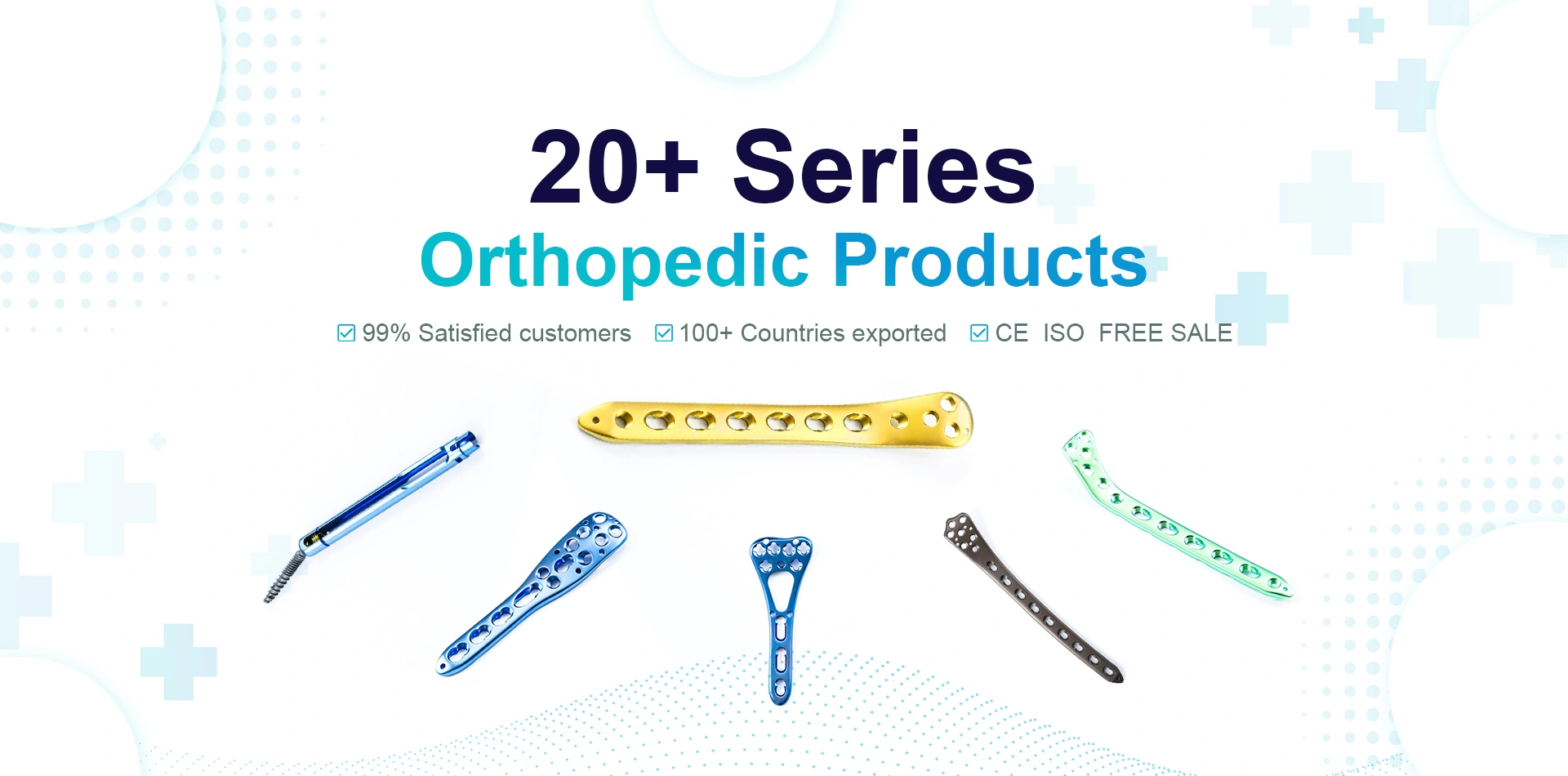
Fig 2: Clerivida ISO Class 7 Cleanroom & Sterility Packaging Station.
Achieving long-term implant survival rates in total hip replacement requires careful engineering of matching components. Our OEM engineering pathway covers every stage of development, from raw material procurement to clinical deployment.
We import medical-grade titanium alloys (Ti-6Al-4V ELI, ASTM F136) and cobalt-chromium-molybdenum (CoCrMo) alloys. This ensures the structural integrity, corrosion resistance, and fatigue life necessary for load-bearing skeletal joints.
Using Electron Beam Melting (EBM) and high-speed CNC milling, we manufacture acetabular shells with porous, interconnected structures. This mimics natural bone trabeculae to promote secure, cementless fixation.
Stems and cups are treated with Plasma Spray Hydroxyapatite (HA) or titanium plasma coatings. This dual coating accelerates osseointegration, establishing a strong biological bond between the host bone and the implant.
The articulating surfaces of our femoral heads and inserts undergo mirror polishing down to nanometer-scale roughness. This reduces friction and minimizes plastic deformation, significantly extending the lifespan of the implant.
We manufacture to tight physical tolerances, ensuring compatibility between modular femoral heads, acetabular liners, and stems.
| Component Group | Material Configuration | Surface Treatment Type | Size / Dimensional Range | Compliance Standards |
|---|---|---|---|---|
| Femoral Stem (Cementless) | Ti-6Al-4V ELI (ASTM F136) | Proximal HA / Titanium Plasma Spray | Standard Sizes 1 - 12 (125/135 deg) | ISO 7206, ASTM F2996 |
| Acetabular Shell (Porous) | Pure Titanium / Ti Alloy | 3D Printed Porous Trabecular structure | Outer Diameter 44mm - 66mm | ISO 13485, ASTM F3001 |
| Modular Femoral Head | CoCrMo Alloy / Zirconia Ceramic | Superfinished Mirror Polished (Ra < 0.01µm) | Diameter 22, 28, 32, 36, 40mm | ISO 7206-2, ASTM F799 |
| Acetabular Liner | UHMWPE / Cross-Linked (XLPE) | Gamma Irradiation Cross-linking | ID Match 22-40mm; OD Match Cup Size | ASTM F648, ISO 5834-2 |
We provide full customization, supporting custom logo laser marking, bespoke surgical tool sets, and non-standard sizing. This helps medical distributors tailor systems to their specific market preferences.
All implants are cleaned and packaged in ISO Class 7 cleanrooms using double-sterile barrier Tyvek pouch systems. This ensures products remain sterile throughout transit and storage.
We assist our international buyers with comprehensive registration support, offering detailed material certificates, cleanroom validation data, and mechanical fatigue test reports to streamline local compliance.
Choosing Clerivida as your OEM manufacturer gives B2B buyers access to a complete range of orthopedic systems that complement our core joint replacements. Rather than sourcing from multiple vendors, distributors can package their hip implants alongside Clerivida’s specialized spinal systems, trauma locking plates, surgical power tools, and high-durability sterilization boxes. This single-source procurement model improves compatibility across devices, simplifies logistics, and lowers overall shipping and tariff costs.
In addition, our veterinary orthopedic solution series extends our human-grade manufacturing standards to the veterinary field. As clinical requirements for animal joint reconstructions grow, we offer scaled canine hip replacement systems using the same premium materials and micro-tolerances. Backed by 18 years of clinical expertise, Clerivida provides partners with a versatile, high-quality portfolio that meets the demands of both human and veterinary orthopedic markets.
Find quick answers regarding our custom design capacities, material certifications, minimum order quantities (MOQ), and shipping policies.
Browse our selection of specialized implants, diagnostic tools, and surgical instruments designed for modern hospitals and healthcare providers.
 Clerivida Medical