Explore our highly certified surgical devices and instruments engineered for precision fixation
Evaluating clinical biomechanics, localized anatomical configurations, and quality management protocols for spine surgeons and global distributors.
Cervical Laminoplasty has long been established as a gold-standard surgical approach for treating multi-level Cervical Spondylotic Myelopathy (CSM) and Ossification of the Posterior Longitudinal Ligament (OPLL). By creating an expansile reconstruction of the spinal canal rather than full decompression through laminectomy, surgeons can preserve motion segment stability, minimize post-operative kyphosis, and prevent perineural scarring. Integral to the success of this dynamic procedure is the choice of implant. A CE Certified Laminoplasty Plate System provides critical structural support on the open side of the lamina, preventing closure of the decompressed canal and ensuring rapid bony fusion under stable biomechanical environments.
The core objective of any modern cervical laminoplasty system is to achieve secure fixation of the elevated lamina while maintaining a low-profile construct that reduces post-operative neck pain caused by soft tissue irritation. Leading titanium plate systems incorporate several critical engineering designs:
Constructed with plate thicknesses ranging from 1.5mm to 1.8mm. This thin footprint minimizes the impingement on surrounding paraspinal muscles (such as the semispinalis cervicis), accelerating recovery and mitigating chronic axial pain post-decompression.
Pre-shaped configurations including standard plates, hinge-side stabilizing plates, and spinous-process grafting plates. Our engineering roadmap leverages clinical CT-scan mapping to align the plate template with the typical hinge line angle of diverse demographics.
A locking interface between the screw head and the plate structure prevents screw backout—a severe complication in posterior cervical constructs where micro-motion from continuous neck rotation occurs daily.
From a metallurgic perspective, medical-grade titanium alloy (Ti-6Al-4V ELI) remains the material of choice due to its high fatigue strength, exceptional biocompatibility, and low elastic modulus compared to stainless steel. This decreases stress-shielding at the osteotomy margins, encouraging faster bone growth across the autogenous or synthetic bone spacer.
Anatomical profiles exhibit high regional variance, necessitating custom engineering and diverse implant sizes for different demographics. For example, East Asian patients typically show a higher prevalence of OPLL but possess smaller cervical spine structures compared to North American or European cohorts. When exporting to varied markets, our factories configure systems to accommodate:
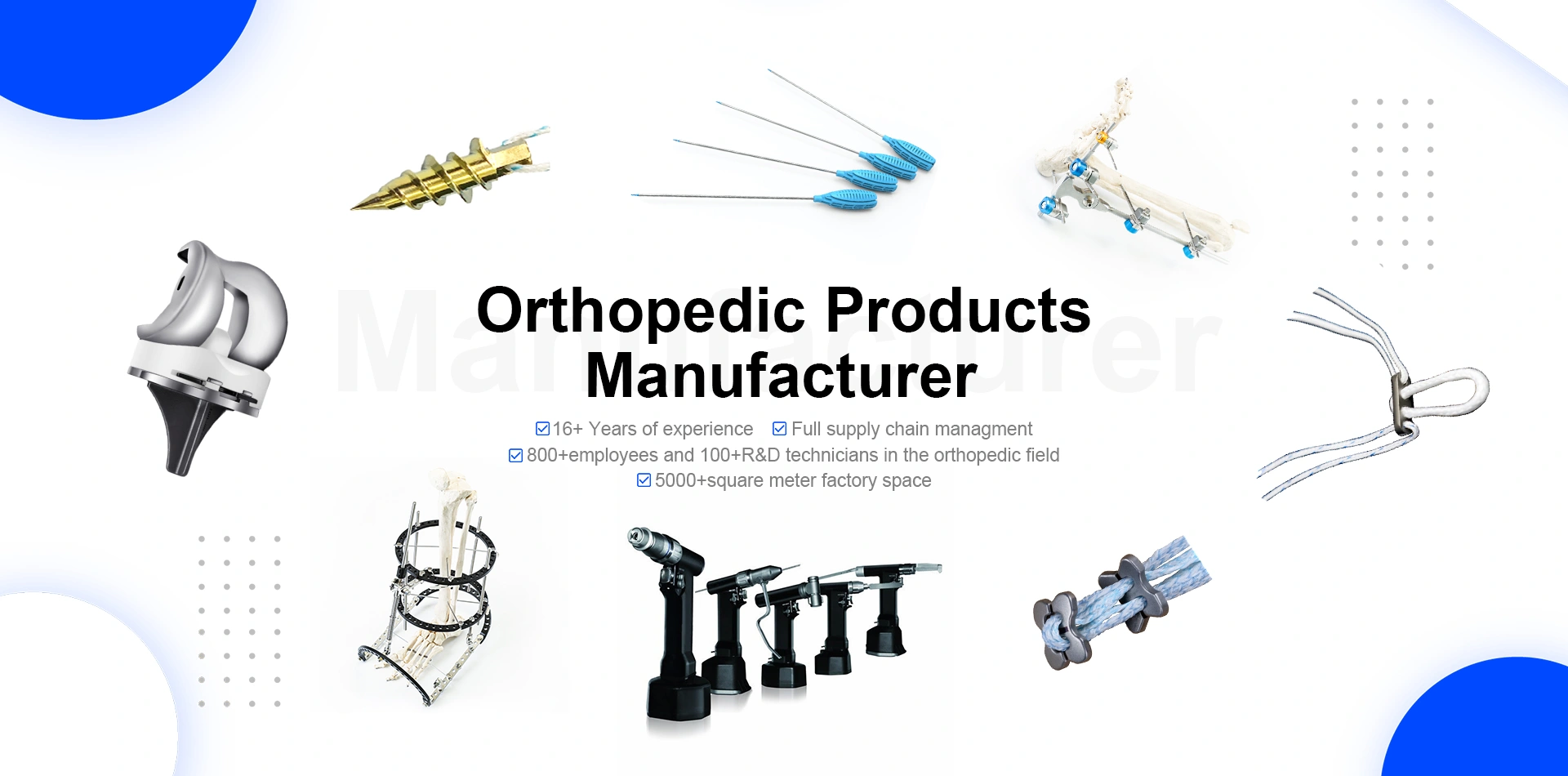
Guangzhou Clerivida Medical Co., Ltd. is a leading manufacturer specializing in orthopedic implants and surgical instruments, offering a comprehensive model of research and development, production, sales, and export. The company has established a perfect quality management system and advanced production capabilities, ensuring every product meets international standards.
As a global supplier, Clerivida integrates raw titanium sourcing, high-precision CAD engineering, 5-axis CNC Swiss-type milling, and electrochemical anodization. China’s orthopedic supply chain offers substantial cost-efficiencies and delivery time reductions while strictly maintaining ISO 13485 and CE MDR standards.
With over 18 years of dedicated research and development, Clerivida has developed 11 main product series, including spinal systems, intramedullary nail systems, trauma plates and screws, locking plates and screws, CMF maxillofacial systems, external fixation devices, joint replacement systems, medical power tools, general surgical instrument sets, sterilization boxes & baskets, and veterinary orthopedic solutions. Each series is designed with precision, safety, and innovation in mind, catering to diverse medical applications globally.
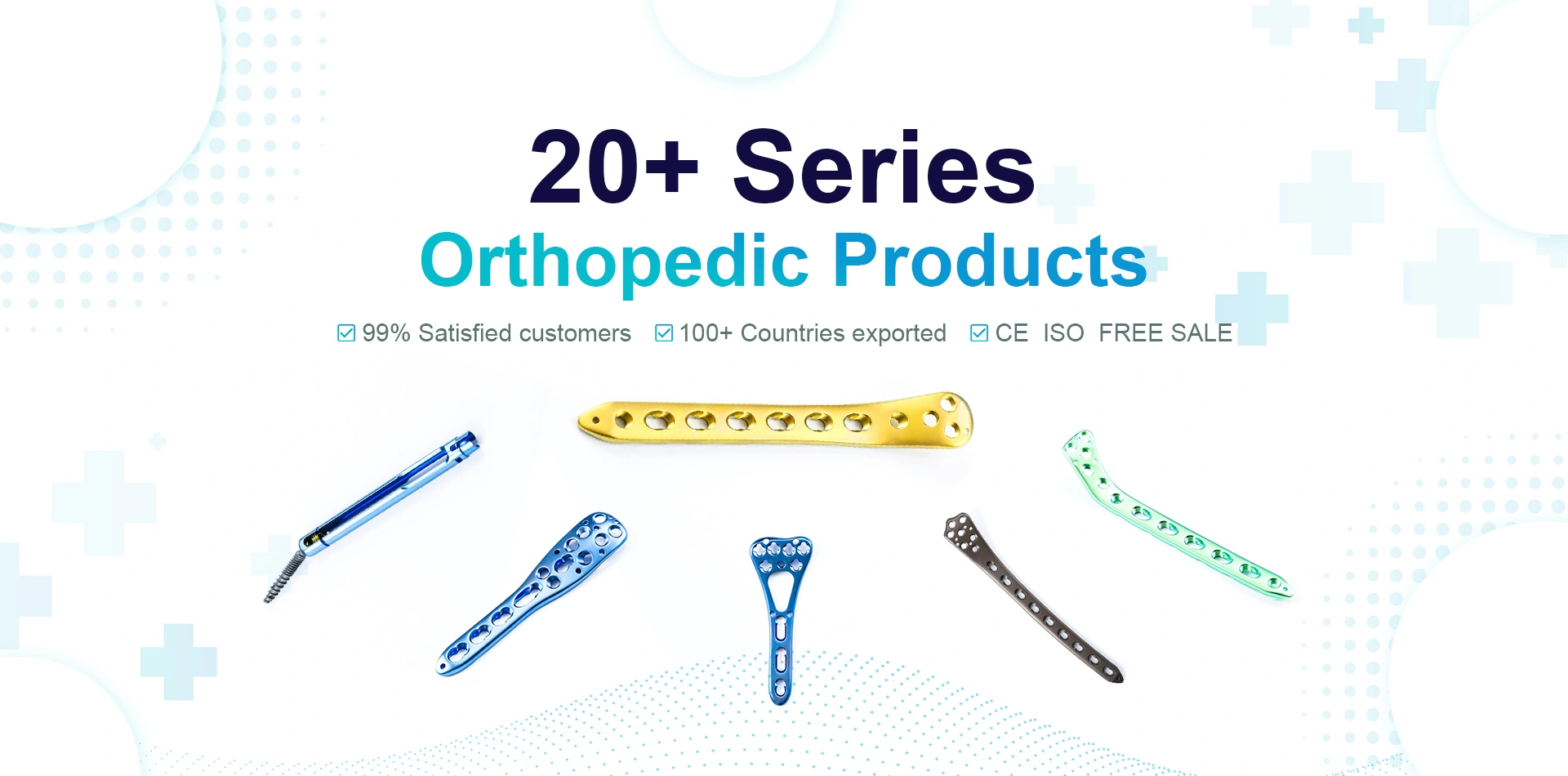
Guided by the principle of "quality first, service first, R&D first, innovation first," the company has earned an excellent reputation both domestically and internationally. Customer satisfaction remains the cornerstone of Clerivida’s service philosophy, emphasizing sincere service, continuous improvement, attention to detail, and integrity.
With a professional after-sales team and a pioneering spirit, Clerivida continues to provide reliable, high-quality orthopedic solutions while building long-term partnerships with clients worldwide. The company remains committed to innovation, excellence, and advancing the orthopedic medical industry.
Explore our diverse range of precision-manufactured orthopedic tools, implants, and specialty fittings
 Clerivida Medical