Clinical-grade surgical instrumentation and orthopedic implant solutions supporting worldwide spine fixation procedures.
The craniocervical junction (CCJ) is a complex anatomical zone susceptible to instability arising from severe trauma, rheumatoid arthritis, primary or metastatic neoplasms, and congenital osseous malformations. In cases where the integrity of this junction is compromised, posterior surgical arthrodesis is required to prevent spinal cord compression and restore mechanical load distribution.
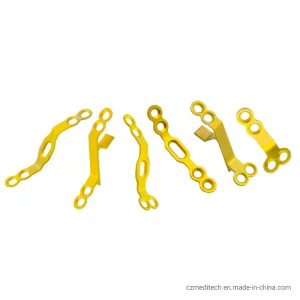
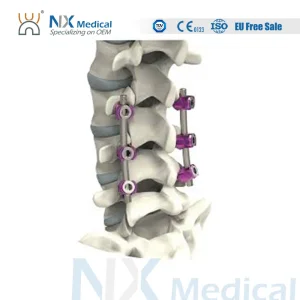
The Occipital Plate System is engineered to deliver stable occipitocervical fixation (OCF). Designed as a central anchor, it interfaces directly with the thickest areas of the occipital bone (primarily the external occipital protuberance) while bridging to the subaxial cervical spine via polyaxial screws and dynamic rods. A high level of manufacturing precision is essential to minimize intracranial penetration risks and mechanical hardware failure.
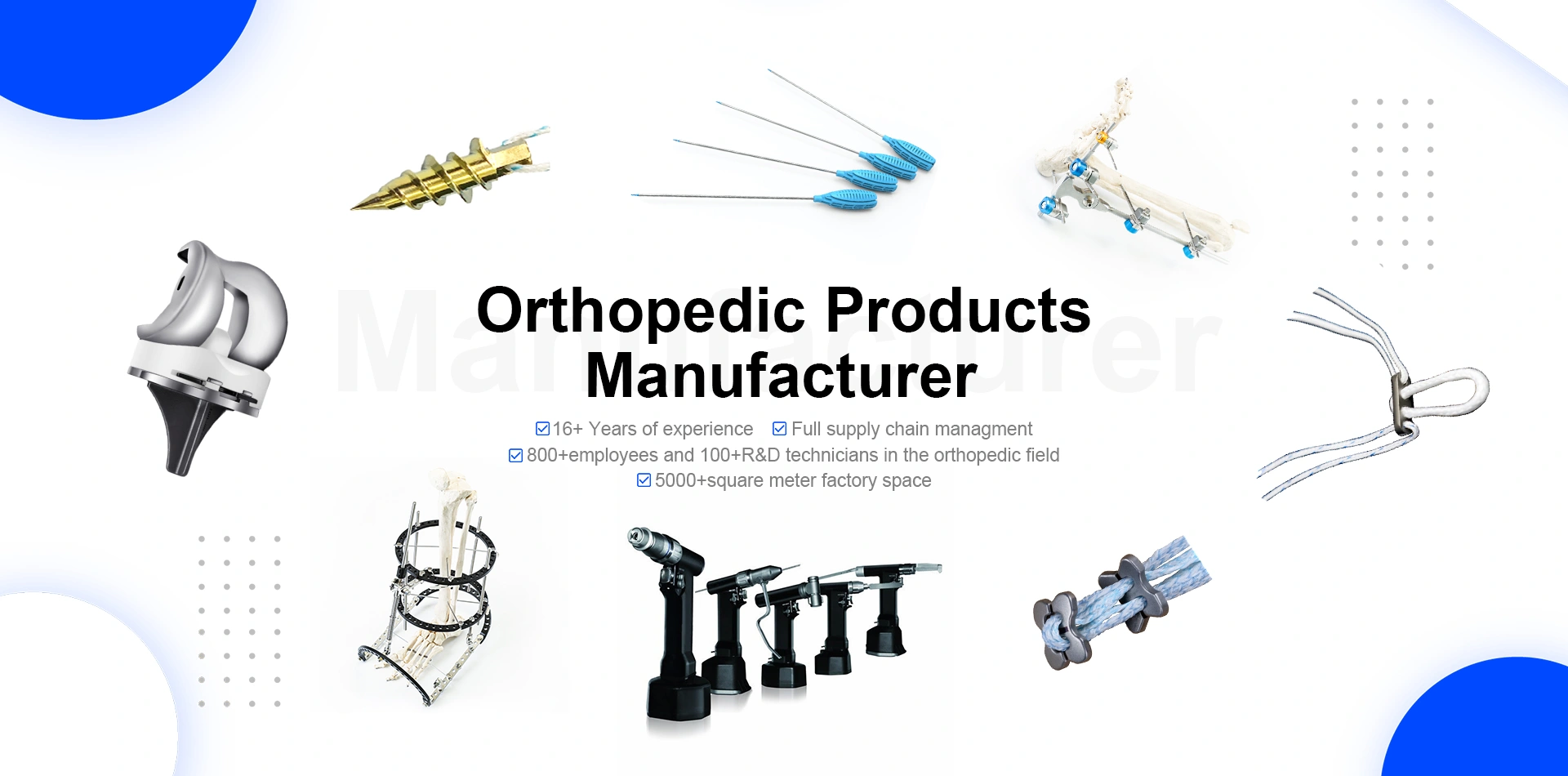
Exploring the clinical demands, regulatory structures, and procurement dynamics of modern spinal arthrodesis systems.
Surgical trends emphasize maintaining physiological alignment while achieving rigid internal fixation. Modern implants must support navigation-guided placement and custom rod bending to adapt to complex craniocervical geometry without generating construct tension.
Medical-grade Titanium Alloy (Ti-6Al-4V ELI) conformant to ASTM F136 remains the clinical gold standard due to its high fatigue strength, biocompatibility, and low magnetic resonance imaging (MRI) distortion.
Exporting orthopedic systems requires strict compliance with international standards, such as ISO 13485 certification, CE (MDR) certifications in Europe, and NMPA approvals in China, to verify material tracing and mechanical performance.
| Feature Parameter | Technical Specification (Standard) | Clinical / Procurement Value |
|---|---|---|
| Base Material | Titanium Alloy Ti-6Al-4V ELI (ASTM F136) | Biocompatible, high fatigue resistance, minimal artifacting on MRI scans. |
| Plate Thickness | 1.8 mm to 2.2 mm low-profile design | Mitigates soft-tissue friction, reducing risk of wound breakdown at base of skull. |
| Screw Path Compatibility | Occipital Screws: Ø3.5mm - Ø4.5mm (Self-tapping) | Accommodates variations in patient occipital bone thickness (median thickness of 12-15mm). |
| System Certifications | ISO 13485, CE Medical Devices Directive compliance | Ensures regulatory compliance for distribution across global healthcare systems. |
| Testing Protocols | Static & Dynamic Fatigue Testing (ASTM F1717 / ASTM F2706) | Ensures long-term structural integrity against physiological bending and torsion forces. |
Why global orthopedic distributors choose Chinese high-tolerance manufacturing partners for spinal fixation systems.
Chinese production lines utilize Swiss-type multi-axis longitudinal CNC lathes to achieve micron-level tolerances required for orthopedic implants, ensuring consistent product dimensions and threads.
Proximity to raw material suppliers, packaging facilities, and surface treatment services (anodizing, passivation) minimizes handling times and transportation delays across production stages.
By optimizing manufacturing operations and utilizing automated testing, China-based manufacturers provide high-quality orthopedic implants at a lower cost per unit, helping distributors manage budgets effectively.
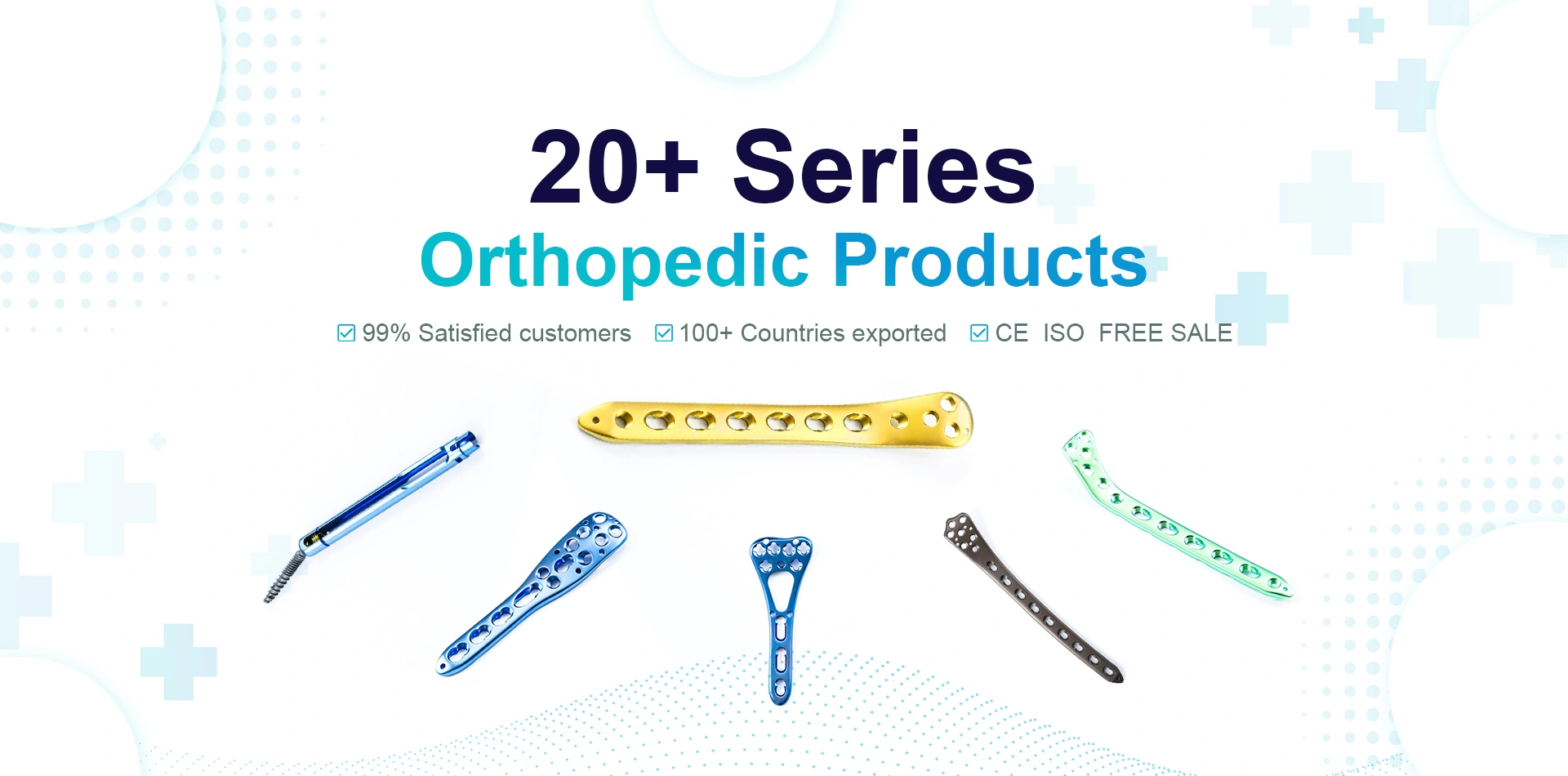
Guangzhou Clerivida Medical Co., Ltd. is a leading manufacturer specializing in orthopedic implants and surgical instruments, offering a comprehensive model of research and development, production, sales, and export. The company has established a perfect quality management system and advanced production capabilities, ensuring every product meets international standards.
With over 18 years of dedicated research and development, Clerivida has developed 11 main product series, including spinal systems, intramedullary nail systems, trauma plates and screws, locking plates and screws, CMF maxillofacial systems, external fixation devices, joint replacement systems, medical power tools, general surgical instrument sets, sterilization boxes & baskets, and veterinary orthopedic solutions. Each series is designed with precision, safety, and innovation in mind, catering to diverse medical applications globally.
Guided by the principle of "quality first, service first, R&D first, innovation first," the company has earned an excellent reputation both domestically and internationally. Customer satisfaction remains the cornerstone of Clerivida’s service philosophy, emphasizing sincere service, continuous improvement, attention to detail, and integrity.
With a professional after-sales team and a pioneering spirit, Clerivida continues to provide reliable, high-quality orthopedic solutions while building long-term partnerships with clients worldwide. The company remains committed to innovation, excellence, and advancing the orthopedic medical industry.
Aligning structural designs with specific clinical challenges encountered in operating rooms worldwide.
High-energy trauma causing atlantoaxial dislocation requires immediate stabilization. The occipital plate system acts as a rigid anchor, providing immediate mechanical control of flexion, extension, and rotation while bone graft healing takes place.
Severe cranial settling and bone destruction in rheumatoid patients require stable long-term constructs. Low-profile plates with multiple screw options help manage poor bone quality near the occiput.
For patients undergoing metastatic tumor resection of the upper cervical spine, the system provides mechanical support to maintain alignment when the anterior column's weight-bearing structure is lost.
The field of spinal orthopedics is moving toward patient-specific solutions and digital integration. Below are key trends transforming manufacturing requirements for occipital fixation systems:
A guide for clinical distributors, purchasing groups, and OEMs evaluating manufacturing partners in China.
Always verify raw material certificates. Suppliers should provide heat numbers and material validation records for every batch of medical-grade titanium (ASTM F136) used in production.
Confirm the system has completed testing under ASTM F1717 or ASTM F2706 standards, ensuring it can withstand dynamic physiological loads without premature failure.
Select a partner capable of manufacturing custom implants, adapting plate geometries, or altering screw lengths and diameters to meet localized market preferences.
Answers to common clinical, technical, and supply chain questions about posterior craniocervical fixation solutions.
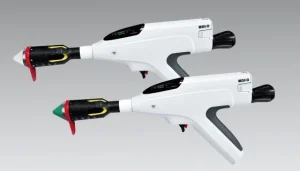
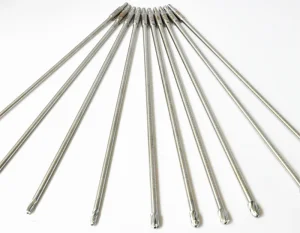
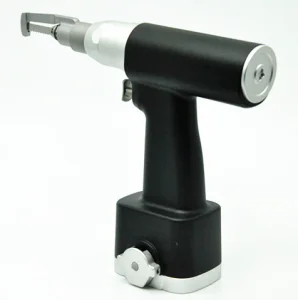
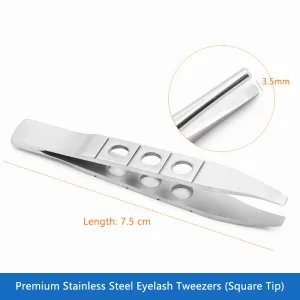
A selection of medical instruments, surgical staplers, and power tools supporting general and orthopedic procedures.
 Clerivida Medical