Explore our key specialized orthopedic instruments, biocompatible manufacturing technologies, and system components exported globally.
The global orthopedic market has experienced a significant paradigm shift in fracture fixation methodology over the last two decades. Intramedullary (IM) nailing has firmly established itself as the gold standard for stabilizing diaphyseal fractures of long bones. By acting as a load-sharing internal splint, IM nails allow for early mobilization and weight-bearing, which dramatically reduces clinical complications associated with prolonged bed rest, such as deep vein thrombosis and muscle atrophy.
From an industrial standpoint, the manufacturing of intramedullary nail systems involves high-precision medical engineering. Key hubs of manufacturing, dominated by ISO 13485 certified facilities, leverage advanced CNC swiss-type machining, robotic finishing, and color anodization to meet the strict structural demands of load distribution. Rapid clinical adoption in emerging healthcare sectors, combined with expanding trauma centers and Ambulatory Surgical Centers (ASCs) globally, has propelled the compound annual growth rate (CAGR) of this sector to record levels. The demand is particularly pronounced for intramedullary nails tailored to the femur, tibia, and humerus, where mechanical integrity must be maintained under cyclical loading patterns.
Clinical Insight: The mechanical efficacy of intramedullary nailing relies heavily on the concept of biological osteosynthesis. Unlike rigid plating systems that disrupt periosteal blood supply and rely on primary healing, intramedullary nails respect the soft tissue envelope and induce callus formation through micromotion (secondary healing), yielding accelerated bone remodeling.
Guangzhou Clerivida Medical Co., Ltd. is a leading manufacturer specializing in orthopedic implants and surgical instruments, offering a comprehensive model of research and development, production, sales, and export. The company has established a perfect quality management system and advanced production capabilities, ensuring every product meets international standards.
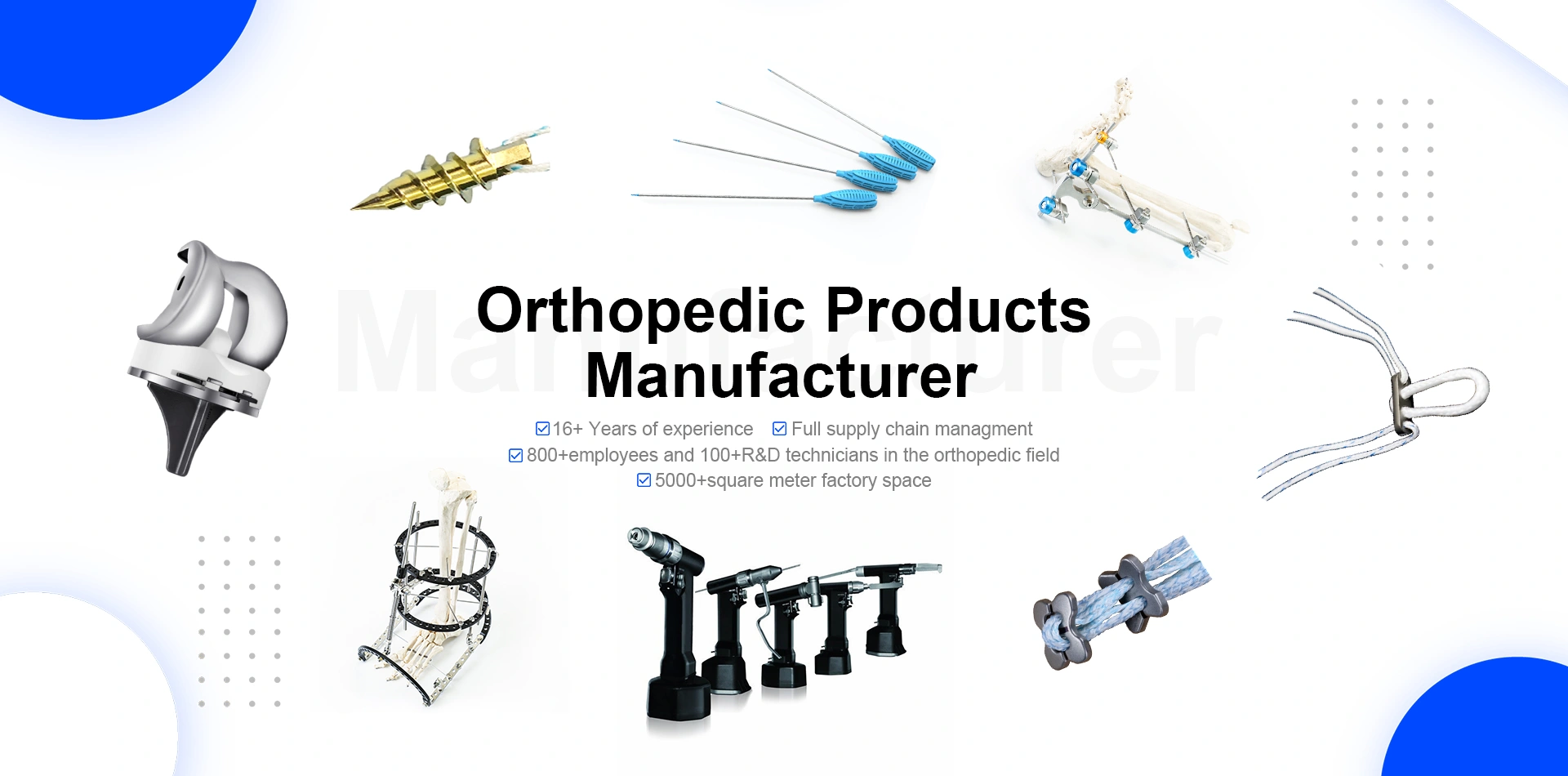
With over 18 years of dedicated research and development, Clerivida has developed 11 main product series, which comprehensively address various clinical surgical requirements:
The convergence of metallurgy, biomechanics, and surface chemistry has sparked massive innovations in modern intramedullary implant design.
Transitioning from Stainless Steel (316L) to Titanium alloys (Ti6Al4V ELI) has significantly reduced stress shielding, as Titanium's Young's modulus is closer to natural cortical bone, fostering physiological stress distribution.
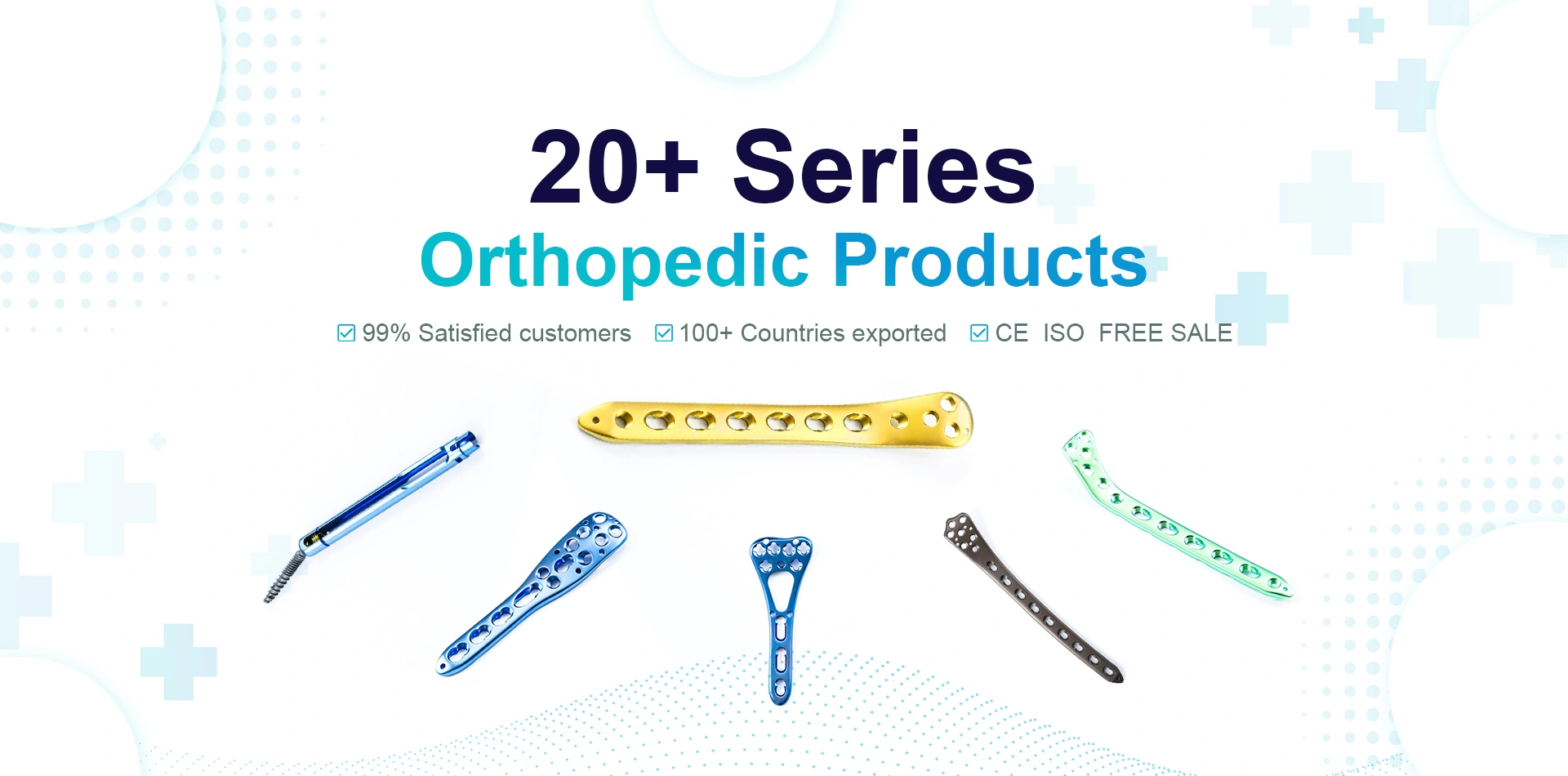
Anodization techniques produce bio-inert colors (Blue, Green, Gold) on Titanium. This allows surgeons to instantly identify different diameters and system configurations under intense operating room lighting.
Emerging radiolucent polymers (Polyetheretherketone) composite nails are rising in popularity. They facilitate real-time intraoperative visualization and postoperative callus evaluation without metal artifact interference.
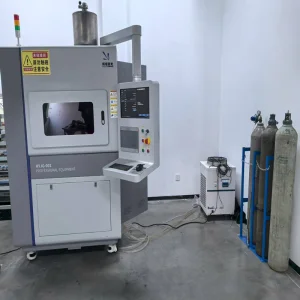
In addition, advanced CNC Swiss machining guarantees that outer diameters, cannulations, and thread pitches match strict dimensional limits (down to +/- 5 microns). Micro-blasting and passivation treat implant surfaces to remove free iron molecules, enhancing the passive titanium oxide (TiO2) layer which minimizes soft-tissue irritation and optimizes mechanical integration.
Driving orthopedics forward through large-scale R&D and strict compliance standards.
Different long bones experience different biomechanical environments, requiring distinct geometry configurations for intramedullary nails. Below, we break down these specialized applications:
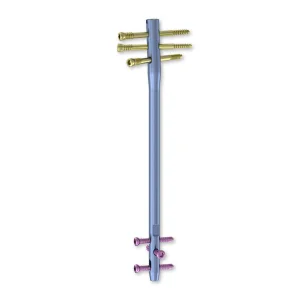
Our femoral nails incorporate a physiological curvature radius (ROC) optimized for anatomical variations. Multi-planar locking holes at the distal end provide stability against torsional forces, and proximal reconstruction configurations permit targeted neck screw placement for concurrent femoral neck and shaft fractures.
Designed with a Herzog bend of 10.5 degrees at the proximal aspect to simplify tibial tuberosity insertion. The system supports dynamic or static locking options, giving surgeons control over micro-compression when patient bone remodeling slow down.
Humeral nails utilize a low-profile cap design and divergent locking configurations to safeguard anatomical structures (such as the axillary nerve and rotator cuff). Standard instrumentation accommodates both retrograde and antegrade insertion paths.
As smart operating rooms and patient-specific treatments emerge, the technology roadmap for intramedullary nails is pivoting towards three critical horizons:
1. Bioactive and Antibacterial Surface Coatings: Intramedullary infections (osteomyelitis) remain a critical surgical risk. The future features localized antibiotic-eluting coatings or silver-nanoparticle surfaces that prevent bacterial biofilm formation without hindering osseointegration.
2. 3D-Printed Custom Implants: Leveraging Additive Manufacturing Systems, specialized factories can fabricate intramedullary implants designed for non-union revisions, developmental deformities, or post-oncological resections where off-the-shelf options fall short.
3. Digitally Integrated Smart Navigation: Real-time distal locking targeted systems (such as electromagnetic tracking) are replacing fluoroscopy-dependent techniques. This drastically reduces ionizing radiation exposure for the surgical team while boosting targeting precision.
Our commitment extends beyond mechanical fabrication. Guided by the principles of "quality first, service first, R&D first, innovation first," Clerivida delivers complete clinical solutions.
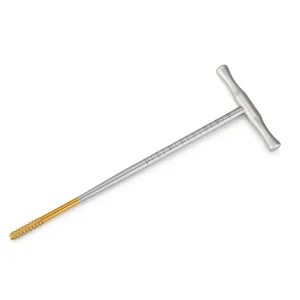
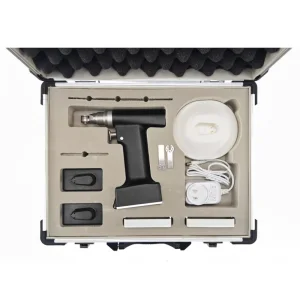
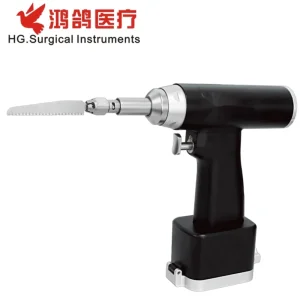
Maintaining high mechanical and bio-safety standards requires a comprehensive product environment. For example, our General Surgical Instrument Sets and Sterilization Boxes & Baskets ensure implants remain contaminant-free from logistics to the sterile surgical field. Meanwhile, our Medical Power Tools, like cannulated drills and micro oscillating saws, are designed specifically to run smoothly with our implant insertion tools, reducing surgical errors and speeding up procedures.
From an international logistics perspective, Clerivida maintains rigid compliance pathways. Every batch of raw titanium undergoes ultrasonic testing to identify microscopic internal defects before machining. Completed implants are documented down to the raw heat number, enabling complete trace audits. With a professional after-sales team and a pioneering spirit, Clerivida continues to build long-term partnerships with clients, hospitals, and distributors worldwide.
Addressing core mechanical, clinical, and regulatory questions from healthcare distributors and surgeons.
Static locking utilizes round locking holes at both proximal and distal ends of the nail, preventing axial rotation and length changes, which is vital for highly comminuted or unstable fractures. Dynamic locking uses an elongated slot on one end, allowing controlled axial compression (micromotion) during weight-bearing. This dynamic compression accelerates osteogenesis in stable fractures showing delayed healing.
We source only medical-grade Titanium Alloy (Ti6Al4V ELI) conforming to ASTM F136 specifications. This alloy exhibits superior tensile strength and fatigue limit, critical for withstand cyclical physiological loads. Biocompatibility is verified through rigorous cytotoxicity, systemic toxicity, and sensitization tests according to ISO 10993 standards.
All reusable surgical instruments and titanium sterilization baskets must undergo autoclave sterilization. We recommend a validated dynamic air removal cycle (pre-vacuum autoclave) at 134°C (273.2°F) for a minimum exposure time of 4 minutes, followed by a minimum drying time of 20 to 30 minutes to eliminate structural moisture and prevent corrosion.
IM nailing is load-sharing, aligning with the mechanical axis of the humeral shaft, which reduces construct bending moments and minimizes soft-tissue dissection. In contrast, locking plates are load-bearing, requiring larger incisions, but they provide stronger mechanical stability in poor bone quality near metaphyseal-epiphyseal areas. The clinical decision depends on the location of the fracture and bone density.
Review our specialized instruments, implants, and system units designed for global markets.
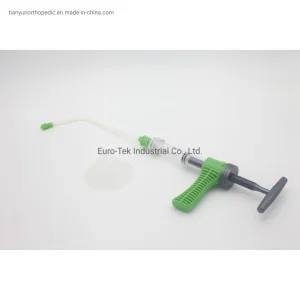
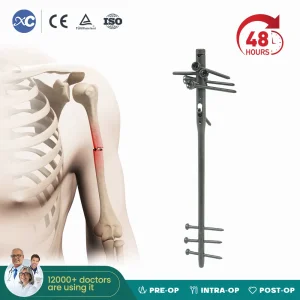
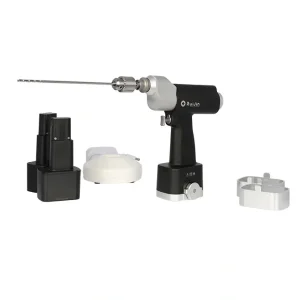
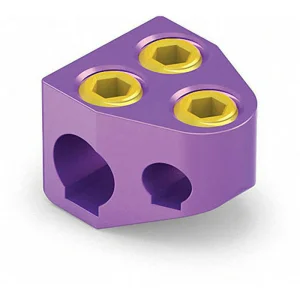
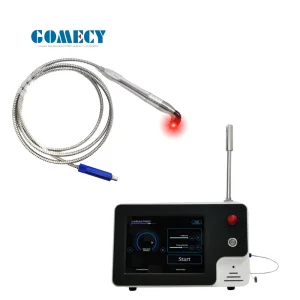
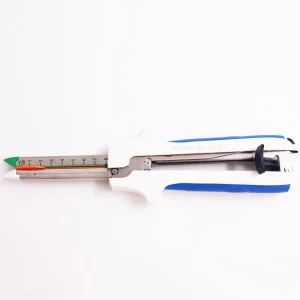
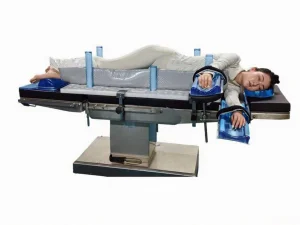
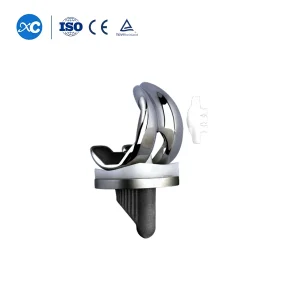
Note: Products displayed include clinical power tools, patient positioning structures, manufacturing technologies, and system components distributed under Clerivida international trading divisions.
 Clerivida Medical