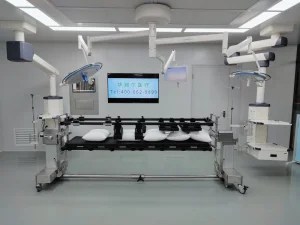
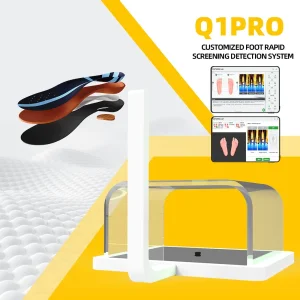
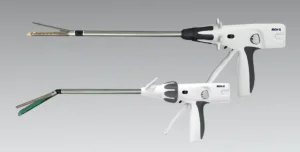
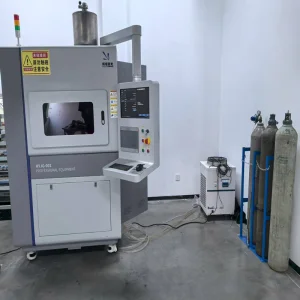
Select, hospital-grade innovations designed to integrate seamlessly into complex clinical settings and modern operation facilities.
In modern spine surgery, Vertebral Body Replacement (VBR) constitutes the cornerstone of clinical interventions targeting advanced structural instability. Complex anterior column reconstructions necessitated by burst fractures, multi-level disc herniation, severe spinal tumors (oncological resections), or progressive degenerative disc diseases demand implants of absolute biocompatibility, mechanical integrity, and design versatility.
For procurement officers, orthopedic distributors, and clinical specialists, navigating the VBR supply chain requires a strict alignment with manufacturers who combine cutting-edge materials science with robust regulatory credentials. Guangzhou Clerivida Medical Co., Ltd. stands as a premier medical equipment brand at this intersection. Leveraging over 18 years of continuous research and development, Clerivida integrates clinical design feedback with state-of-the-art manufacturing to deliver spinal implants and trauma instrumentation that achieve optimal osteointegration and mechanical stabilization.
Founded on the core tenets of "Quality First, Service First, R&D First, and Innovation First," Guangzhou Clerivida Medical Co., Ltd. has developed a global presence in the orthopedic implant sector. Specializing in spinal fixation, joint arthroplasty, and customized surgical instrument systems, our manufacturing facilities utilize precision CNC machinery, automated cleanrooms, and stringent validation protocols to satisfy rigorous ISO 13485 standards.
By blending physical fabrication capabilities with advanced R&D divisions, Clerivida maintains 11 comprehensive orthopedic product lines. These range from biomechanically engineered pedicle screw matrices and anatomical trauma plates to micro-powered surgical tools and customized sterilization systems, ensuring a holistic clinical offering for our B2B procurement partners worldwide.
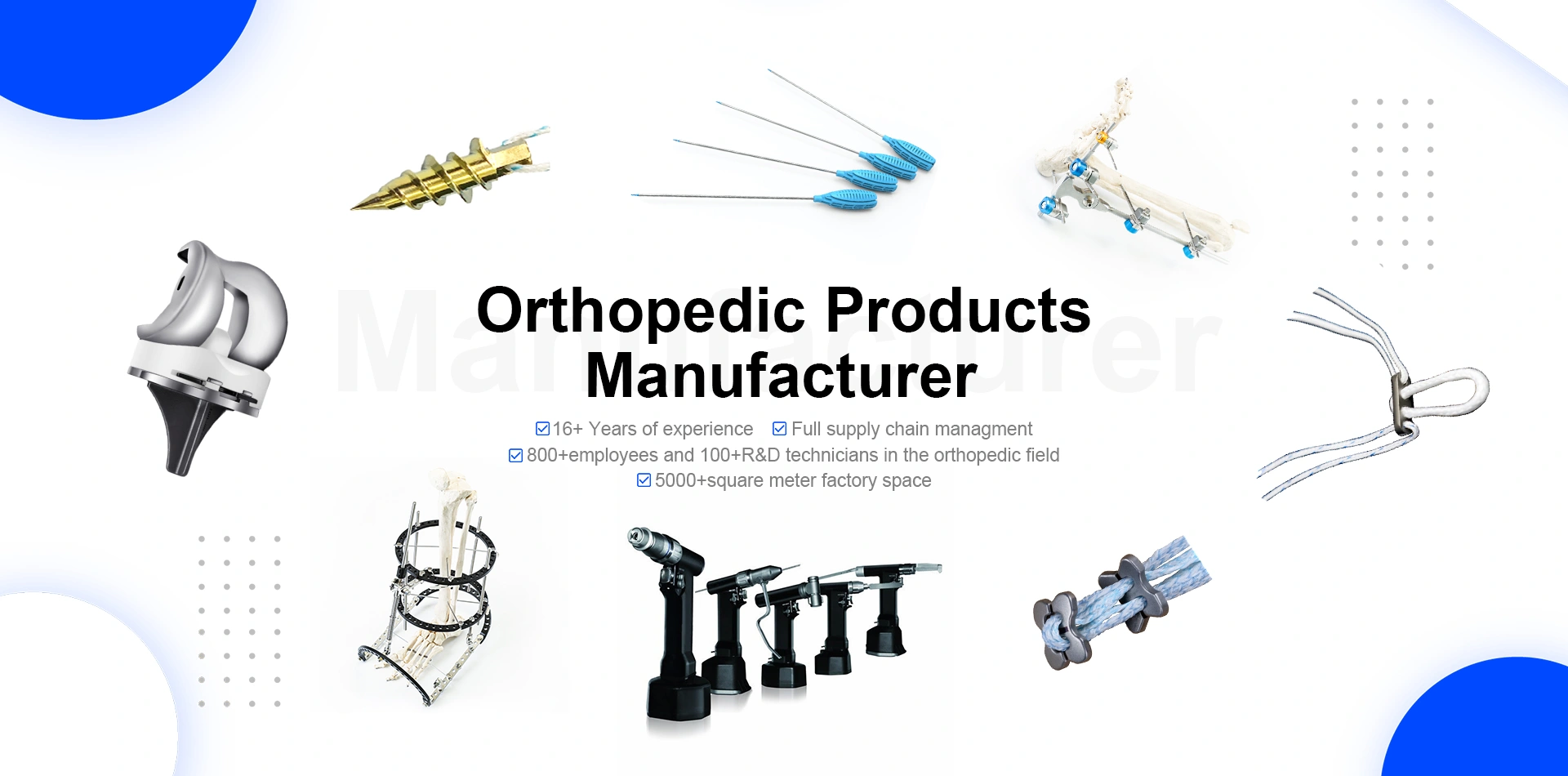
Key insights driving purchase decisions for hospital networks, regional distributors, and clinical supply chains.
Hospitals are demanding biocompatible Grade 5 Titanium (Ti-6Al-4V ELI) and PEEK (Polyetheretherketone) VBR configurations. These materials minimize stress shielding and artifacting during post-operative MRI scans.
Value-based procurement models have forced purchasing agents to look past marked-up multinational brands. Reliable, CE-marked alternatives from specialized medical device companies offer identical biomechanical performance.
Post-pandemic medical device procurement prioritizes secure, long-term partners. Having vertical control over both raw material machining and packaging reduces shipment delays for urgent trauma and spinal systems.
Years of R&D Experience
Main Orthopedic Series
Quality Inspected Implants
Countries Exported To
A successful corpectomy or vertebral replacement procedure relies heavily on the engineering properties of the implant cage. To support the heavy load-bearing needs of the human spinal column, these implants must demonstrate precise biomechanical performance. Specifically, this means balancing high compressive strength with an elastic modulus that mirrors native cancellous and cortical bone.
Titanium Alloy (Ti-6Al-4V ELI) VBRs: These systems provide excellent load bearing and allow for thin-walled structures, which maximizes the space available for packing bone graft material. The mechanical properties can be optimized further through 3D laser-sintered porous surfaces. These textured structures facilitate direct bone growth (osteointegration) onto the implant.
PEEK VBRs: Due to its plastic composition, PEEK exhibits an elastic modulus that closely matches natural cortical bone. This helps reduce the risk of implant subsidence—a common issue where the device sinks into adjacent vertebrae. Its radiolucent properties also simplify post-surgical assessment, allowing surgeons to monitor fusion progress clearly without metal artifact interference on X-ray and CT scans.
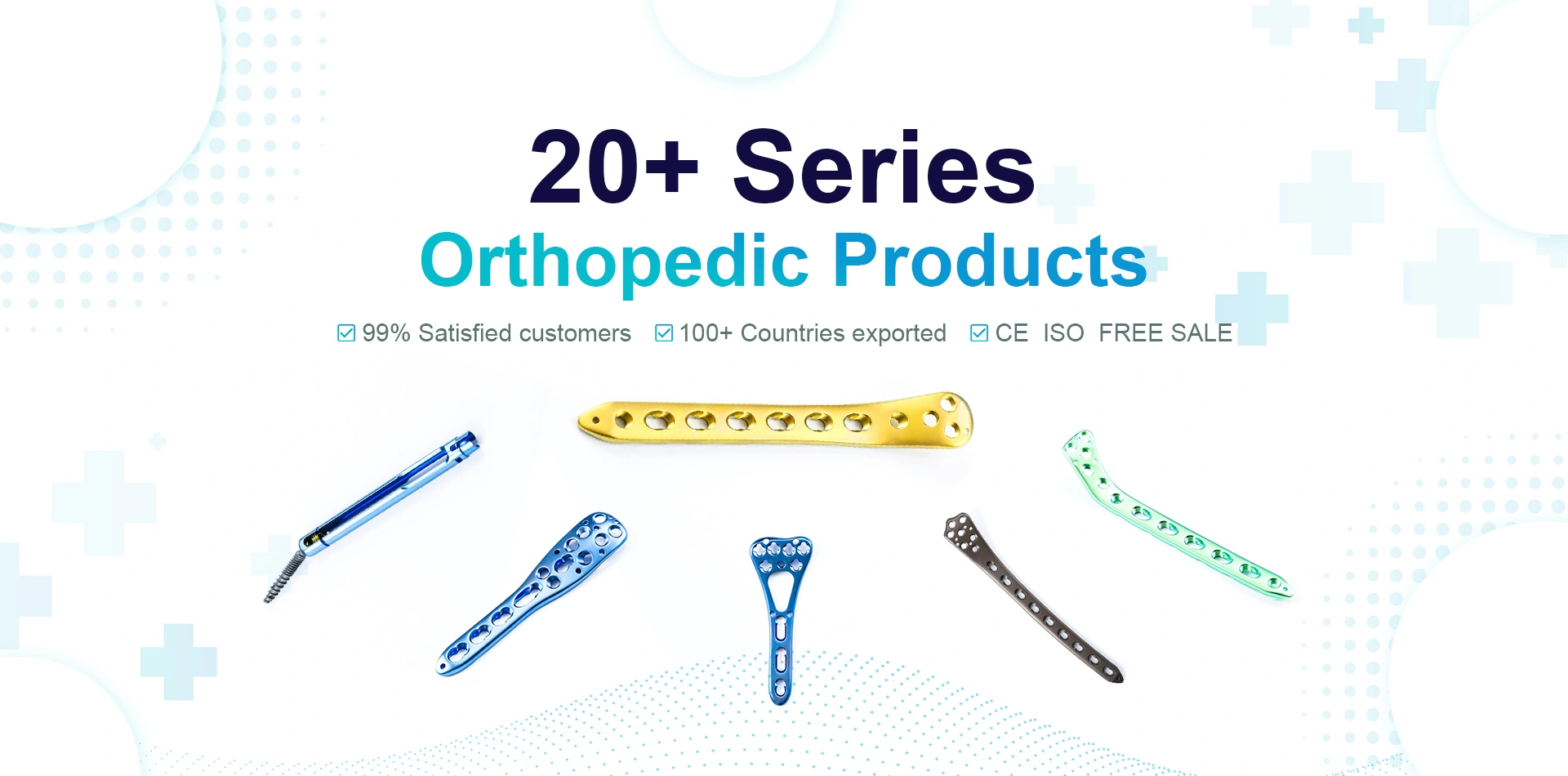
A look into our vertically integrated clinical offerings, from spinal systems to sterile surgical containers.
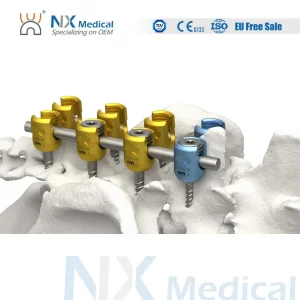
Includes cervical, thoracic, and lumbar pedicle screws, anterior cervical plates, and modular vertebral body mesh cages designed to handle extreme biomechanical loads.
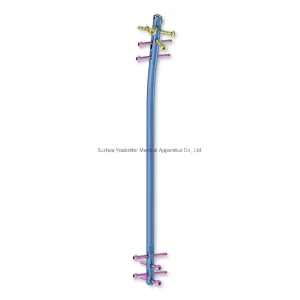
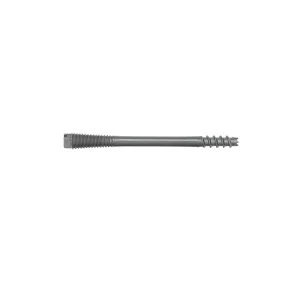
Designed for femur, tibia, and humerus fractures. Features stable interlocking screw mechanisms that promote load sharing and early patient mobilization.
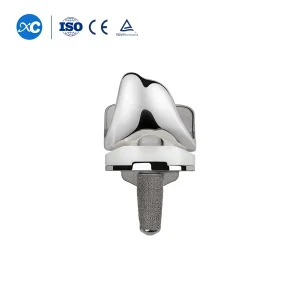
Advanced partial and total hip/knee arthroplasty implants, featuring ultra-high molecular weight polyethylene (UHMWPE) wear surfaces.
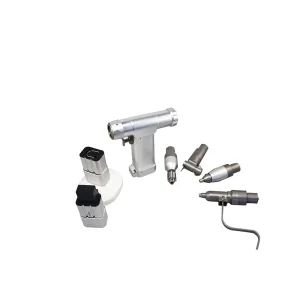
Ergonomic micro-motors, cannulated drills, oscillating saws, and surgical attachments designed to maintain torque and speed during complex osteotomies.
Aluminum alloy storage containers, perforated silicone mats, and mesh wire baskets that preserve the sterility of instruments before and during surgery.
Anatomically pre-contoured plates and locking screws. Specially designed to reduce intraoperative manipulation and decrease overall procedure times.
The frontier of spine reconstruction engineering combines digital planning, customized 3D printing, and smart bio-materials.
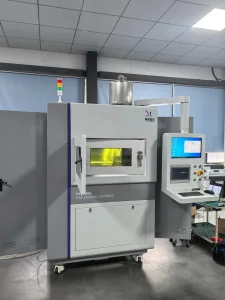
Moving toward clinical adoption of customized, patient-specific implants. These devices are designed from patient CT scans and printed using medical laser-sintering technology to match unique anatomical profiles.
Integrating synthetic hydroxyapatite (HA) and sub-micron titanium plasma sprays on the implant surface. This technique accelerates initial bone fusion and reduces the risk of long-term implant migration.
Researching early-stage, embedded micro-sensors capable of measuring post-surgical mechanical load variations and regional temperature changes. This technology helps clinicians monitor fusion healing and detect early-stage infections before they show up on scans.
In the medical device industry, compliance is non-negotiable. Guangzhou Clerivida Medical Co., Ltd. operates in strict accordance with ISO 13485:2016 quality standards. Our spinal and trauma products are CE-marked and undergo rigorous mechanical validation. These tests include fatigue resistance, torsion, and compression testing to simulate years of in-body performance.
Our raw materials are sourced from verified global suppliers, ensuring high purity for our medical titanium and PEEK components. By maintaining detailed traceability from the raw material stage to the sterile packaging box, Clerivida ensures that B2B distributors can easily navigate local registration audits and import procedures.
Answers to common clinical, logistics, and production questions from our global buying network.
Further products in our portfolio designed to streamline surgical procedures and enhance patient outcomes.
 Clerivida Medical