Engineered for Eswatini's Healthcare and Industrial Sectors
Bridging the Gap Between Advanced Manufacturing and Local Application
In the Kingdom of Eswatini, the demand for high-quality fixation pins has seen a significant uptick. This growth is driven by two main pillars: the modernization of the healthcare system under the Ministry of Health and the surge in infrastructure development in urban centers like Mbabane and Manzini. For medical facilities, the transition from traditional bone setting to advanced internal and external fixation requires components that offer absolute bio-compatibility and fatigue resistance.
On the industrial side, Eswatini’s manufacturing and agricultural sectors utilize fixation pins in machinery, scaffolding (such as the EZWIS infrastructure projects), and structural reinforcement. The unique climatic conditions of Southern Africa, characterized by high humidity and varying temperatures, demand materials that can withstand oxidative stress without compromising structural integrity.
Global Standards, Localized Excellence
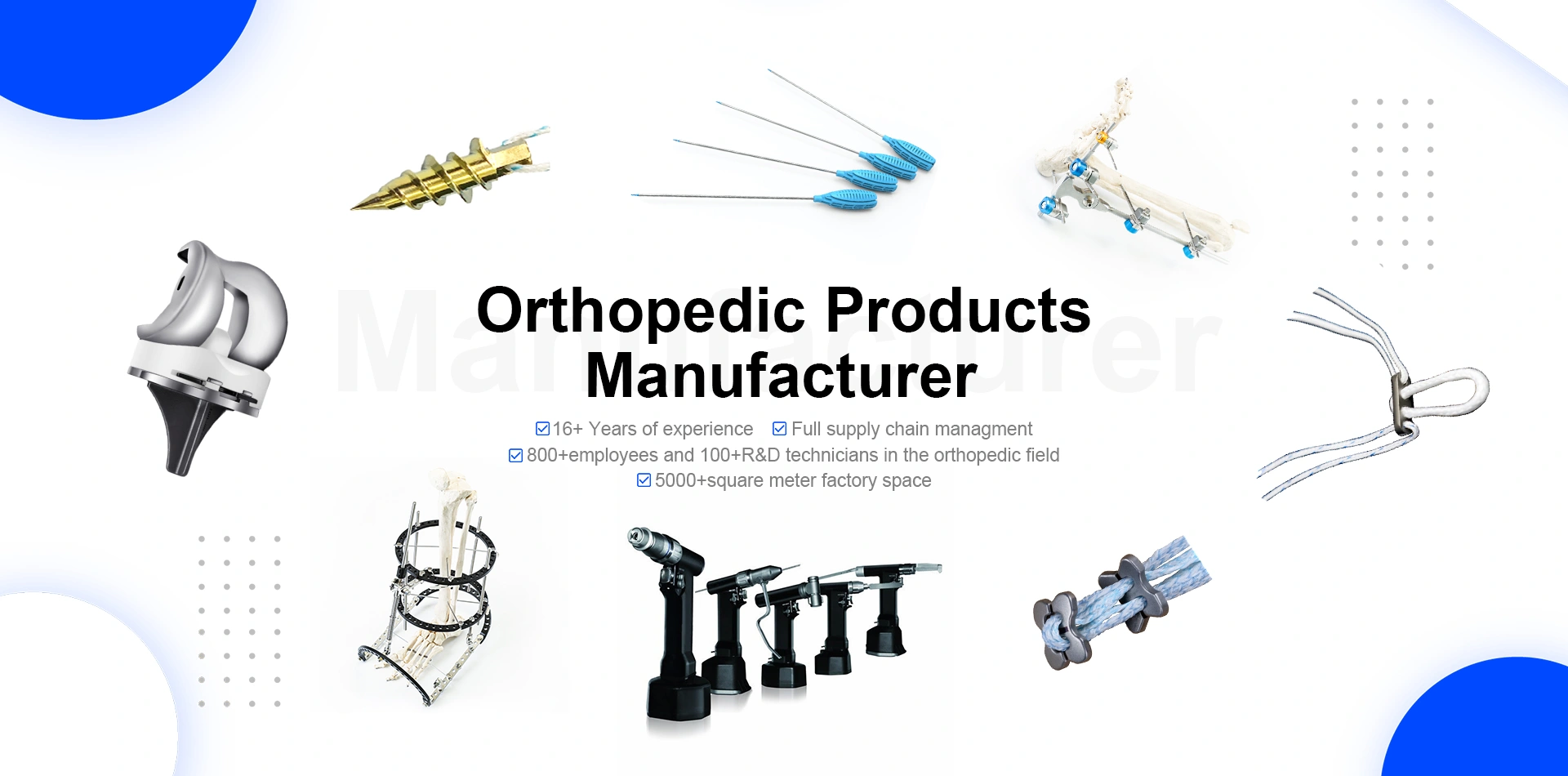
Guangzhou Clerivida Medical Co., Ltd. is a leading manufacturer specializing in orthopedic implants and surgical instruments, offering a comprehensive model of research and development, production, sales, and export. The company has established a perfect quality management system and advanced production capabilities, ensuring every product meets international standards such as ISO 13485 and CE certifications.
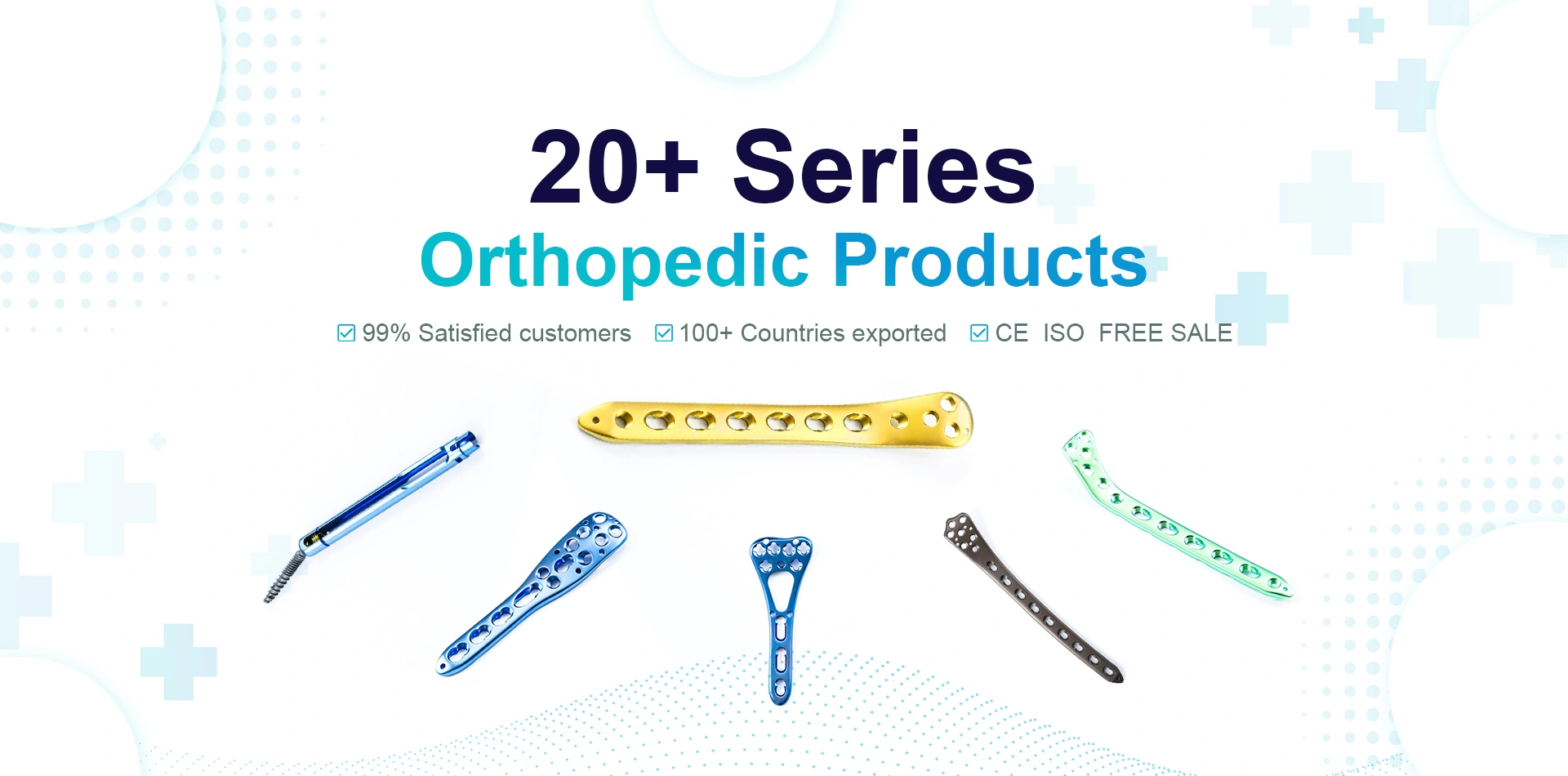
With over 18 years of dedicated research and development, Clerivida has developed 11 main product series, including spinal systems, intramedullary nail systems, and trauma plates.
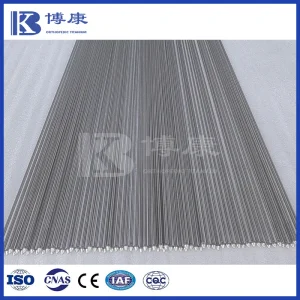
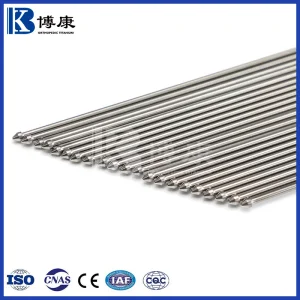
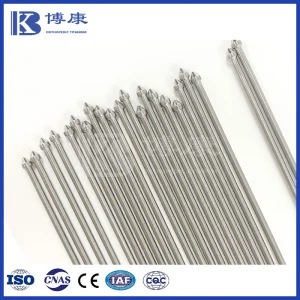
Utilizing high-grade Nitinol (Nickel-Titanium), 316L Stainless Steel, and Titanium alloys to ensure maximum bio-compatibility and mechanical durability in every pin.
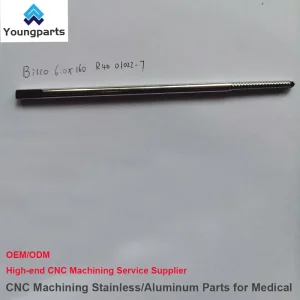
Every fixation pin is manufactured using CNC precision machining, ensuring tolerances within microns—critical for delicate orthopedic and dental procedures.
Innovating for the next generation of fixation technology
We are currently exploring the integration of sensor technology within fixation pins to monitor bone healing progress in real-time. For the Eswatini market, this could reduce the frequency of follow-up X-rays, saving costs for patients in remote areas.
Our R&D team is moving toward the next phase of pins made from magnesium alloys and bio-polymers that gradually dissolve once the bone has healed, eliminating the need for secondary removal surgeries.
Applying antimicrobial nanocoatings to fixation pins to drastically reduce the risk of post-operative infections, a critical concern in high-intensity trauma cases.
Efficiency, Logistics, and Reliable Delivery
Guangzhou, as a global manufacturing hub, provides the efficiency and scale that localized Eswatini suppliers often lack. Our supply chain resilience is built on three pillars:
Expert insights on fixation pin selection and usage
Industrial, Medical, and Specialized Applications
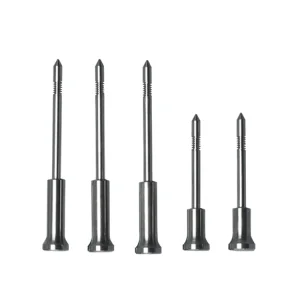
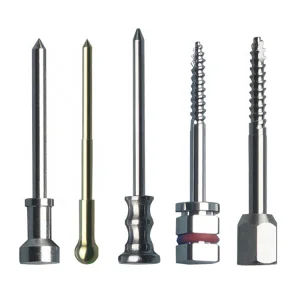
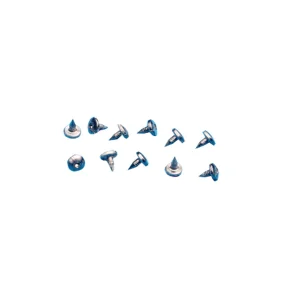
Fixation pins are not merely hardware; they are the interface between engineering and biology. In Eswatini, where road traffic accidents and agricultural injuries are prevalent, the role of Apex Self-Drilling Pins is paramount. These pins are designed with a unique thread geometry that allows for rapid insertion without the need for pre-drilling in most cortical bone environments. This speed is crucial in trauma theaters in Mbabane Government Hospital or RFM Hospital, where operative time directly correlates with patient outcome.
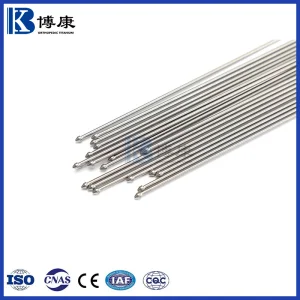
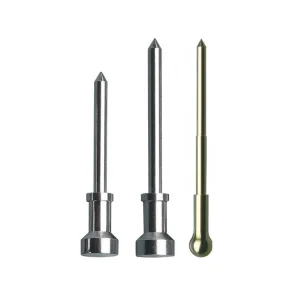
The use of Nitinol (Nickel-Titanium alloy) in guide pins and fixation components represents the pinnacle of medical material science. Nitinol's unique properties—Superelasticity and Shape Memory—make it indispensable. When a surgeon in Eswatini is performing a minimally invasive fracture fixation, the guide pin must often travel through narrow and curved intramedullary canals. A traditional stainless steel pin might kink or plastically deform. Nitinol, however, "remembers" its original straight shape, allowing it to spring back and maintain the path for the cannulated drill or screw. This precision reduces the risk of cortical perforation and ensures that the implant is placed exactly where the biomechanical load is optimized.
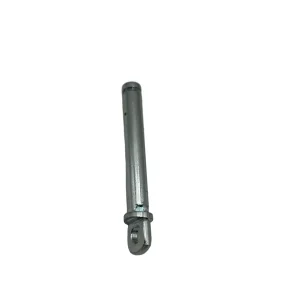
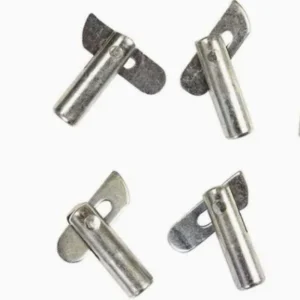
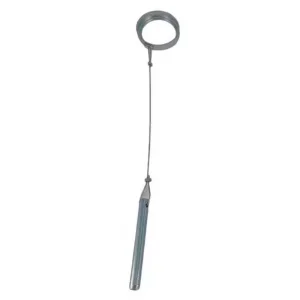
Beyond the operating room, fixation pins like the Heavy Duty Lock Pin and Gravity Lock Pin play a silent but vital role in the Eswatini skyline. As the country invests in its National Development Plan, the construction of high-rise commercial buildings and industrial warehouses requires scaffolding systems that are both fast to assemble and fail-proof. Our lock pins are forged from high-tensile steel with weather-resistant galvanization, ensuring that even in the humid summer months of the Ezulwini Valley, the structural integrity of work platforms remains uncompromised.
We understand that importing medical and industrial equipment into Eswatini requires a partner who understands the local regulatory environment. Guangzhou Clerivida provides comprehensive support for the Eswatini Medicines and Poisons Board (EMPB) registrations and ensures that all shipments comply with the SADC (Southern African Development Community) trade protocols. Our professional after-sales team offers virtual training for Eswatini medical technicians, ensuring that the precision tools we manufacture are used to their fullest potential.
With a pioneering spirit, Clerivida continues to provide reliable, high-quality orthopedic solutions while building long-term partnerships with clients worldwide. The company remains committed to innovation, excellence, and advancing the orthopedic medical industry.
 Clerivida Medical