Shoulder Replacement Systems Factories & Suppliers serving Central African Republic

High-Precision Orthopedic Implants, Bio-Compatible Joints, and Resilient Clinical Infrastructure Solutions for Healthcare Systems in the Central African Republic

Whitepaper & Market Insights

The Landscape of Orthopedic Care & Arthroplasty in the Central African Republic

Developing sustainable orthopedic surgical capabilities in the Central African Republic (CAR) presents unique challenges and structural opportunities. The country's healthcare system, anchored by key facilities such as the Centre Hospitalier Universitaire Communautaire (CHUC) and the Hôpital de l'Amitié in Bangui, is experiencing an evolving clinical demand for advanced trauma and joint reconstruction solutions. Severe fractures, degenerative glenohumeral osteoarthritis, and rotator cuff tear arthropathies require highly reliable orthopedic hardware. For global suppliers, serving this region involves delivering more than just implants—it demands a holistic approach encompassing robust clinical logistics, high-durability materials, and supporting utility systems that maintain clinical sterility and power continuity.
Due to local geographic constraints and high environmental temperatures, implants like shoulder replacement systems must conform to international standards of biocompatibility, structural fatigue resistance, and sterile packaging. Advanced materials such as Cobalt-Chromium-Molybdenum (CoCrMo) and Titanium alloy (Ti-6Al-4V ELI), paired with ultra-high-molecular-weight polyethylene (UHMWPE) bearings, form the foundation of durable joint designs. These configurations minimize the wear rate and prevent osteolysis, ensuring that patients in rural and urban clinics receive implants designed to last.
18+
Years R&D Experience
11
Major Product Series
ISO 13485
Certified Quality Management
100%
Traceability & Biocompatibility

Overcoming Procurement Challenges: Central African Import Pathways

Medical procurement managers in Bangui frequently cite supply-chain latency as a major hurdle. Since CAR is landlocked, importing surgical implants requires robust transit agreements and logistics expertise. Shipments typically enter through the Port of Douala (Cameroon) before traveling overland along the critical Douala-Bangui corridor, or are shipped via air freight directly to Bangui M'Poko International Airport (BGF). Working with a factory that manages complete export documentation, customs clearances, and supplies products with clear sterile barrier packaging is vital for ensuring uninterrupted hospital operations.
Factory Excellence

Guangzhou Clerivida Medical Co., Ltd.

Guangzhou Clerivida Medical Co., Ltd. is a leading manufacturer specializing in orthopedic implants and surgical instruments, offering a comprehensive model of research and development, production, sales, and export. The company has established a perfect quality management system and advanced production capabilities, ensuring every product meets international standards.
Clerivida Medical Precision Manufacturing Facility
Figure 1: Clerivida's state-of-the-art CNC machining workshop, operating under strict ISO Class 7 cleanroom conditions.
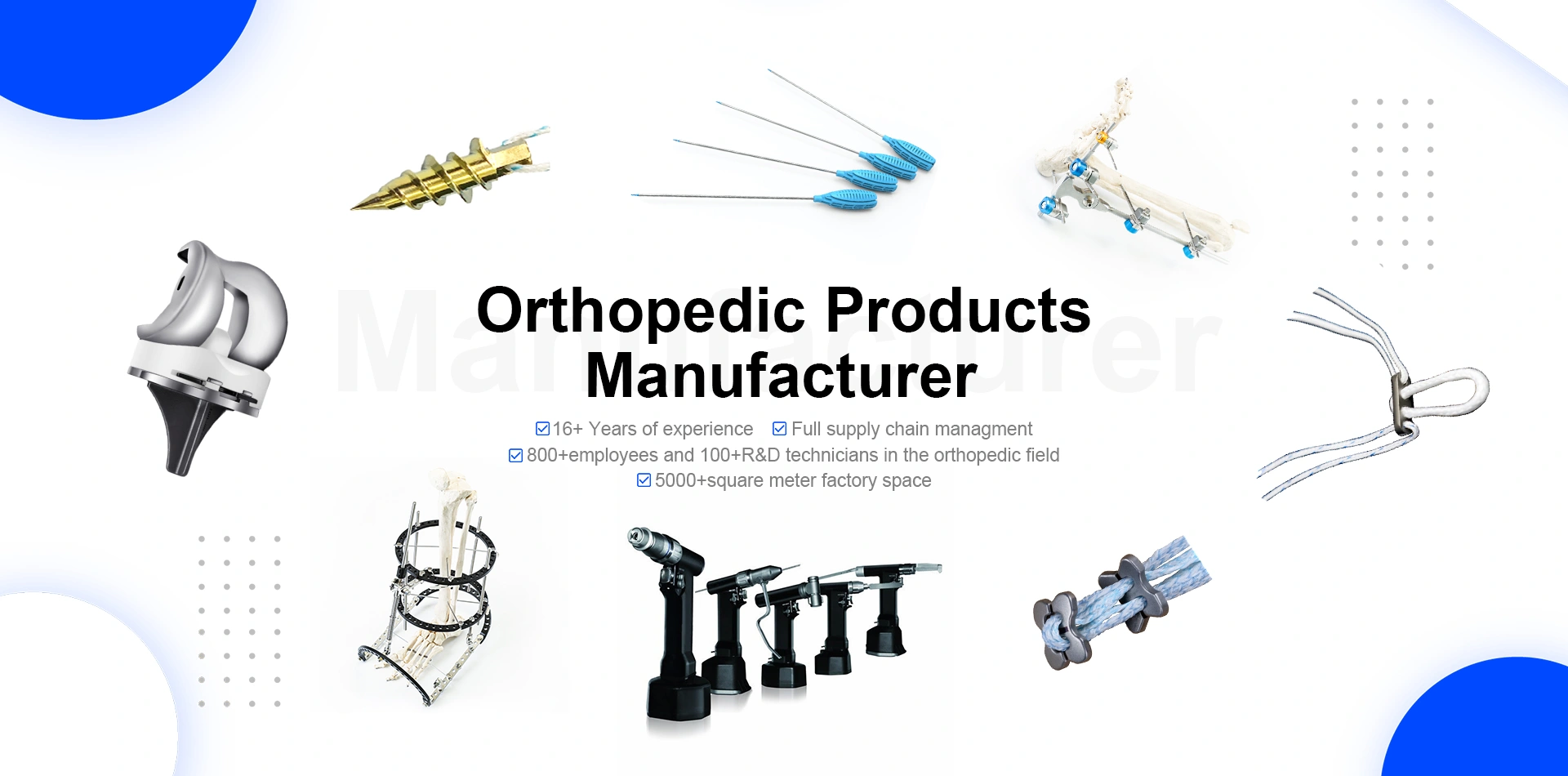
With over 18 years of dedicated research and development, Clerivida has developed 11 main product series, including spinal systems, intramedullary nail systems, trauma plates and screws, locking plates and screws, CMF maxillofacial systems, external fixation devices, joint replacement systems, medical power tools, general surgical instrument sets, sterilization boxes & baskets, and veterinary orthopedic solutions. Each series is designed with precision, safety, and innovation in mind, catering to diverse medical applications globally.
Orthopedic Implants Quality Inspection & Testing
Figure 2: Quality verification process checking tolerance parameters on modular joint stems and screws.
Guided by the principle of "quality first, service first, R&D first, innovation first," the company has earned an excellent reputation both domestically and internationally. Customer satisfaction remains the cornerstone of Clerivida’s service philosophy, emphasizing sincere service, continuous improvement, attention to detail, and integrity. With a professional after-sales team and a pioneering spirit, Clerivida continues to provide reliable, high-quality orthopedic solutions while building long-term partnerships with clients worldwide.
Technology & Biomechanics

Technical Blueprint: Anatomical vs. Reverse Shoulder Replacement Systems

To successfully perform shoulder arthroplasty, surgeons must choose between two primary biomechanical methodologies based on the integrity of the patient's rotator cuff muscles:

Anatomical Shoulder Arthroplasty

Best suited for patients with an intact, functional rotator cuff. The system replicates natural shoulder anatomy: a cobalt-chromium humeral head matches a biocompatible polyethylene glenoid cup. This preserves natural biomechanics, providing optimal range of motion and high implant longevity.

Reverse Shoulder Arthroplasty (RSA)

Indicated for patients with severe rotator cuff tear arthropathy. By reversing the position of the ball and socket—placing the glenosphere on the scapula and the humeral cup on the humerus—the system shifts the rotation center. This allows the deltoid muscle to power arm movement in the absence of a functional rotator cuff.

Modular Humeral Stem System

Clerivida's modular humeral stems offer versatile sizing and offset adjustments. Featuring options for cemented or press-fit fixation, the stems are coated with plasma-sprayed titanium or hydroxyapatite (HA). This promotes biological osseointegration, ensuring long-term stability in the proximal humerus.

High-Specification Raw Materials and Validation Standards

To ensure consistent patient safety, joint replacement factories must strictly control raw material sourcing. Every implant batch is subjected to rigorous quality control processes:
Implant Component Standard Material Specification Surface Treatment / Coating Primary Mechanical Function
Humeral Head / Glenosphere CoCrMo Alloy (ISO 5832-12 / ASTM F1537) Mirror polished (Ra < 0.02 µm) Articulation with minimal friction
Humeral Stem Ti-6Al-4V ELI (ISO 5832-3 / ASTM F136) Vacuum Plasma Sprayed (VPS) Titanium / HA Proximal load transfer and osseointegration
Glenoid Bearing insert / Humeral Cup UHMWPE (ISO 5832-9 / ASTM F648) Highly Cross-Linked (XLPE) + Vitamin E High wear resistance and oxidation stability
Bone Screws Ti-6Al-4V ELI (ASTM F136) Anodized Type II Rigid primary fixation of glenoid baseplate
System Integration

How Clean Utilities Support Joint Arthroplasty in Developing Markets

Establishing a modern joint replacement program requires addressing critical environmental challenges. In locations with unstable power and water supplies, a high-quality orthopedic implant alone cannot guarantee a successful surgical outcome. The process depends on a series of interlinked systems:

1. Constant Power for Surgical Power Tools

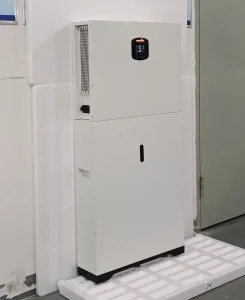
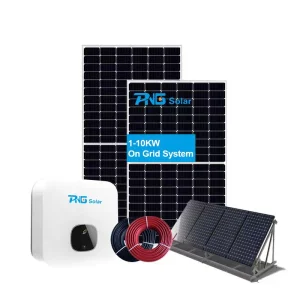
Modern surgical power tools, including orthopedic saws, drills, and vital signs monitors, require a continuous electrical supply. Power interruptions during bone resection can compromise surgical precision and prolong anesthesia time. Clerivida addresses this by offering high-capacity, off-grid, and hybrid solar energy systems. Options range from 5kw to 40kw storage configurations equipped with lithium iron phosphate (LiFePO4) battery packs, designed to keep surgical lighting and sterile air flow systems running continuously.

2. Pure RO Water for Sterile Instrument Processing

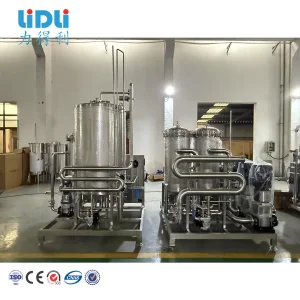
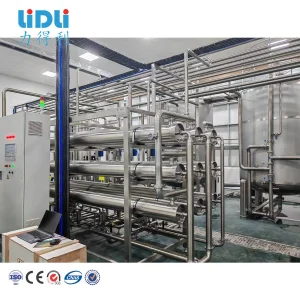
Water quality directly affects surgical safety. Autoclaves and instrument washers require mineral-free, purified water to prevent scale buildup on surgical kits and ensure effective steam sterilization. Clerivida's customized Reverse Osmosis (RO) Mineral Water Treatment Systems remove dissolved solids, pyrogens, and microorganisms from feed water. This provides consistent, high-purity water to the Central Sterile Services Department (CSSD) and helps prevent surgical site infections (SSIs) in joint replacement patients.

3. Specialized Postoperative Patient Recovery

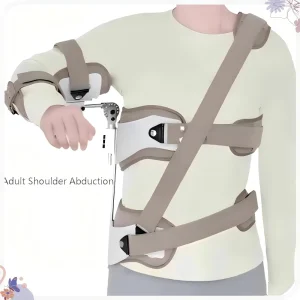
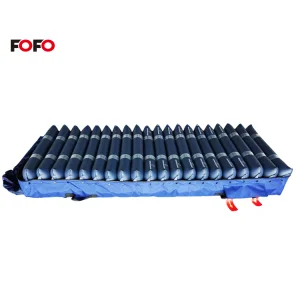
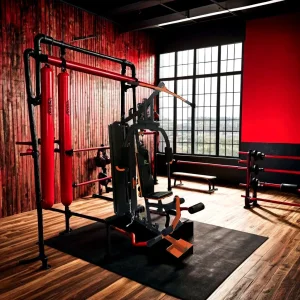
Following shoulder arthroplasty, the extremity must be held in controlled abduction to prevent dislocation and promote soft-tissue healing. The use of multi-angle Shoulder Abduction Systems ensures anatomically correct positioning. In post-operative wards, patient mobility may be limited; implementing 8-inch alternating pressure mattresses helps prevent pressure ulcers, improving overall recovery comfort and clinical outcomes.
Frequently Asked Questions

Sourcing & Compliance FAQ

Essential details for procurement departments, hospital administrators, and international distribution partners sourcing orthopedic implants for the Central African Republic.
1. What quality standards and certifications do Clerivida's joint replacement systems meet?
All joint replacement and trauma fixation devices manufactured by Guangzhou Clerivida Medical Co., Ltd. strictly comply with ISO 13485 (Medical Devices Quality Management Systems) standards. Our implants are fabricated from medical-grade alloys (ASTM F136 Titanium, ASTM F1537 Cobalt-Chromium) and highly cross-linked polyethylene, backed by complete material traceability and biocompatibility testing.
2. How are custom shipping and transit procedures managed for the Central African Republic?
We coordinate international shipping through experienced logistical networks. For CAR, we offer two main routing options: air freight to Bangui M'Poko International Airport (BGF) for urgent clinical needs, or ocean freight to the Port of Douala (Cameroon), followed by secure truck transit along the primary overland corridor to Bangui. We provide all necessary export customs documentation, certificate of conformity, and clean bills of lading.
3. Can Clerivida supply customized surgical instrument sets for shoulder replacement operations?
Yes, we manufacture and supply specialized, high-grade surgical instrument kits that correspond directly to our shoulder arthroplasty systems. These kits include trials, reamers, humeroradial guides, and glenoid inserters. Instrument sets are delivered in anodized aluminum sterilization containers designed to withstand repeated autoclave processing.
4. Why are solar energy and water filtration systems offered alongside orthopedic implants?
Through years of partnering with hospitals in developing regions, we recognize that surgical success depends on reliable local utilities. Unstable grid power and mineral-heavy or contaminated water can compromise surgical tools, sterilization processes, and lighting. Providing clean water treatment and backup hybrid solar systems alongside implants ensures hospitals have the stable infrastructure needed for safe, successful surgical outcomes.
5. What is the standard packaging and sterile shelf-life for Clerivida orthopedic implants?
Our implants are double-packaged in medical-grade Tyvek peel pouches and sterilized using ethylene oxide (EO) or gamma radiation. Under optimal storage conditions, our sterile barrier packaging maintains safety and sterility for a shelf-life of 5 years. Each package includes sterile indicators and trace stickers for patient charts.

Partner with a Trusted Global Orthopedic Manufacturer

Get in touch with our export sales division to discuss bulk discounts, customized packaging options, and logistics solutions tailored for the Central African Republic.

Send Inquiry Now