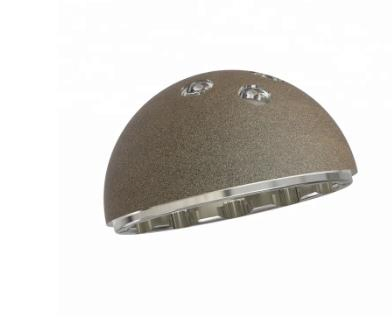
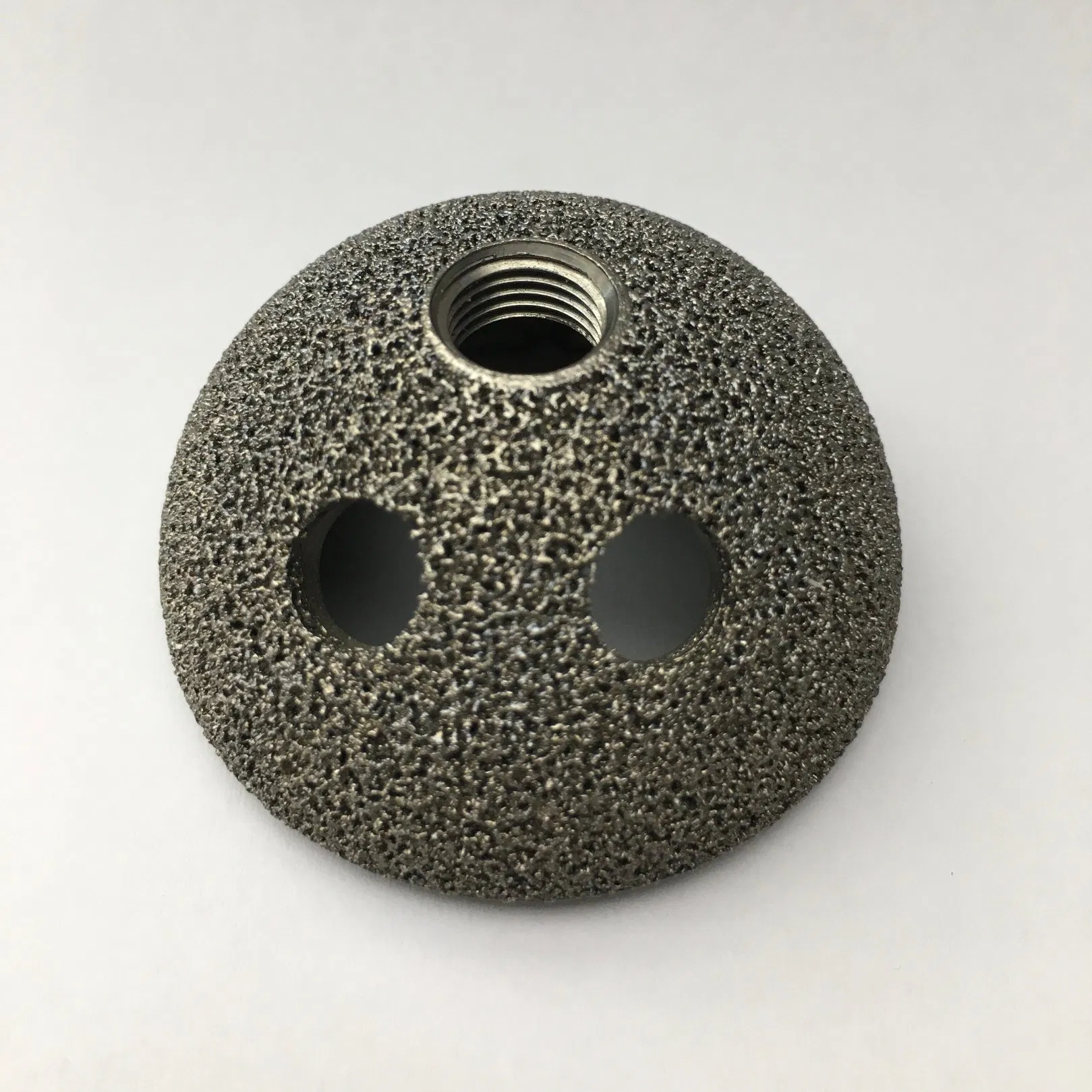
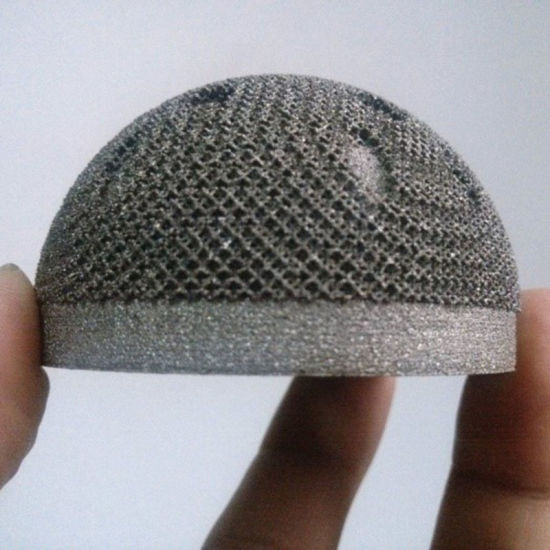
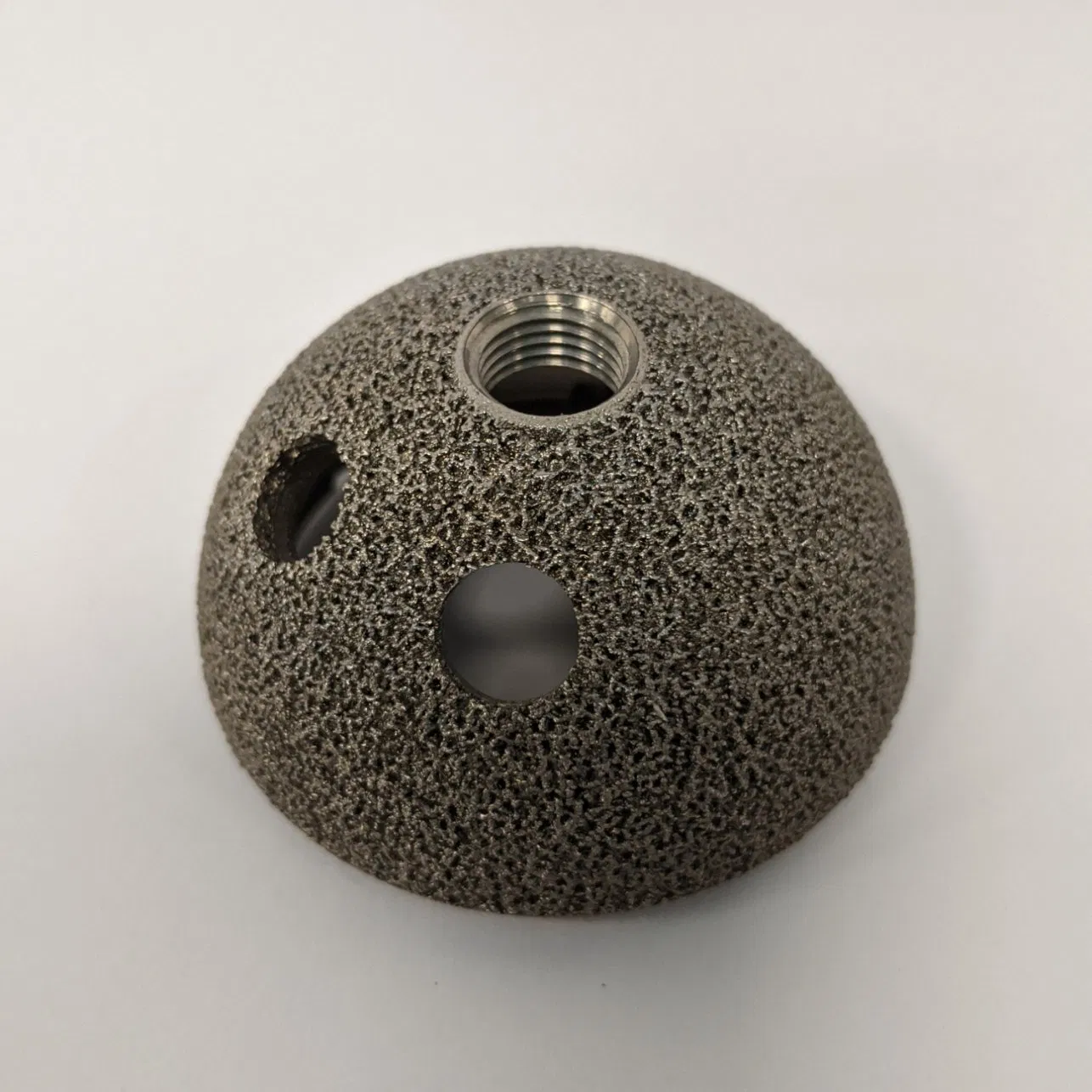
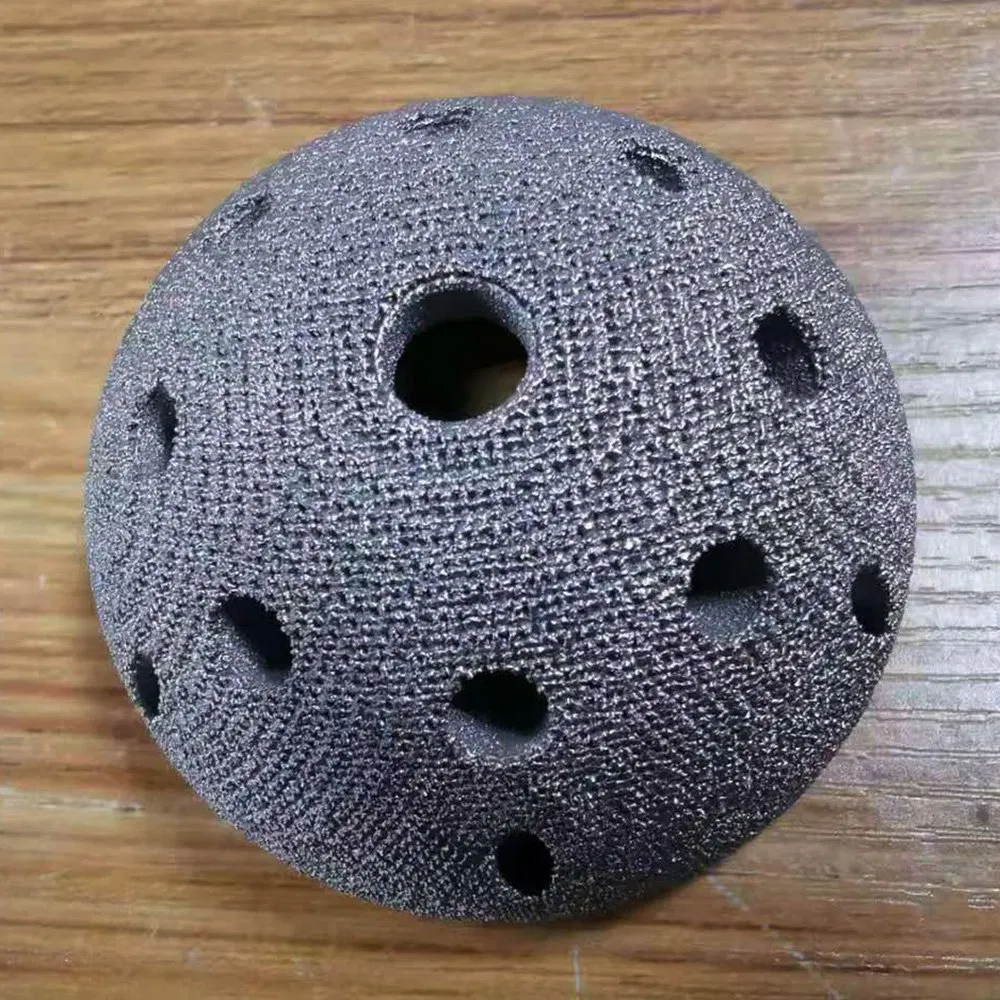
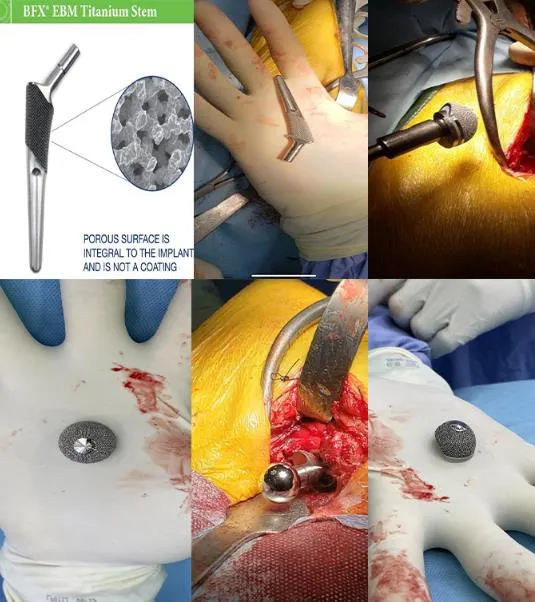
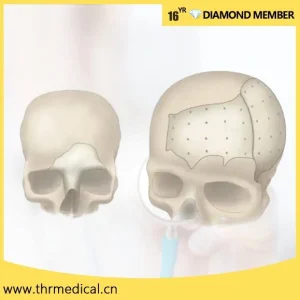
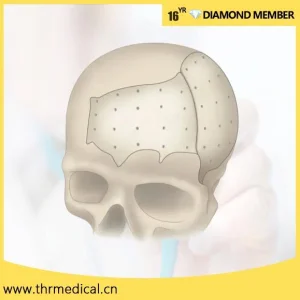
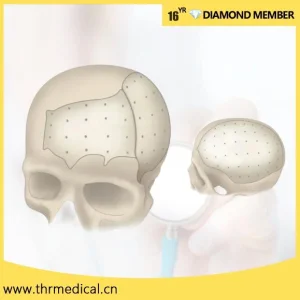
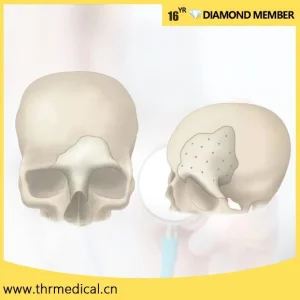
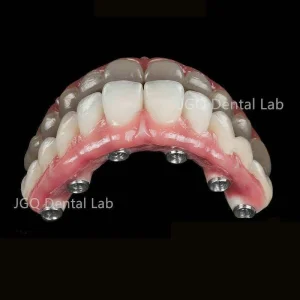
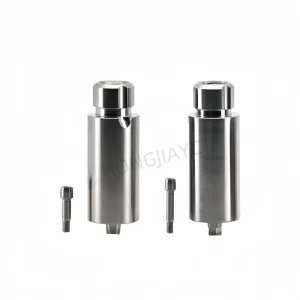
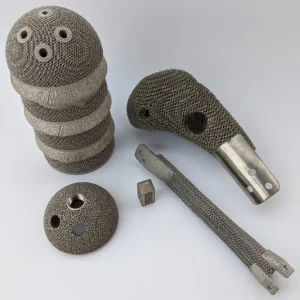
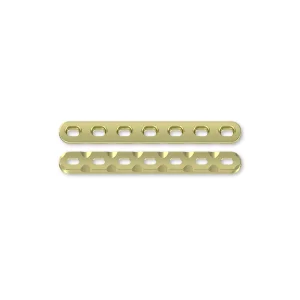
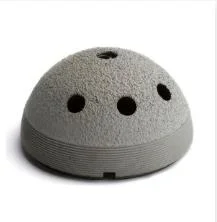
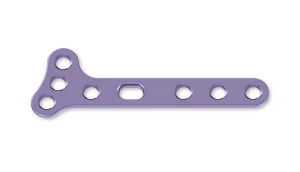
3D Printing Biocompatible Porous Titanium Alloy Implant
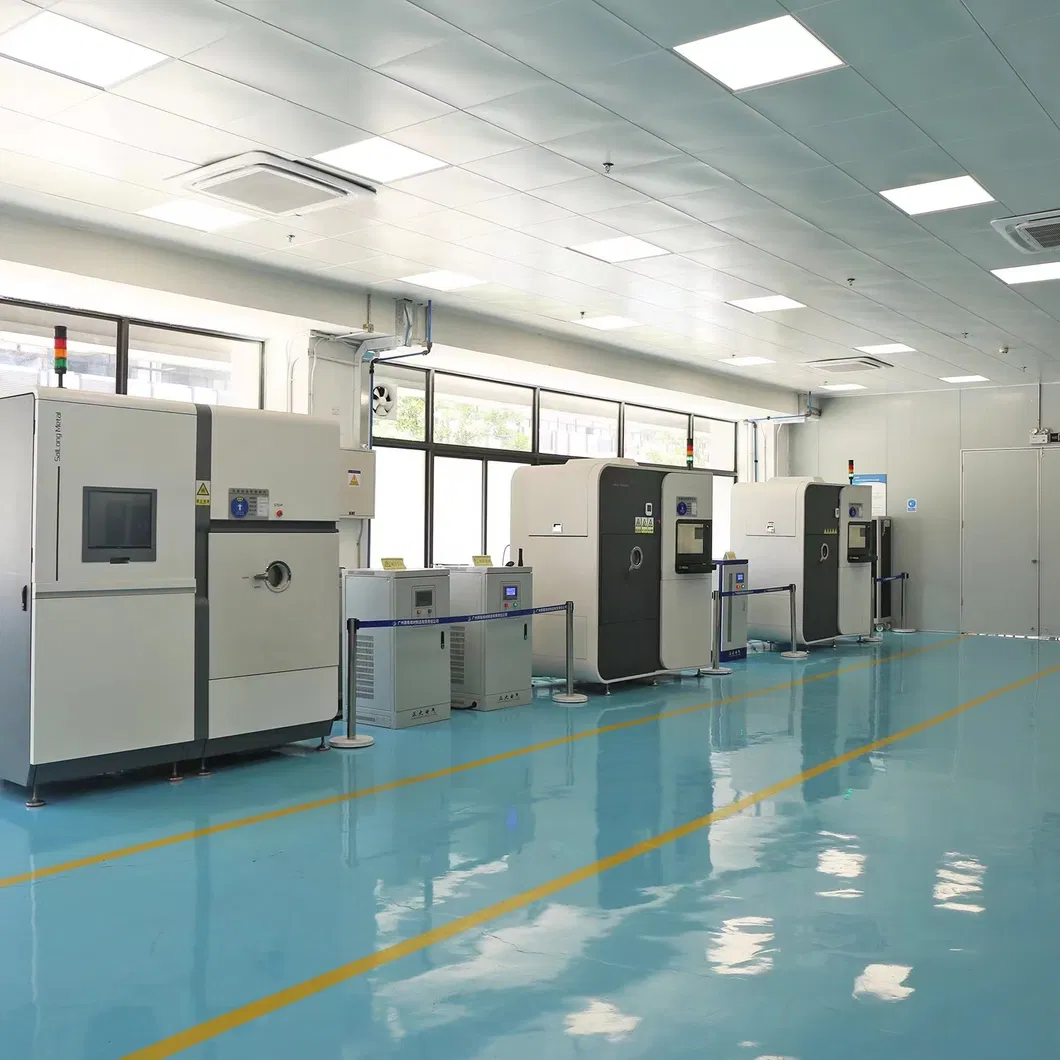
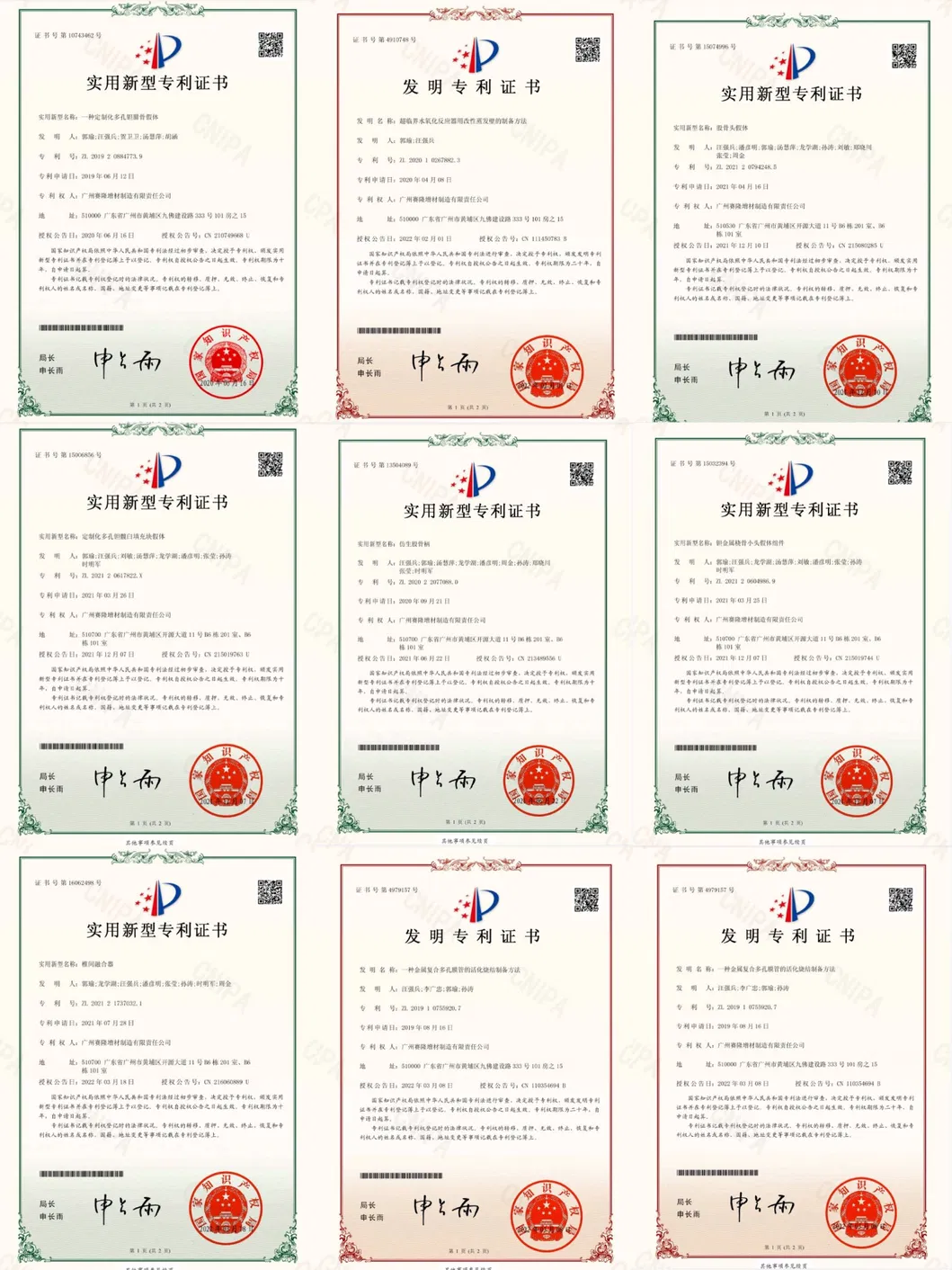
Specialized in production and technical services of powder bed electron beam 3D printing (SEBM), plasma rotating electrode atomization powder manufacturing (PREP) technology and equipment, metal powder and powder metallurgy products.

Metal 3D Printing Medical Implant
Metal 3D printing removes many of the constraints seen in more traditional manufacturing methods such as milling, casting or fabrication. This opens up new possibilities for complex geometries and mass customisation of parts, at a commercially viable cost, that were previously unfeasible.
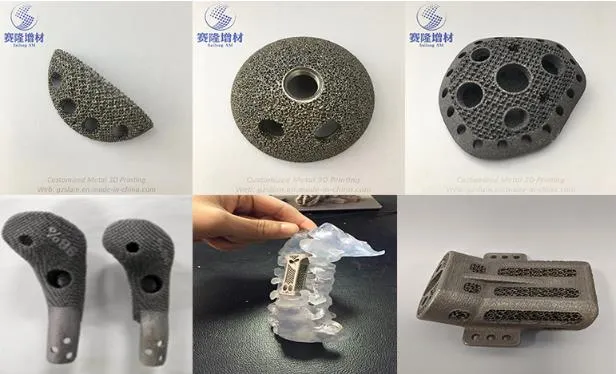
Key Advantages
✓
Expertise: High-level technical team providing specialized solutions.
✓
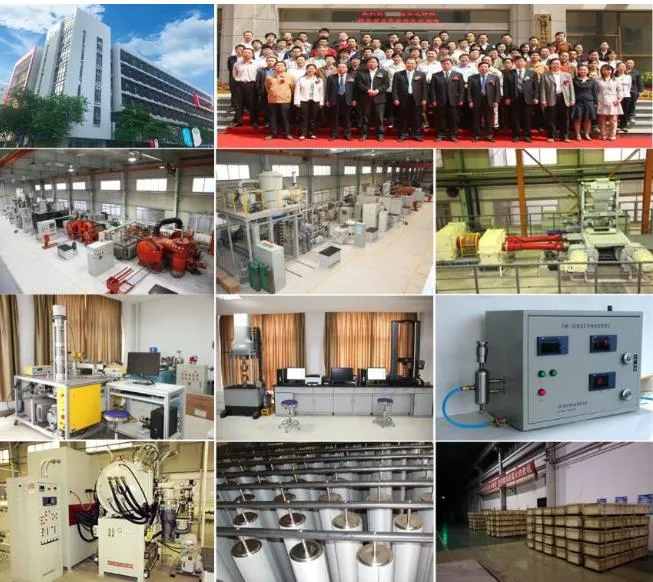
Experienced: Over 1000 cases of powder bed electron beam melting 3D printing provided for domestic top-tier clinical units. Both standardized and personalized implants successfully applied.
✓
Cost-Effective: Full service capability including materials, 3D printers, and printing services to minimize costs.
Scope of Design & Development
Engaged in the design, development, and production of spherical metal powder, powder equipment, metal 3D printing parts, porous metal materials, and titanium alloy products, widely used in additive manufacturing, laser cladding, and electronic products.
Frequently Asked Questions
Q1. What is the typical delivery time for custom implants?
Generally, it will take 8 to 15 days after receiving your advance payment. The specific delivery time depends on the items and the quantity of your order.
Q2. Can you manufacture products based on specific samples or drawings?
Yes, we can produce by your samples or technical drawings. We have the capability to build the necessary molds and fixtures.
Q3. What is your sample policy for new clients?
We can supply the sample if we have ready parts in stock, but the customers are responsible for the sample cost and the courier cost.
Q4. Do you perform quality testing on all goods before shipping?
Yes, we conduct 100% testing on all goods before delivery to ensure the highest quality standards.
Q5. How do you maintain long-term business relationships?
We maintain good quality and competitive pricing to ensure our customers benefit. We treat every customer as a friend and sincerely conduct business regardless of their origin.
Q6. What materials are most commonly used for 3D printed implants?
We primarily use Titanium, Tantalum, and Cobalt Chrome due to their excellent biocompatibility, corrosion resistance, and physical properties.