Clerivida Medical
1 / 5
Make a small 1-3 cm incision near the fracture site, avoiding nerves and vessels. Gently separate soft tissues layer by layer to fully expose the fracture end.
Restore anatomical position using manual traction and rotation. Continuously monitor with C-arm fluoroscopy for accuracy.
Insert the guide wire along the designed path under fluoroscopic guidance, ensuring it is perpendicular to the fracture plane.
Measure using a dedicated device over the guide wire. Select a screw 2-4 mm shorter than the measured length for optimal compression.
Use a cannulated drill bit with irrigation cooling. Insert the headless compression screw over the guide wire until the head is flush with the bone.
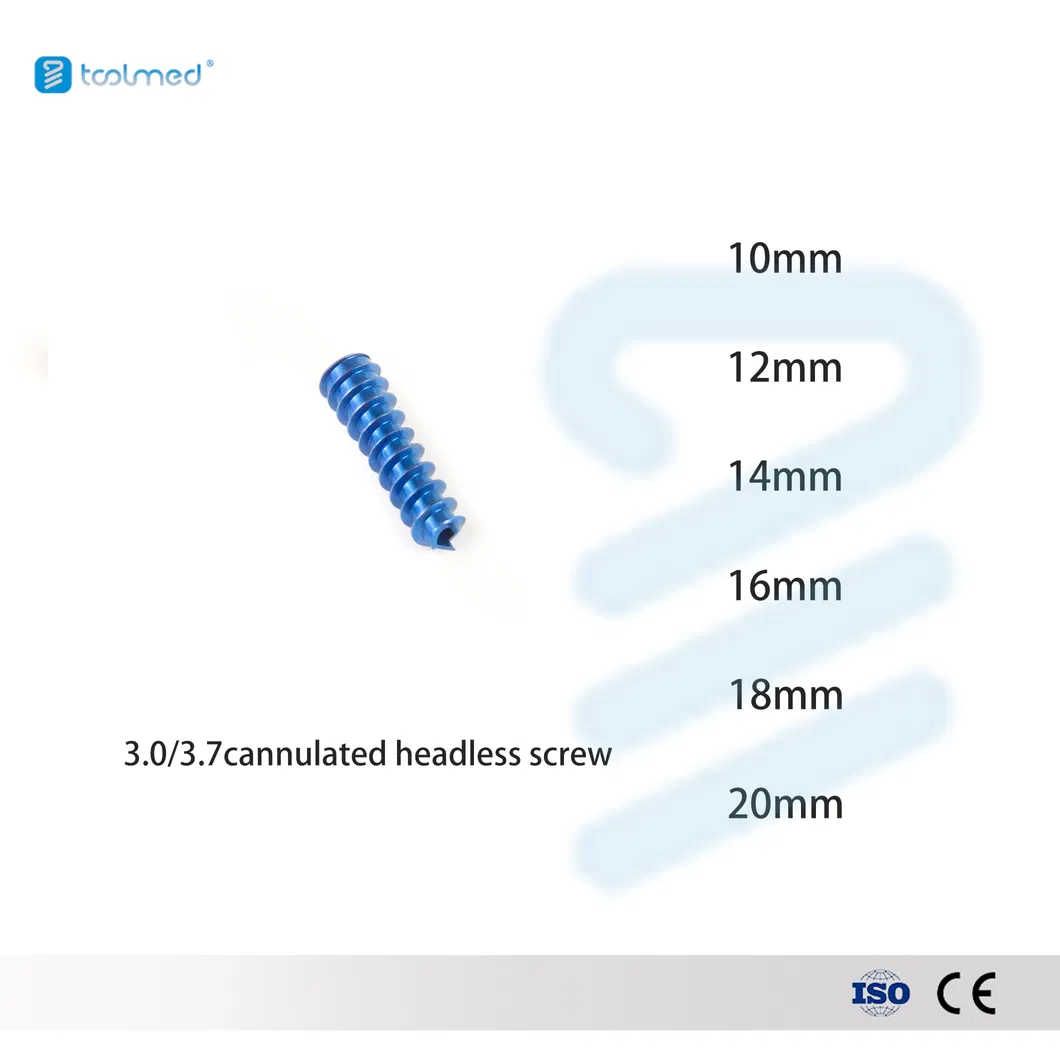
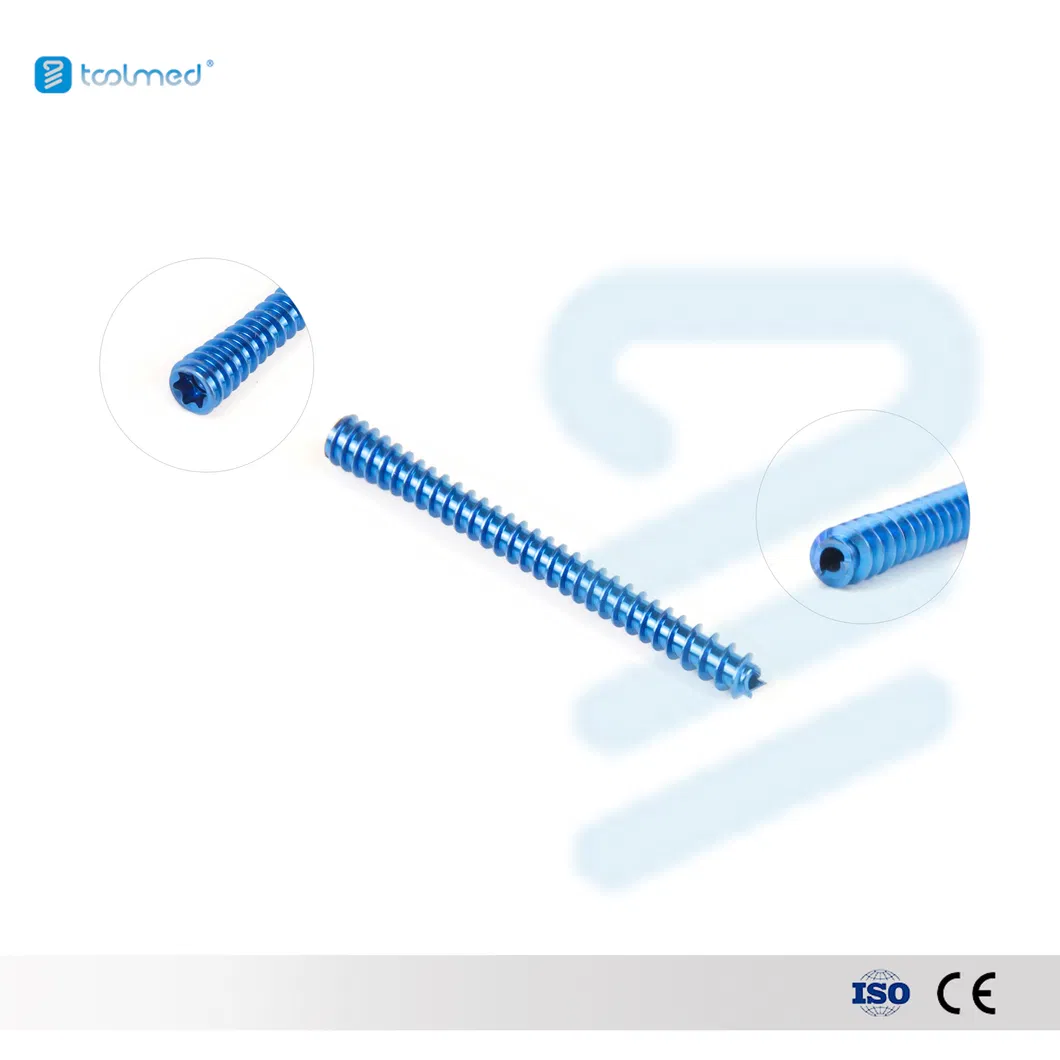
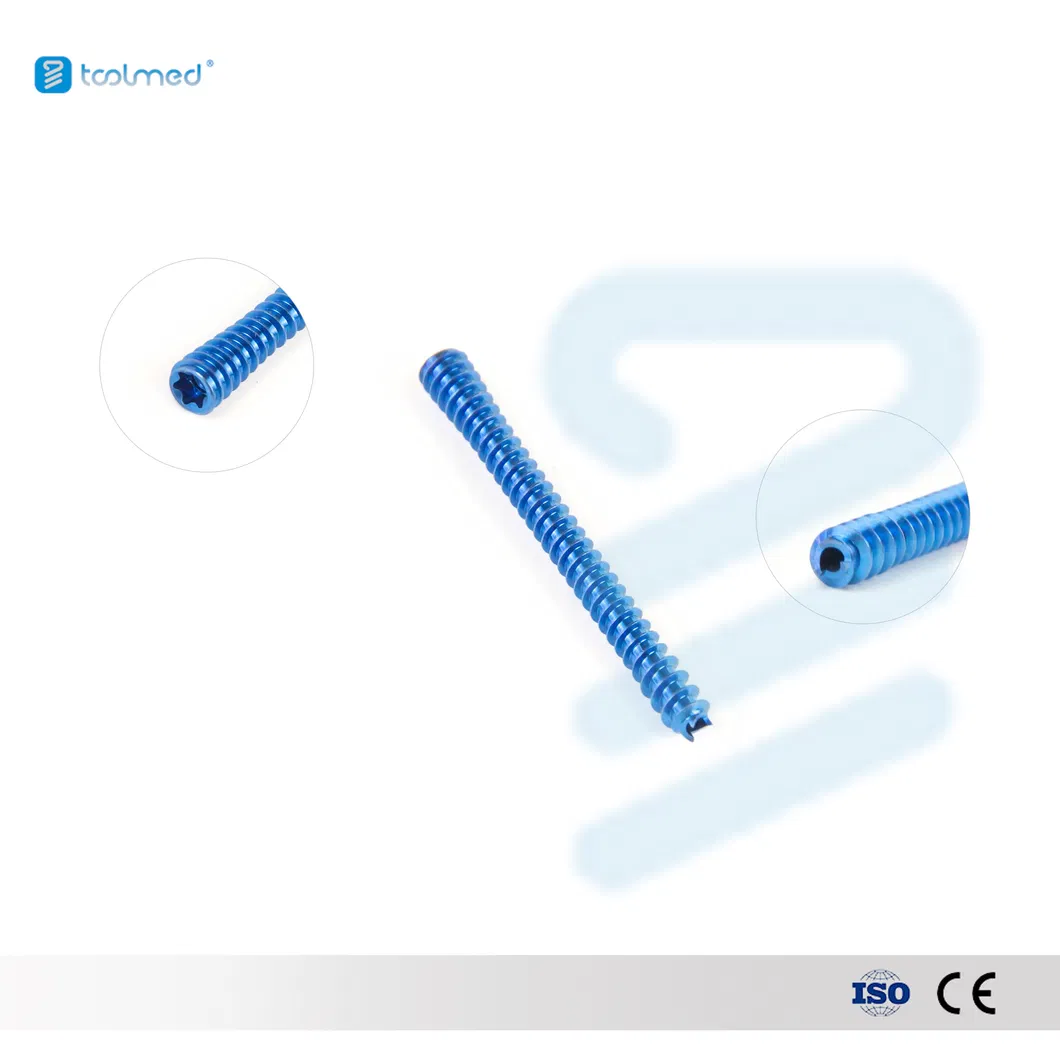
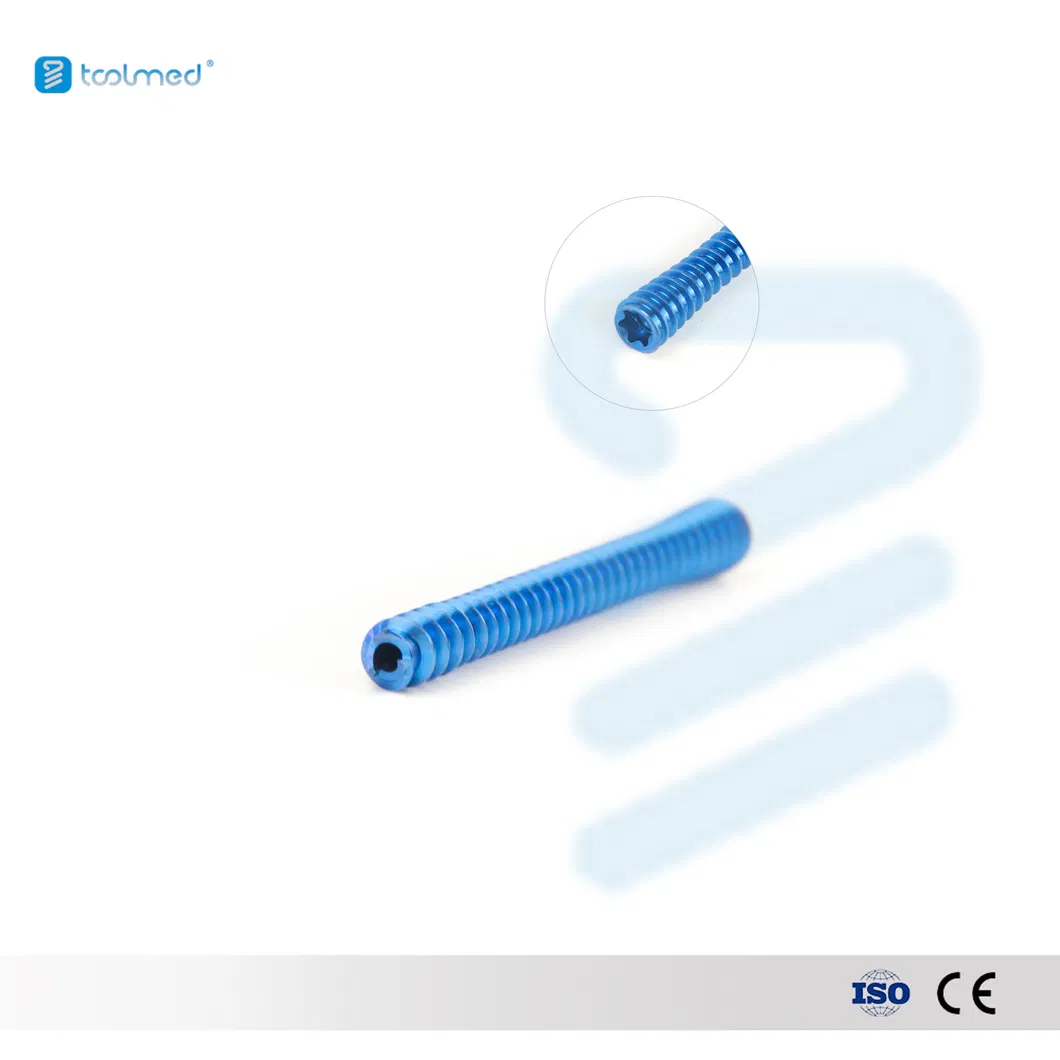
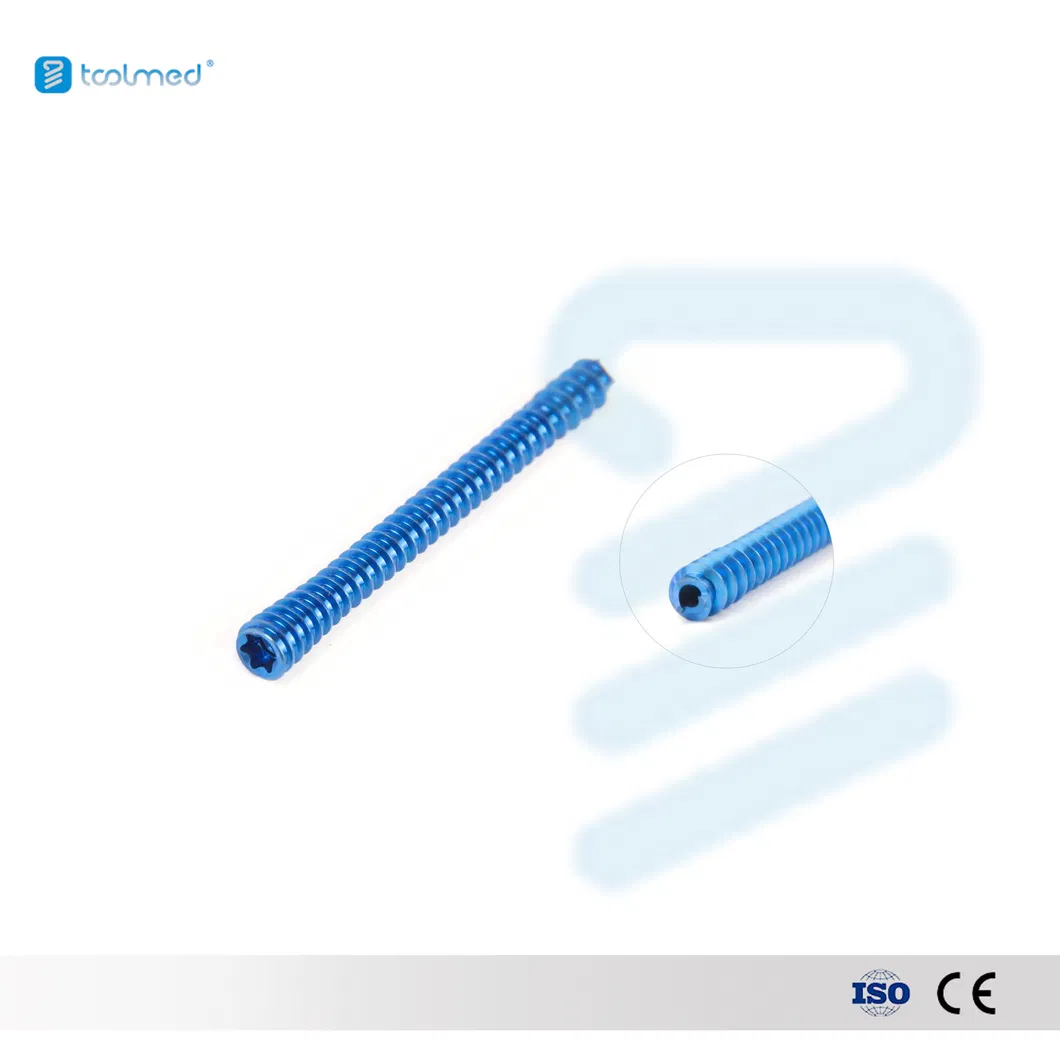
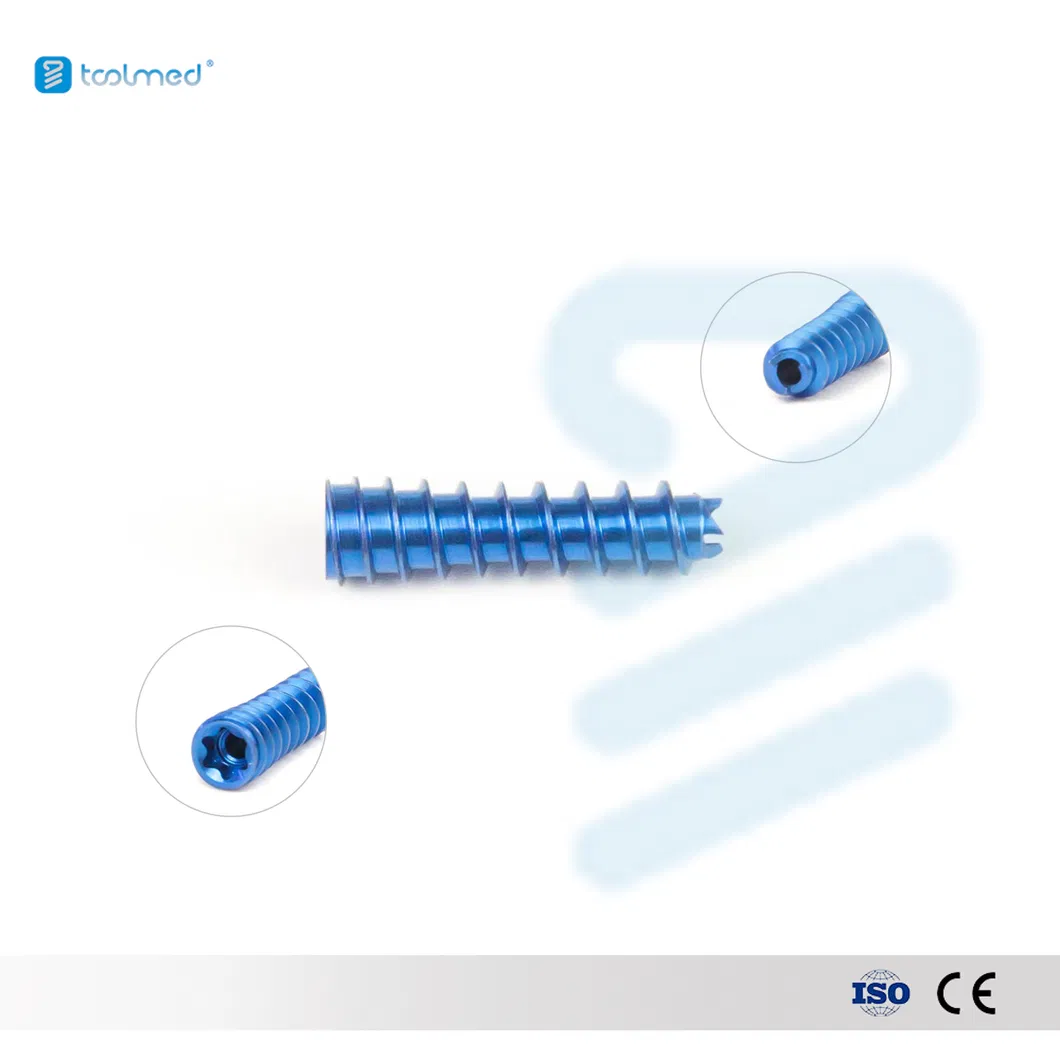
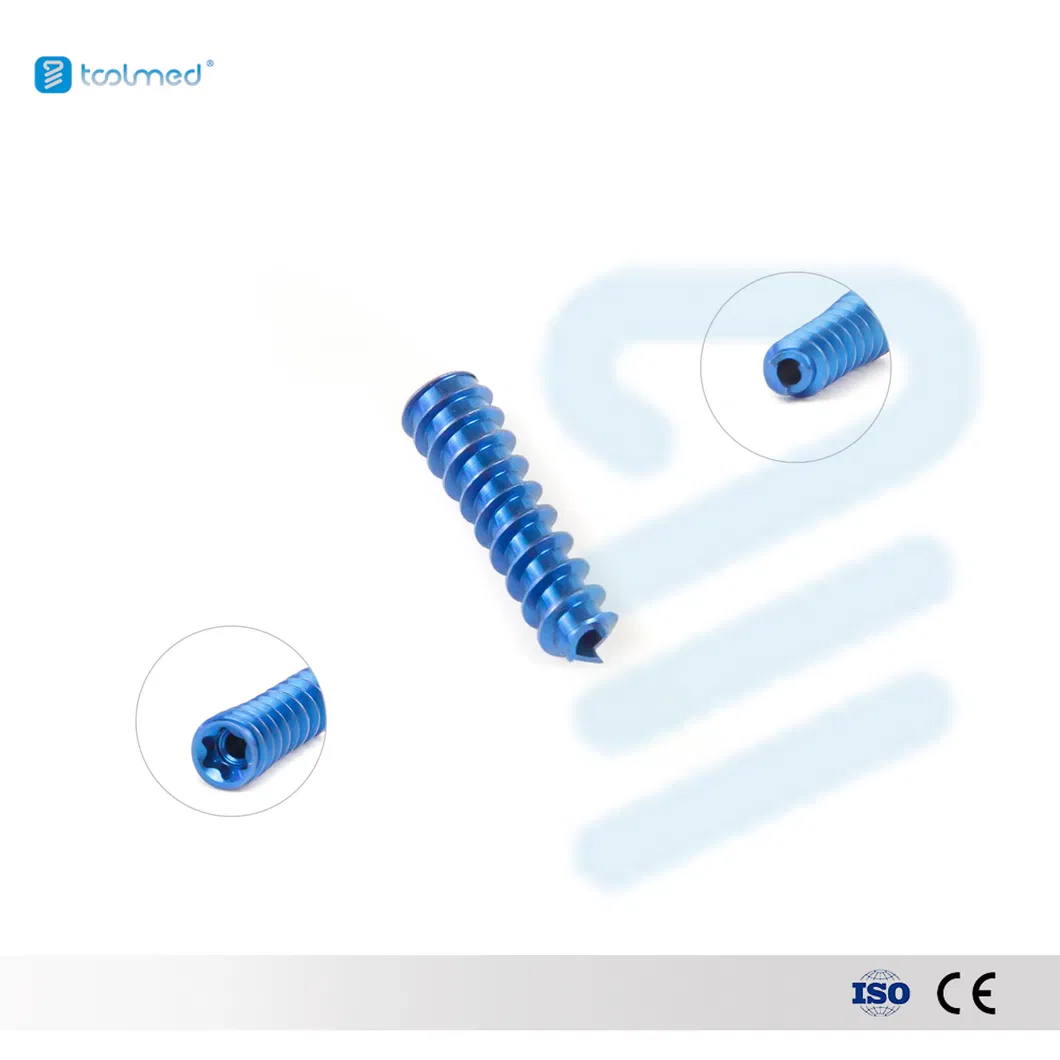
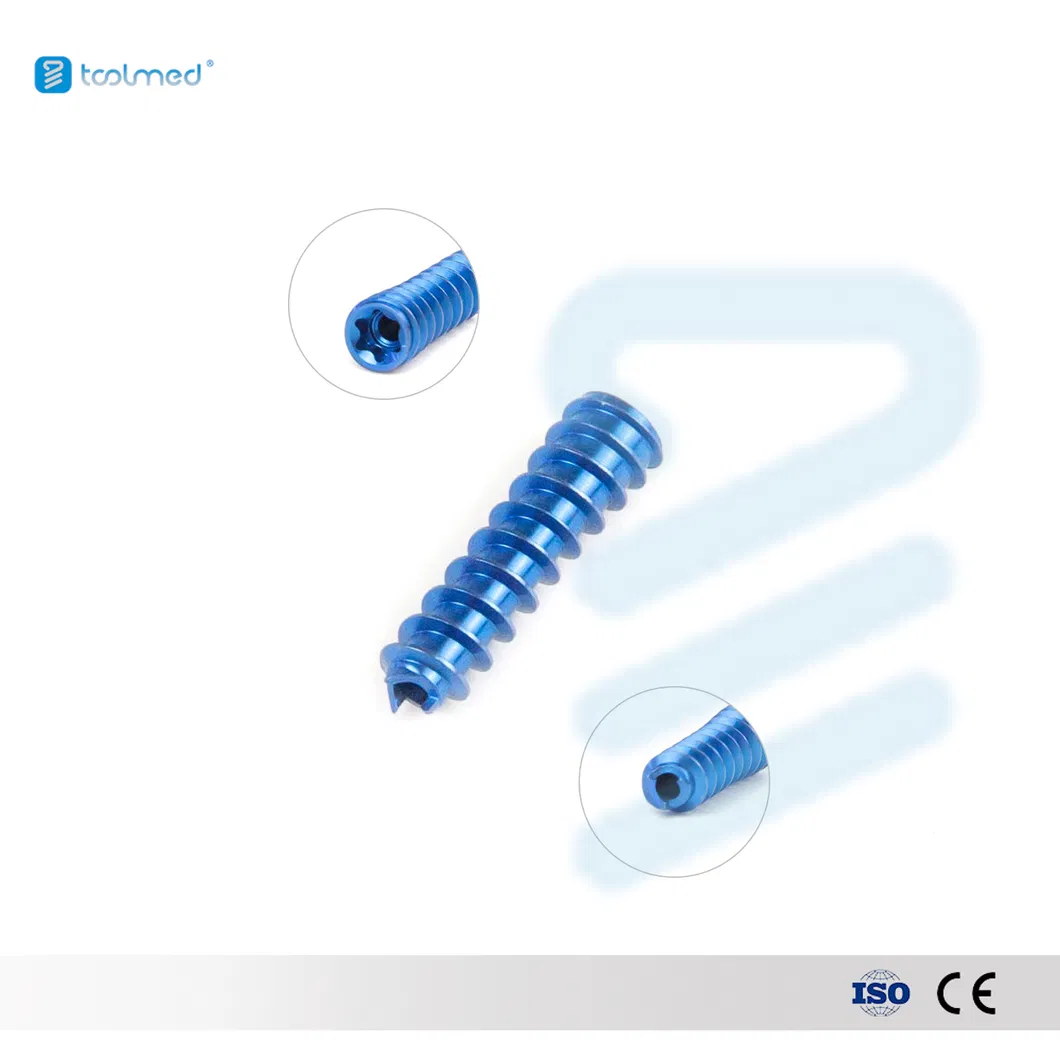
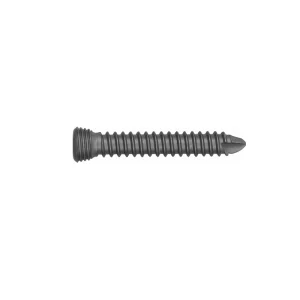
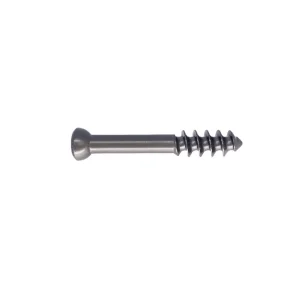
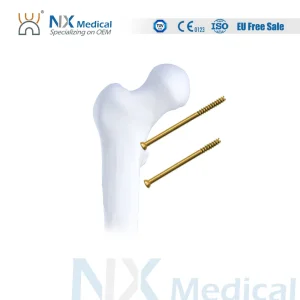
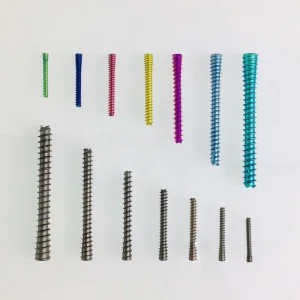
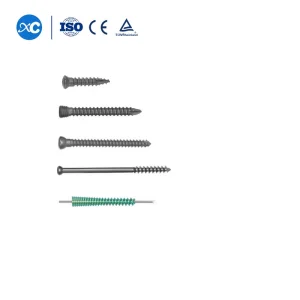
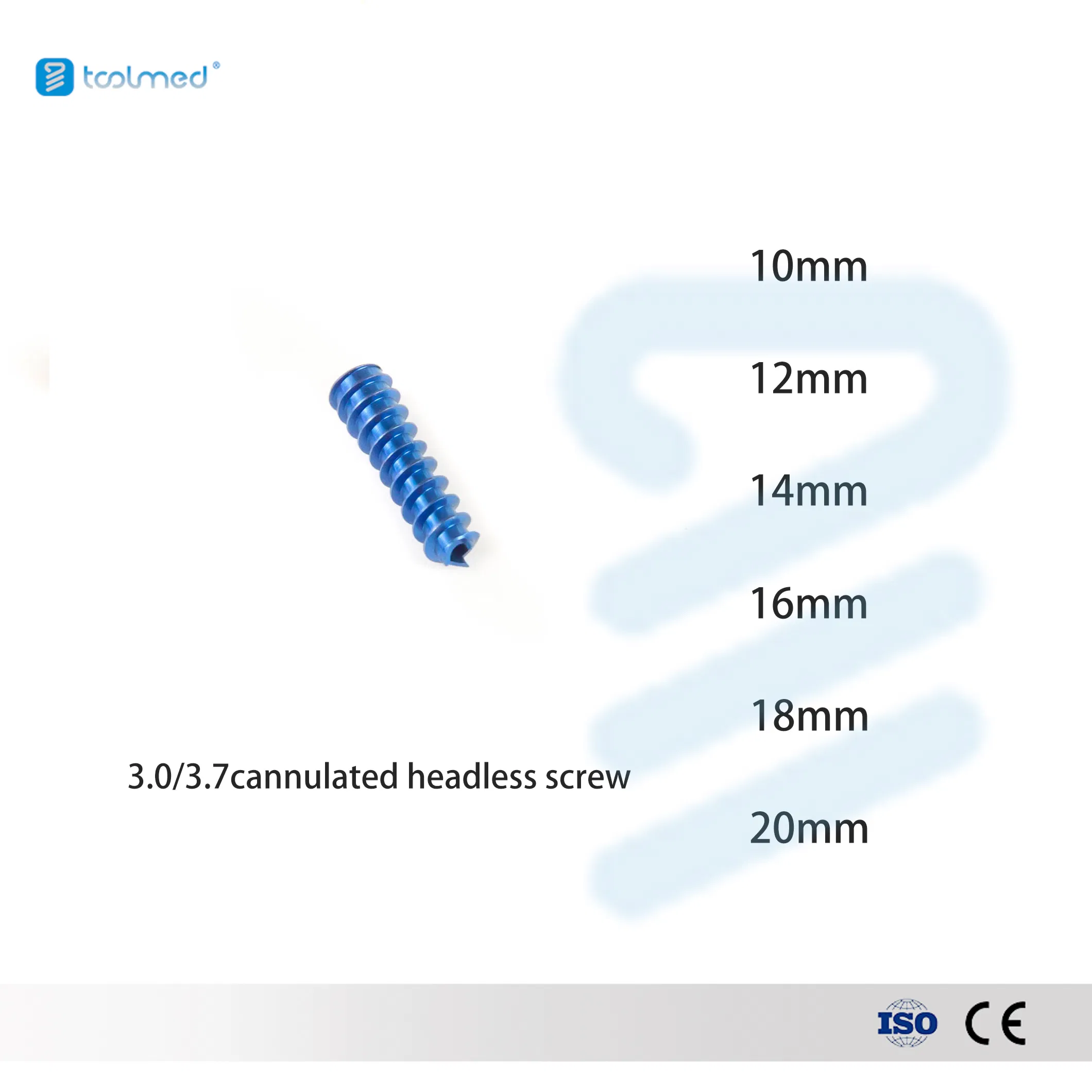
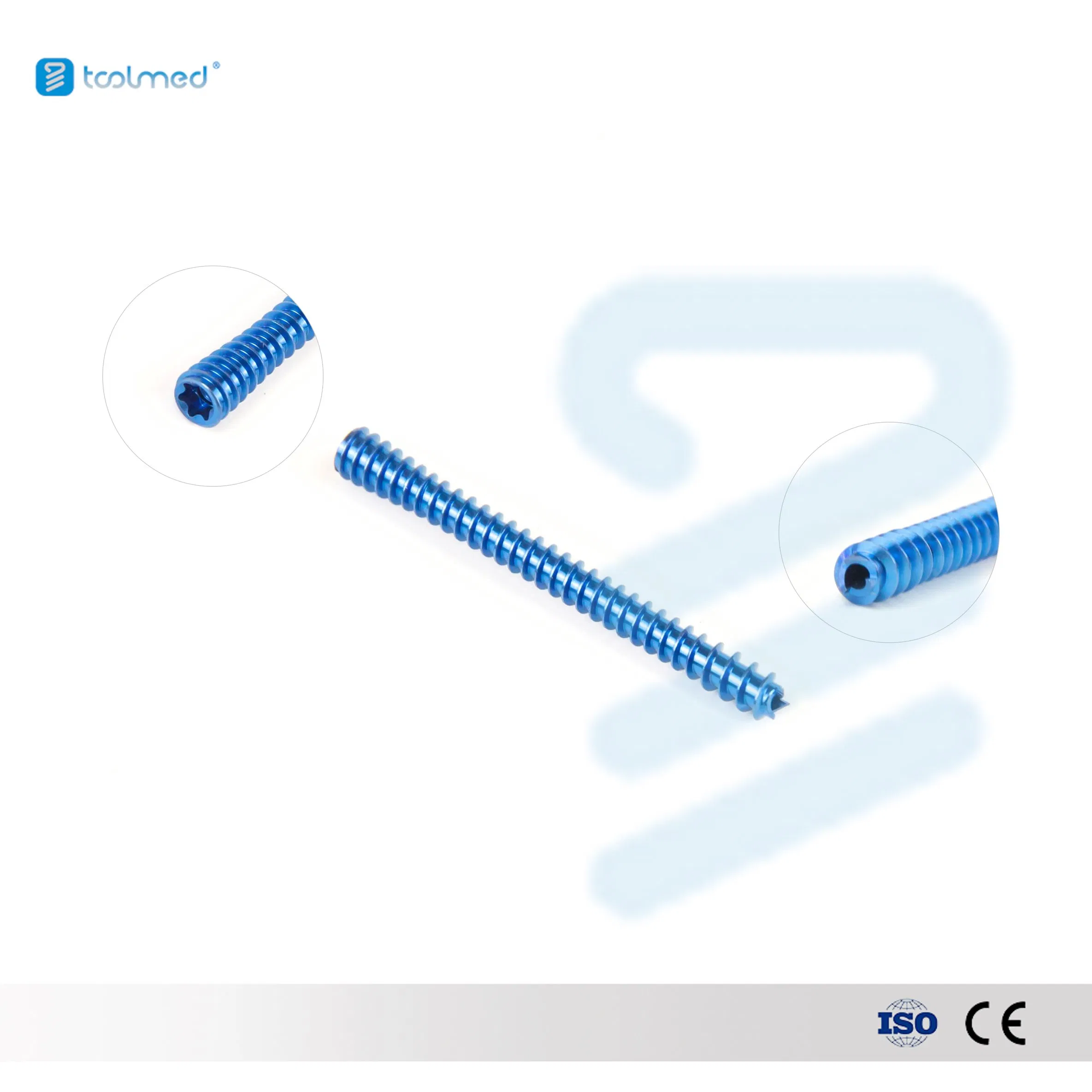
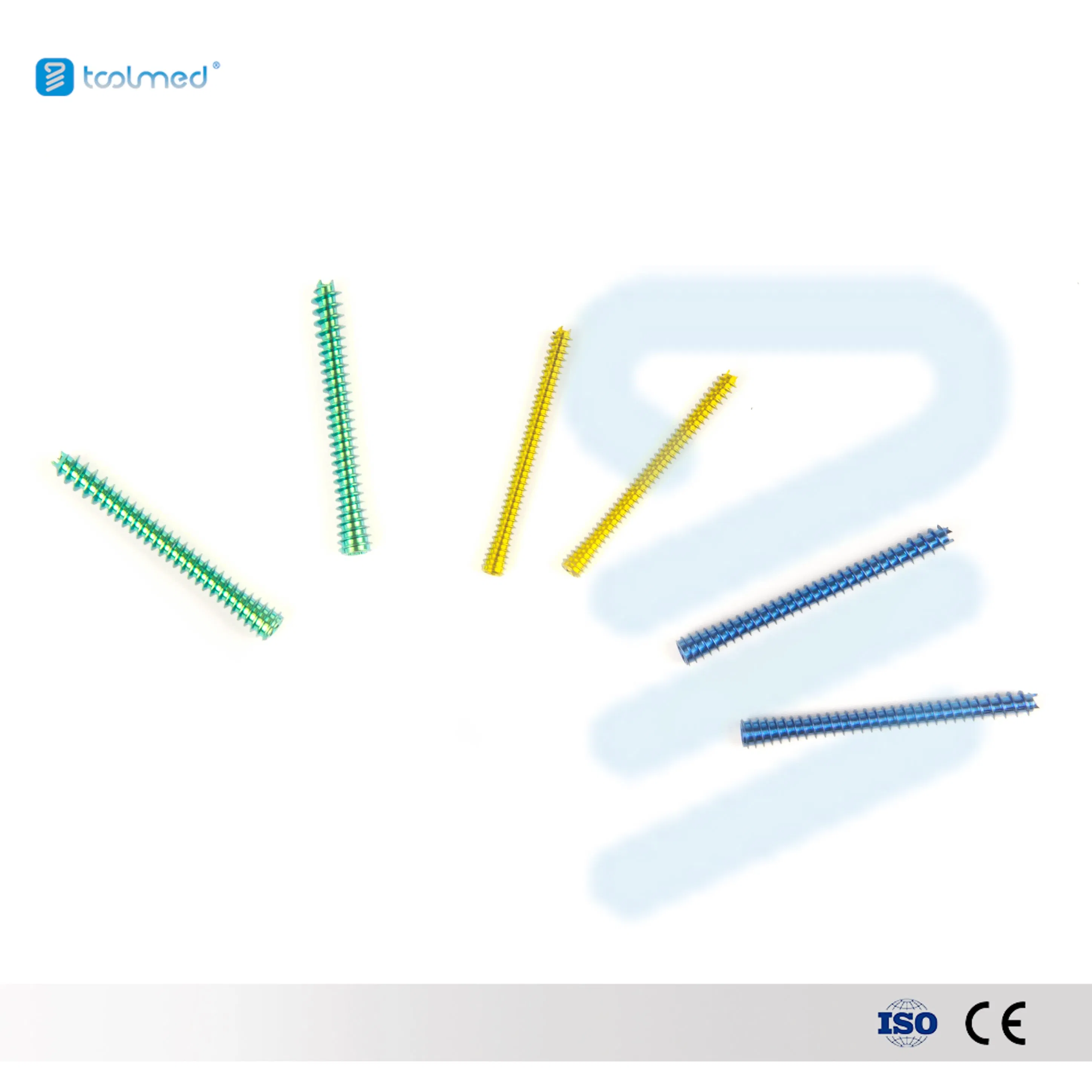
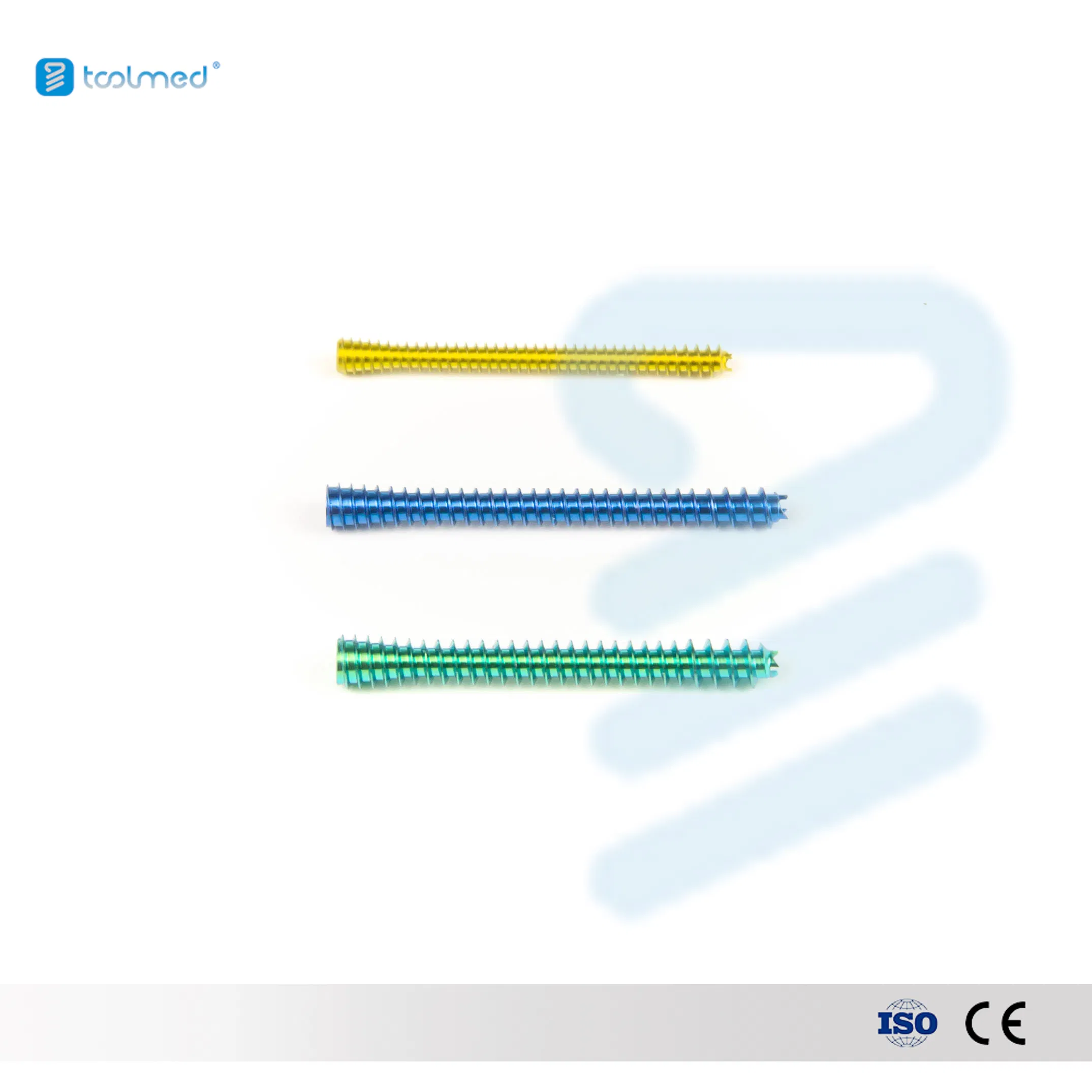
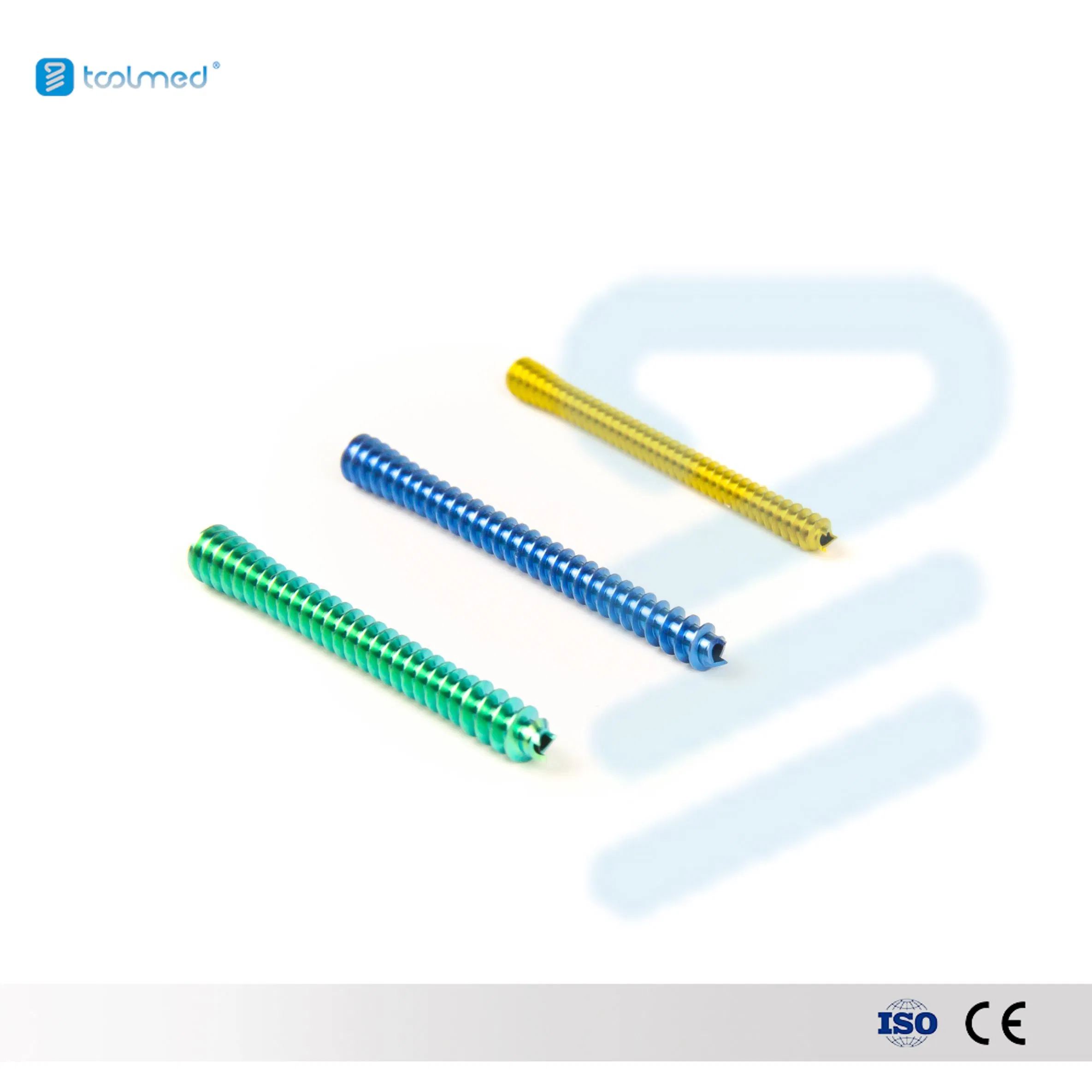
A Cannulated Headless Compression Screw (CHCS) is an advanced orthopedic implant designed primarily for scaphoid and long bone fracture fixation. Its unique headless design allows for complete burial within the bone, significantly reducing soft tissue irritation and allowing for a greater range of joint motion.
By utilizing a cannulated (hollow) center, surgeons can achieve high-precision placement using guide wires, ensuring stable fixation and controlled compression across the fracture site to promote faster healing.