Clerivida Medical
1 / 5
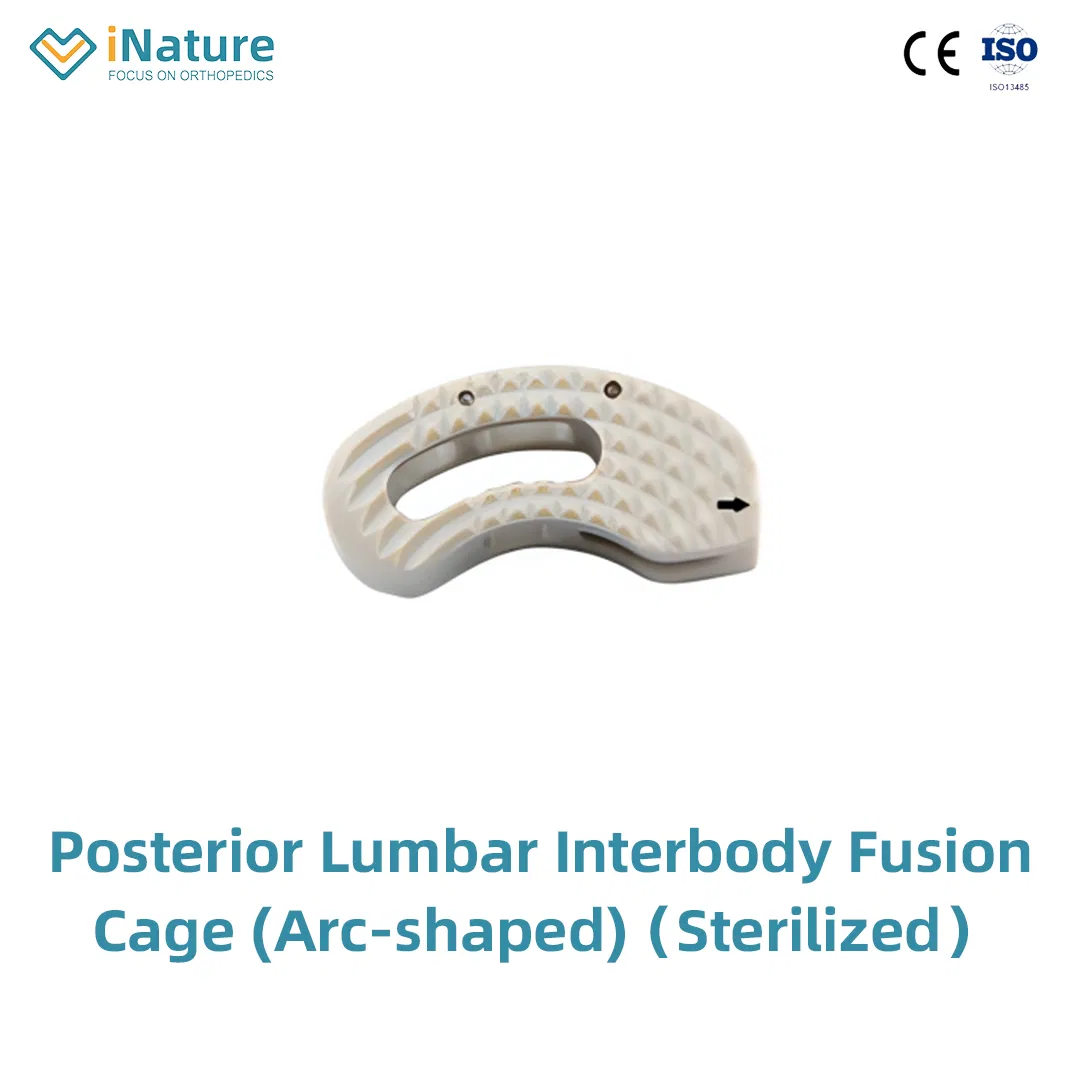
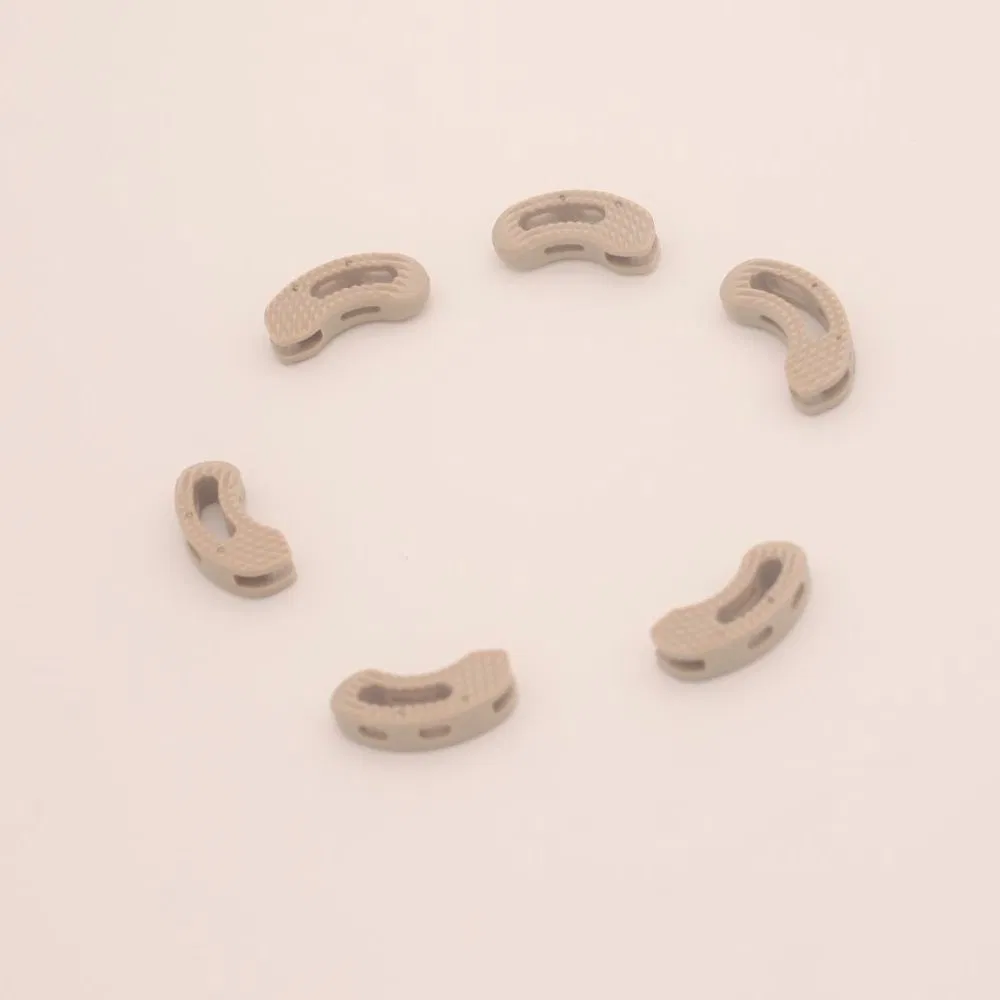
TLIF is a unilateral approach for interbody fusion to restore normal intervertebral space height and lumbar spine physiological lordosis. It is characterized by a posterior approach, entering the spinal canal from one side. This method reduces cerebrospinal fluid leakage, minimizes nerve root stretching, and preserves contralateral structures, allowing for feasible 360° fusion while reconstructing the posterior tension band.
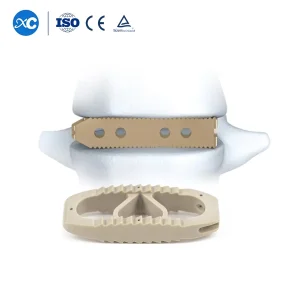
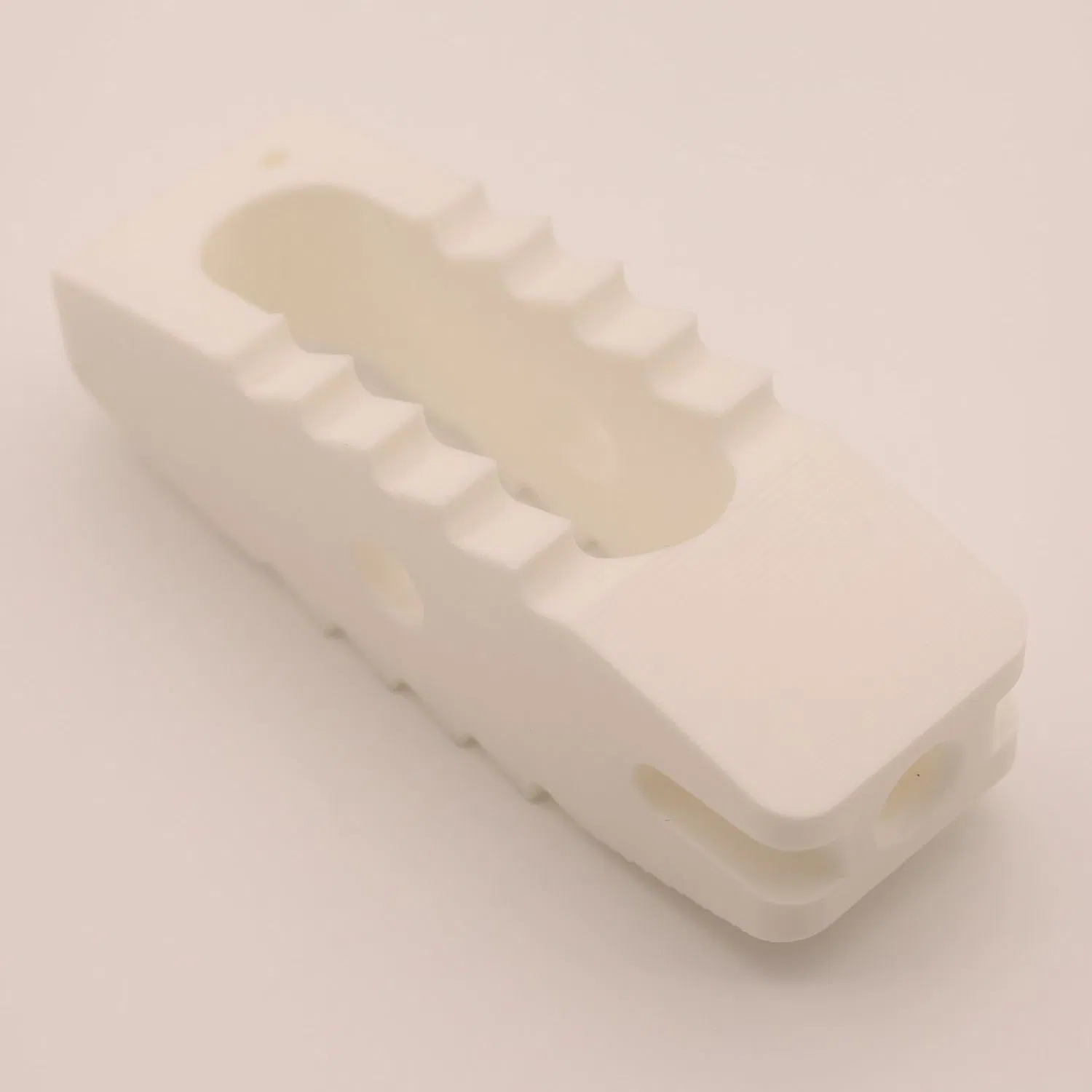
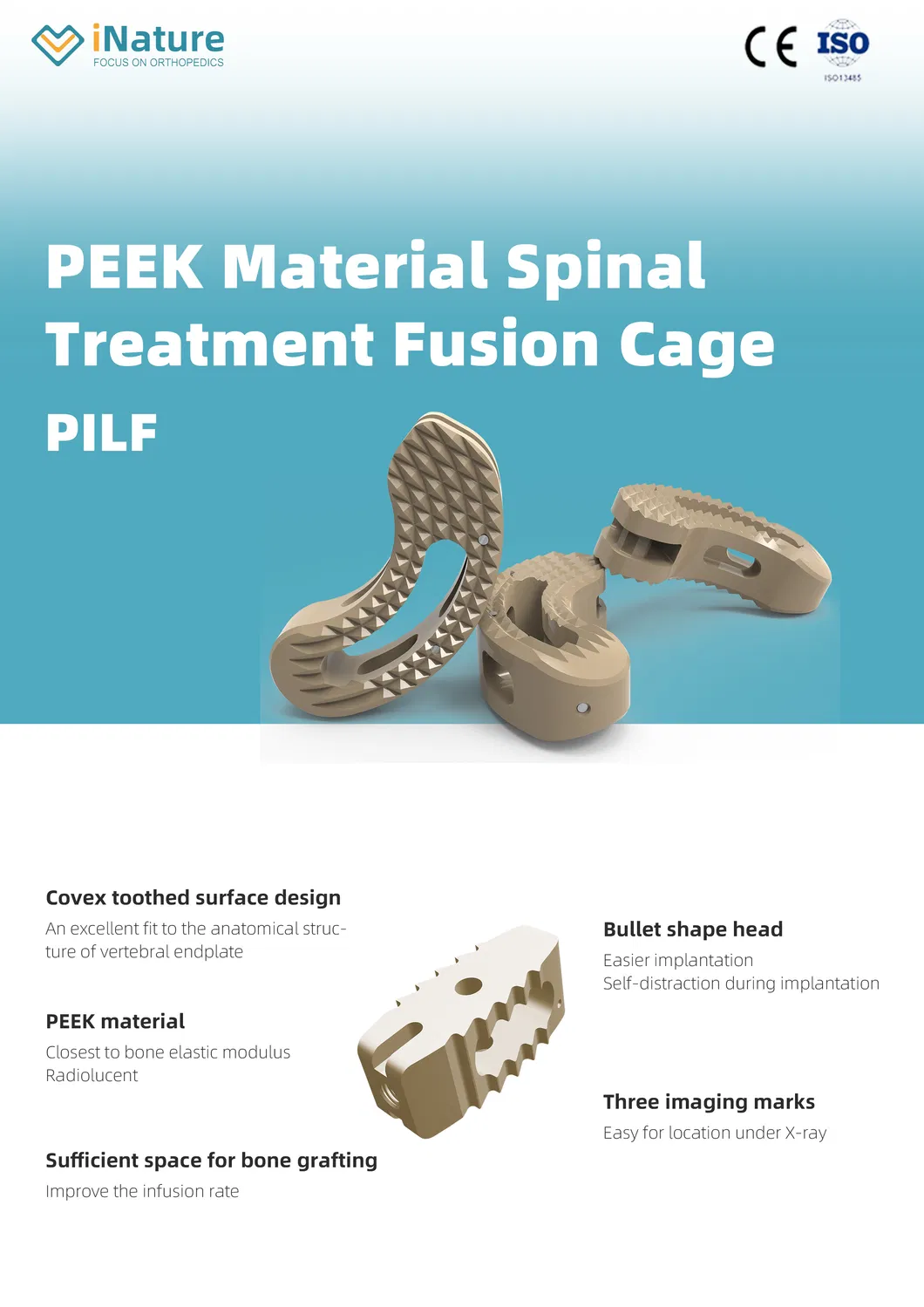
PLIF (posterior lumbar interbody fusion) is a surgical technique for fusing lumbar vertebrae by removing the intervertebral disc and replacing it with a PEEK or titanium cage. The vertebrae are stabilized by an internal fixator. This operation is performed from the posterior side of the back.
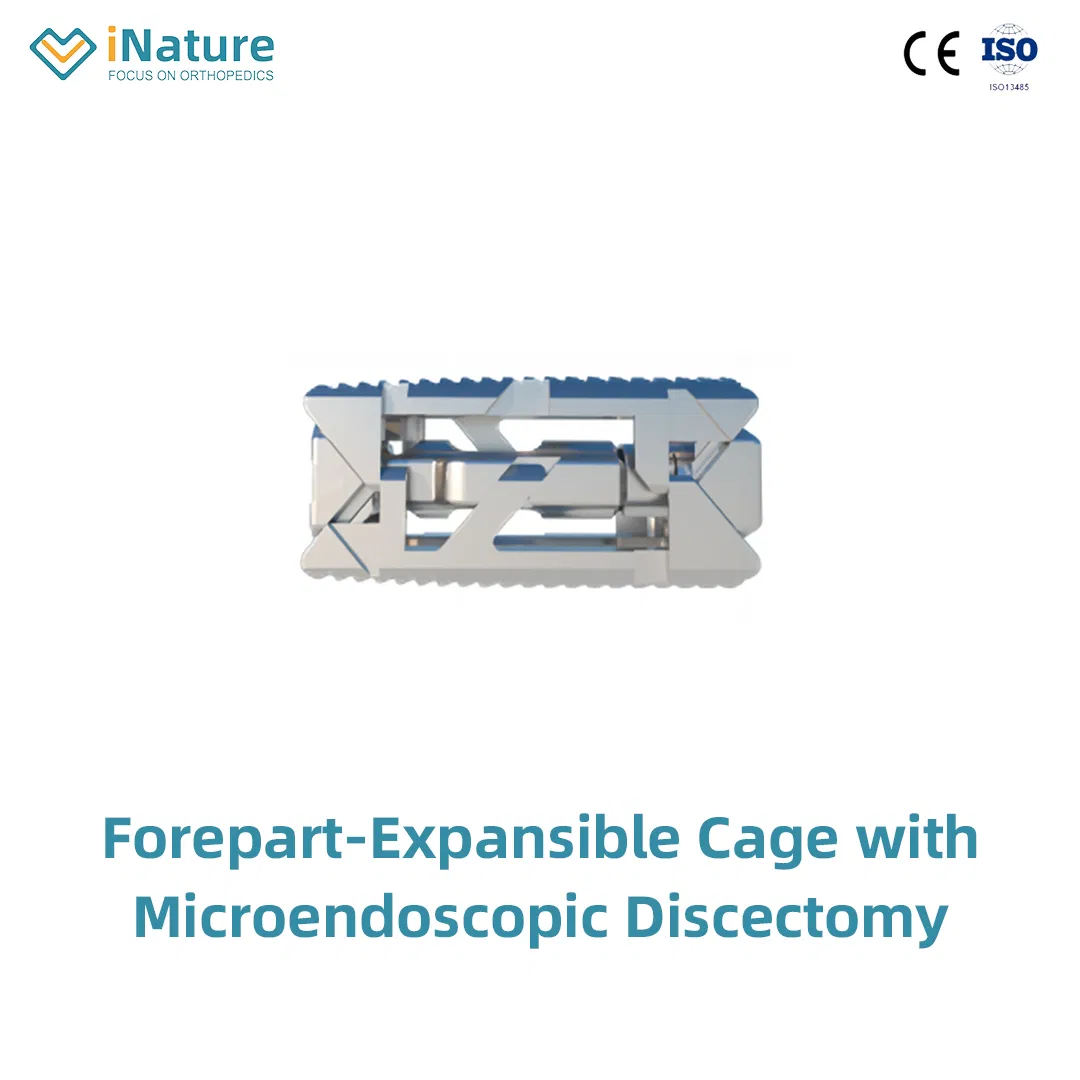
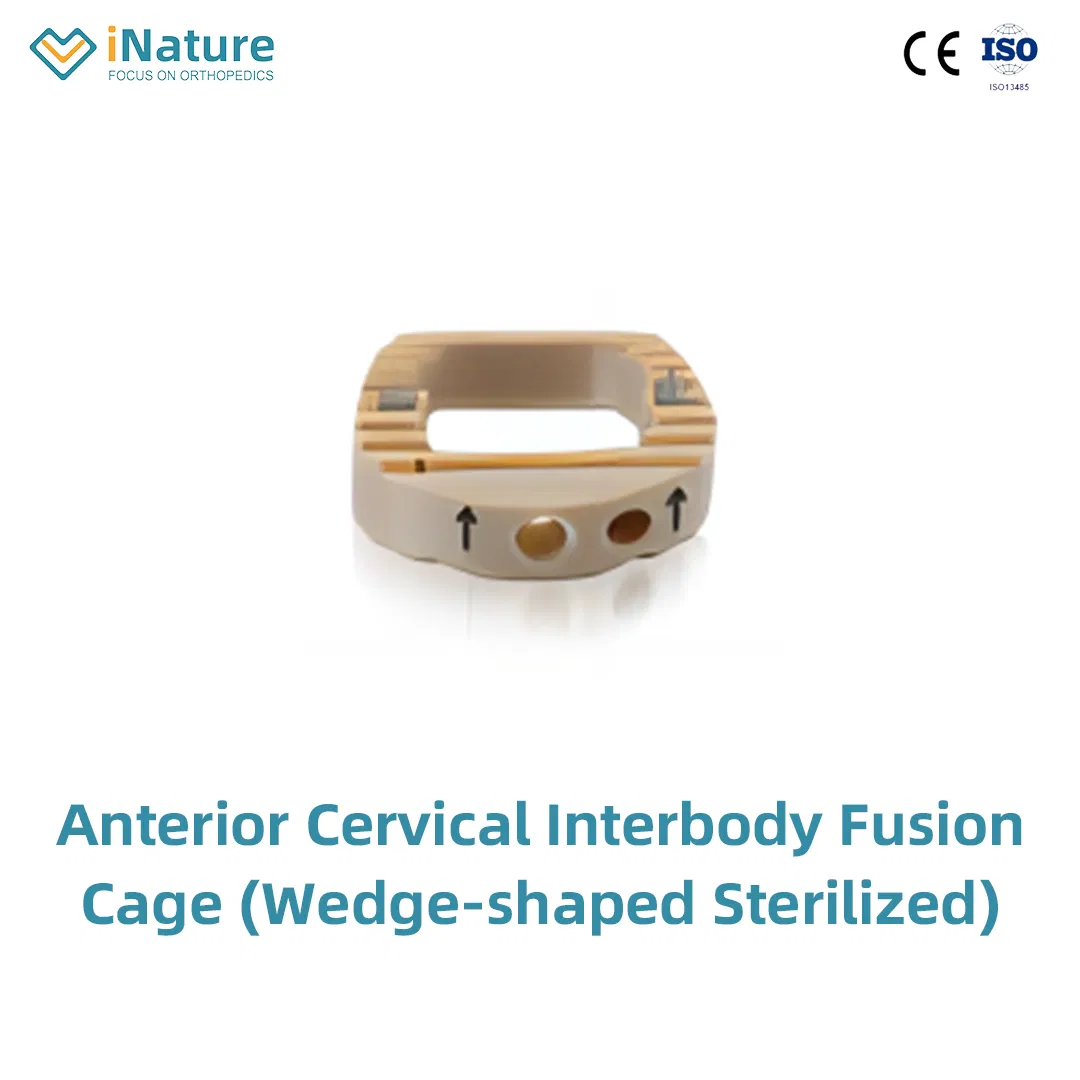
The cervical spine PEEK cages are highly radiolucent, bio-inert, and MRI compatible. The cage acts as a space holder between affected vertebrae, facilitating bone growth until it eventually integrates into the spine structure.
Indications include discogenic/facetogenic low back pain, neurogenic claudication, radiculopathy due to foraminal stenosis, and lumbar degenerative spinal deformities such as symptomatic spondylolisthesis and degenerative scoliosis.
| Product Name | Specification | Material |
|---|---|---|
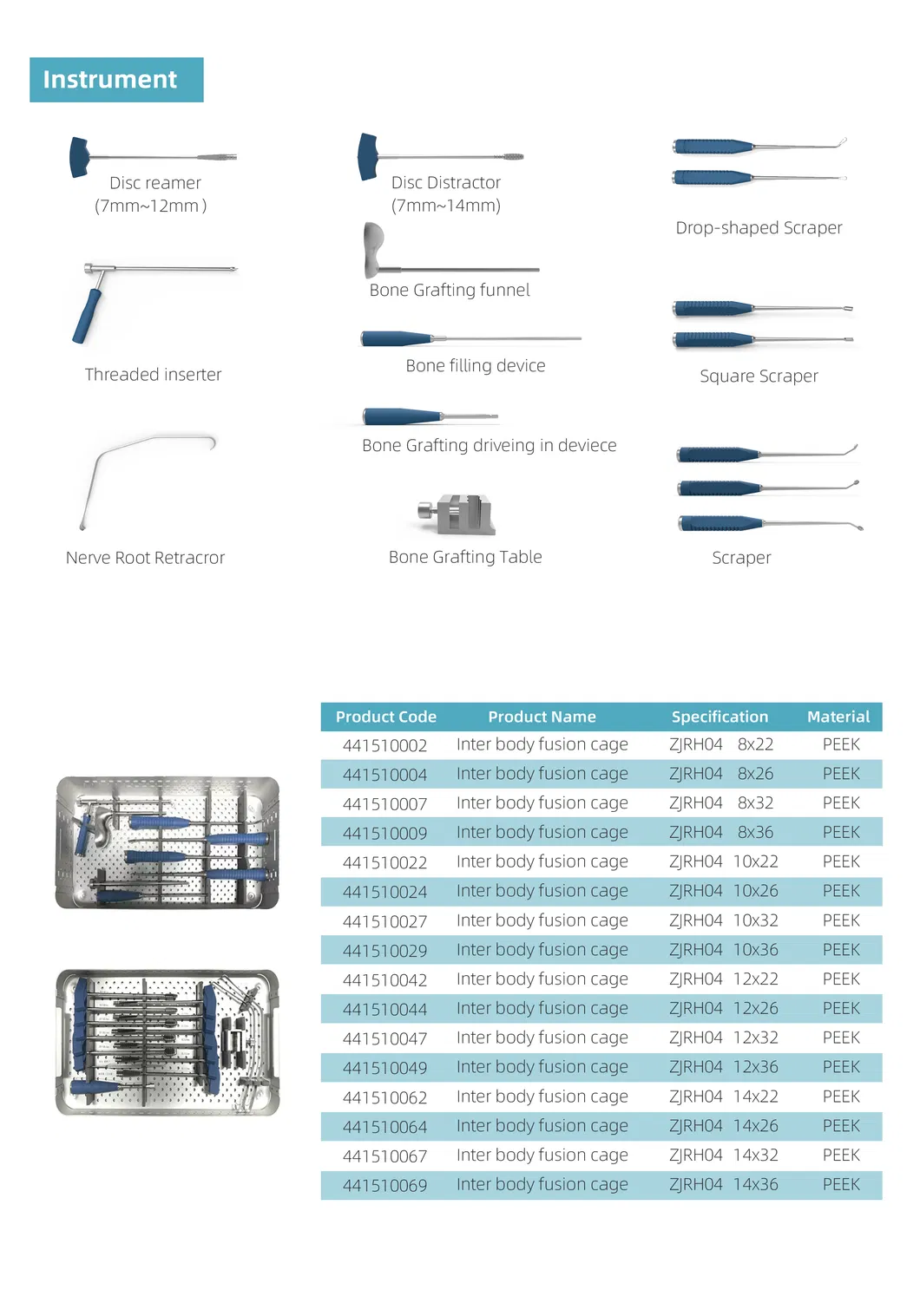
| Fusion Cage | ZJRH04, 8×22 - 8×36 | PEEK |
| Fusion Cage | ZJRH04, 10×22 - 10×36 | PEEK |
| Fusion Cage | ZJRH04, 12×22 - 12×36 | PEEK |
| Fusion Cage | ZJRH04, 14×22 - 14×36 | PEEK |
*All technical specifications are for reference. Exact details based on latest quotation.