PEEK Patient Specific Implant (PSI) for Craniomaxillofacial Repair and Fixation
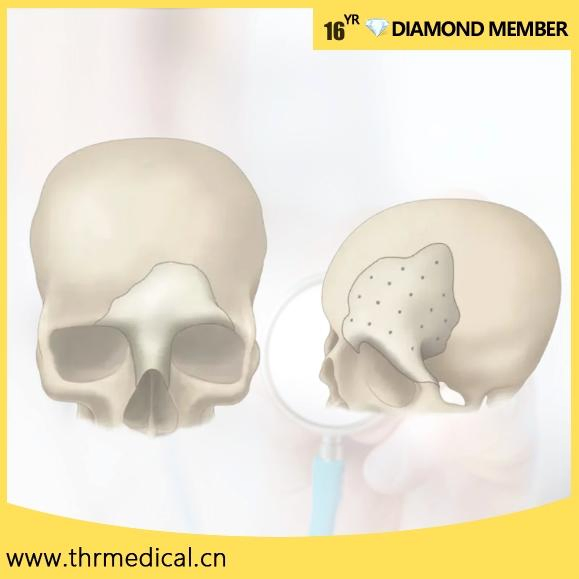
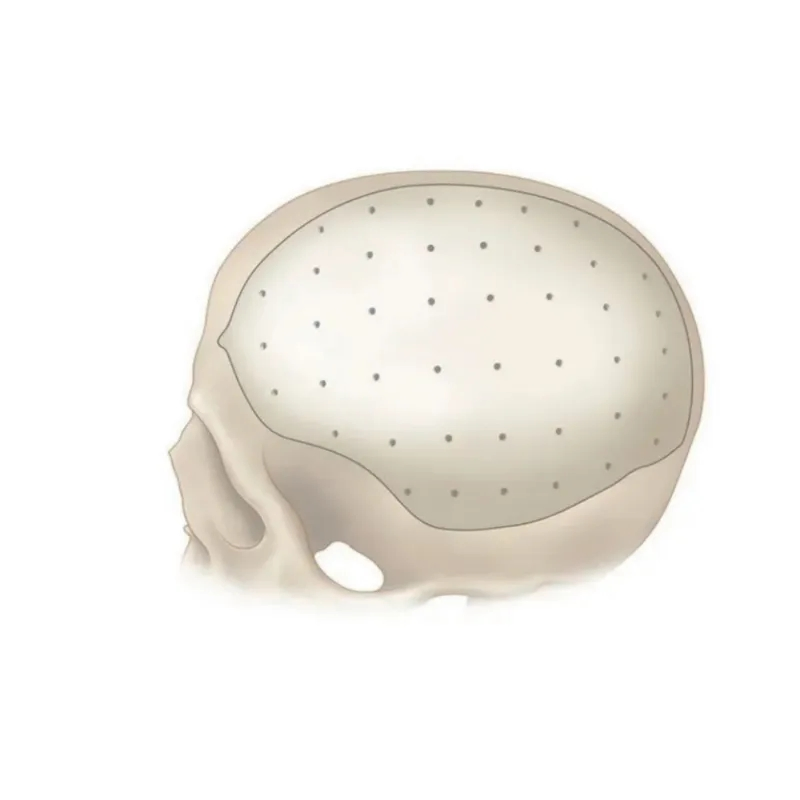
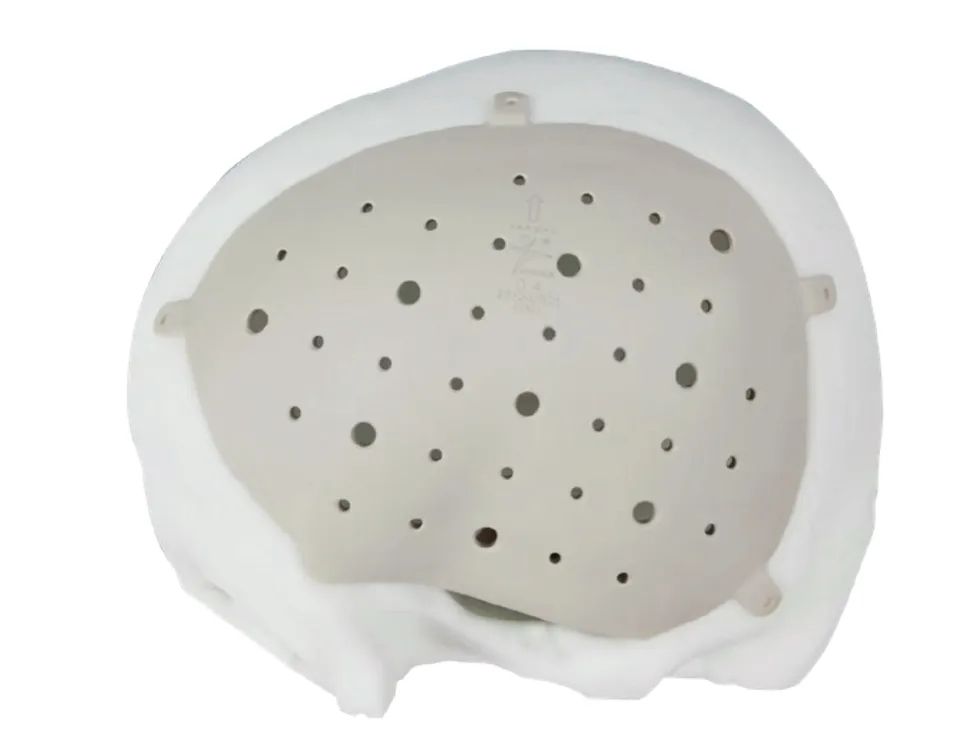
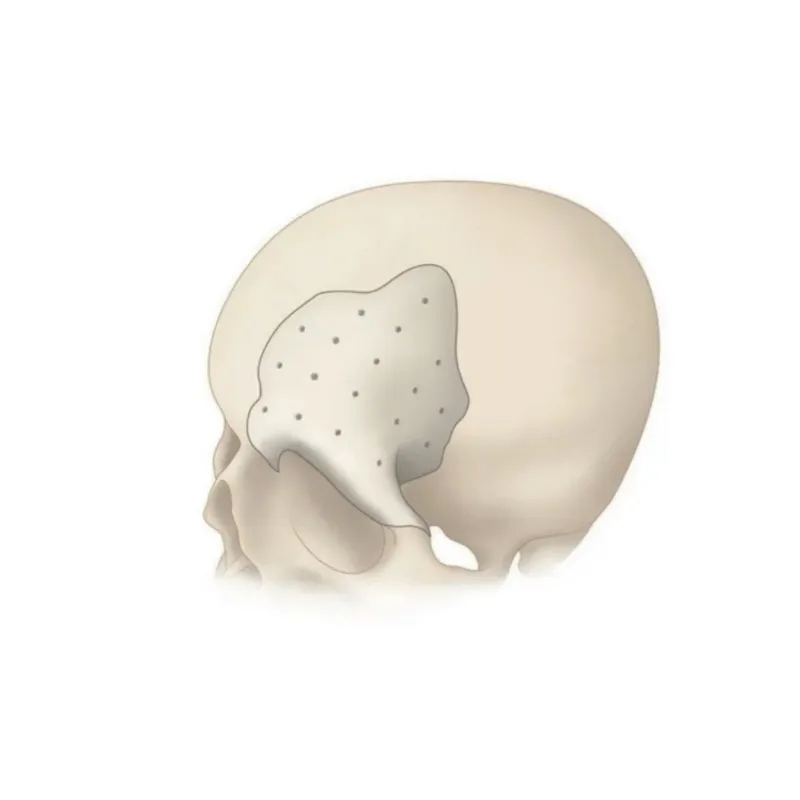
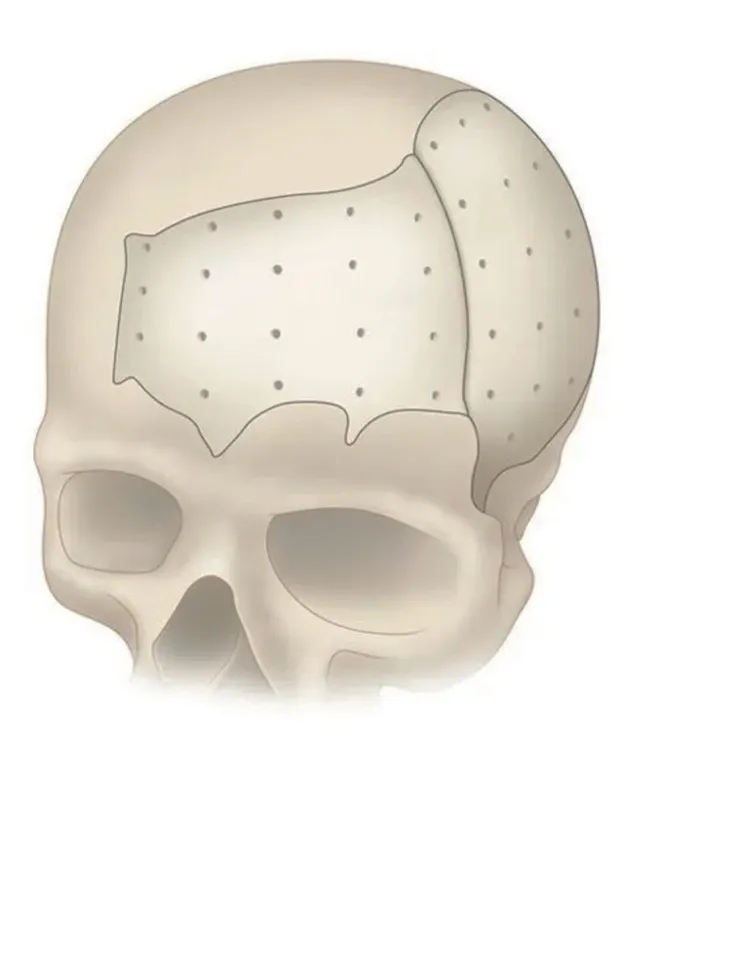
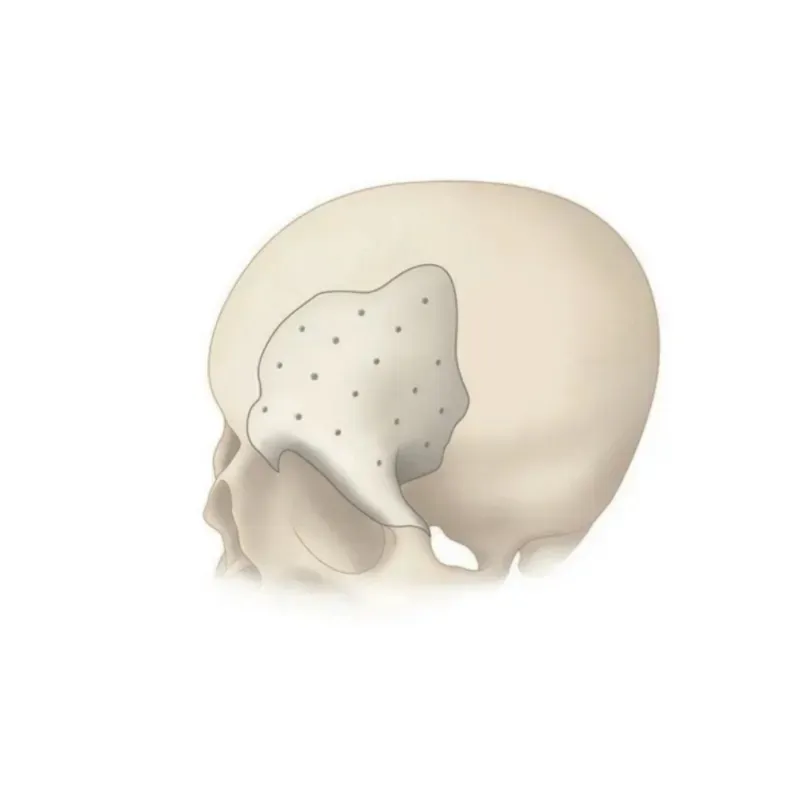
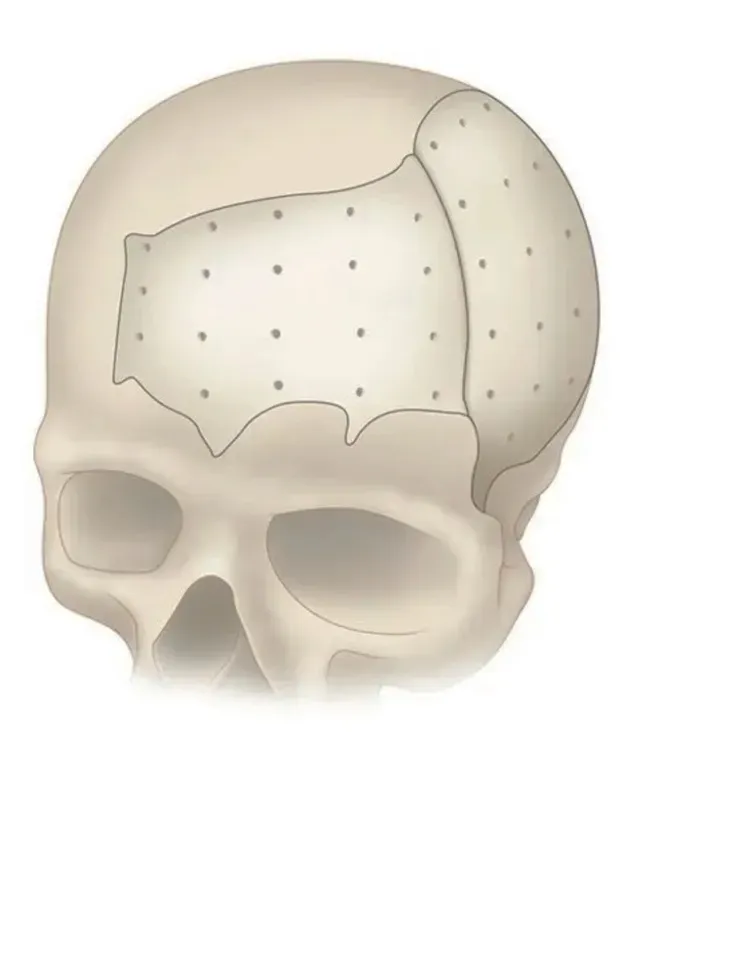
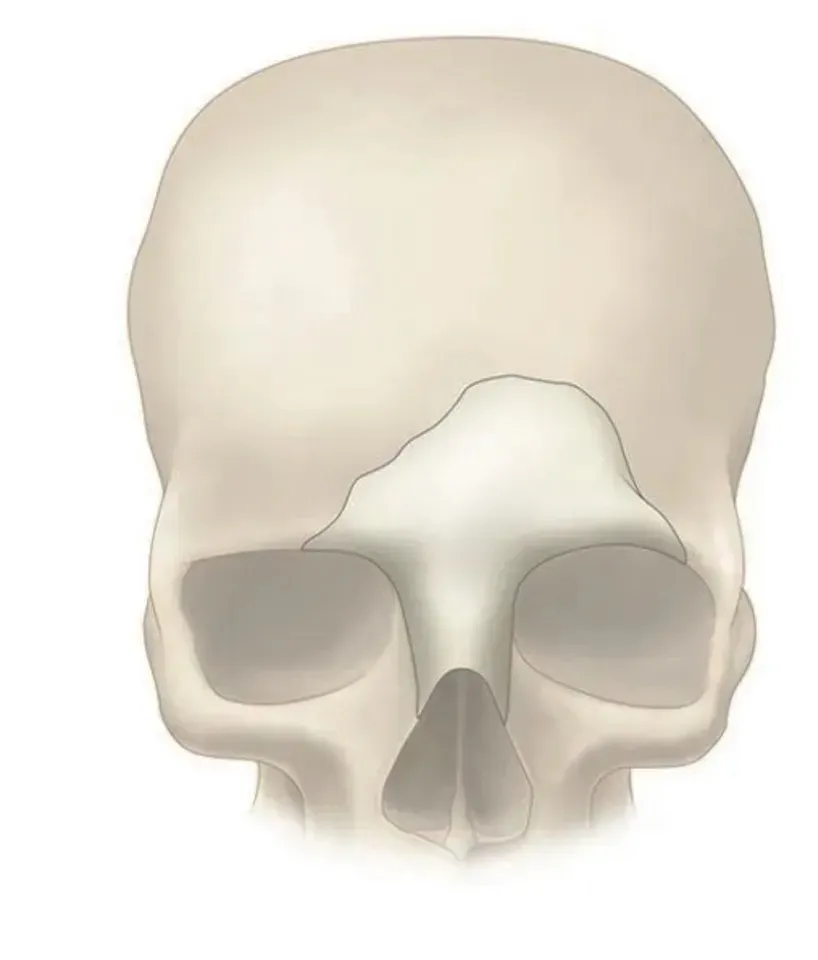
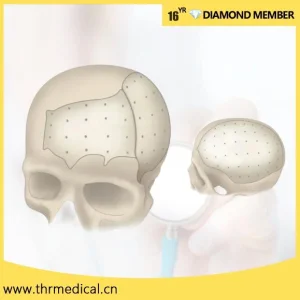
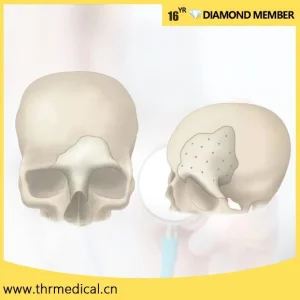
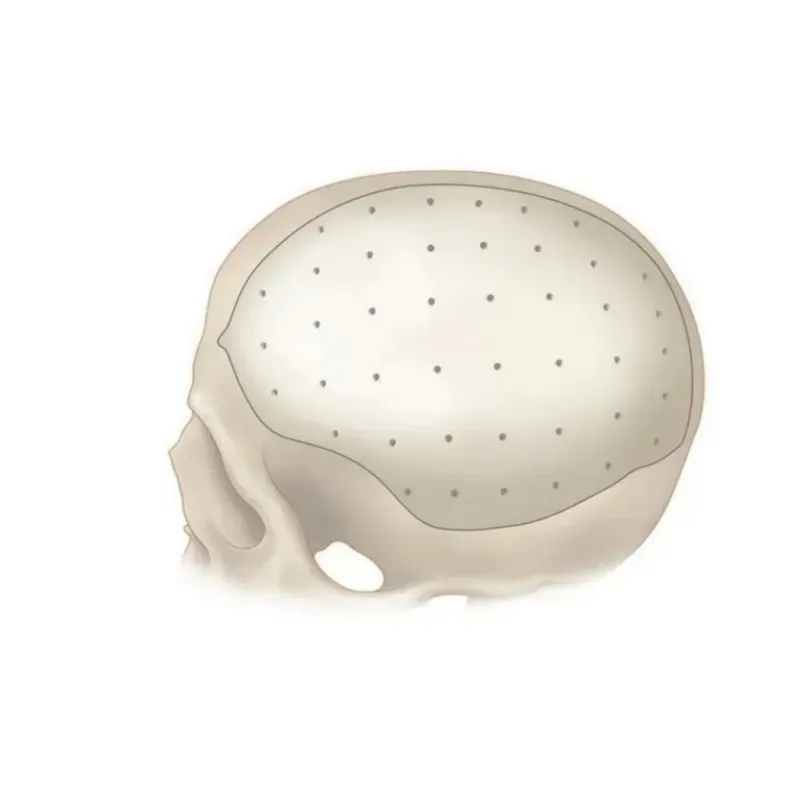
PEEK (Polyether Ether Ketone) Patient Specific Implant provides an improved solution for patients with a cranio-maxillofacial defect. Our technology and craftsmanship produce a perfect match to the specific anatomical requirement in a custom implant.
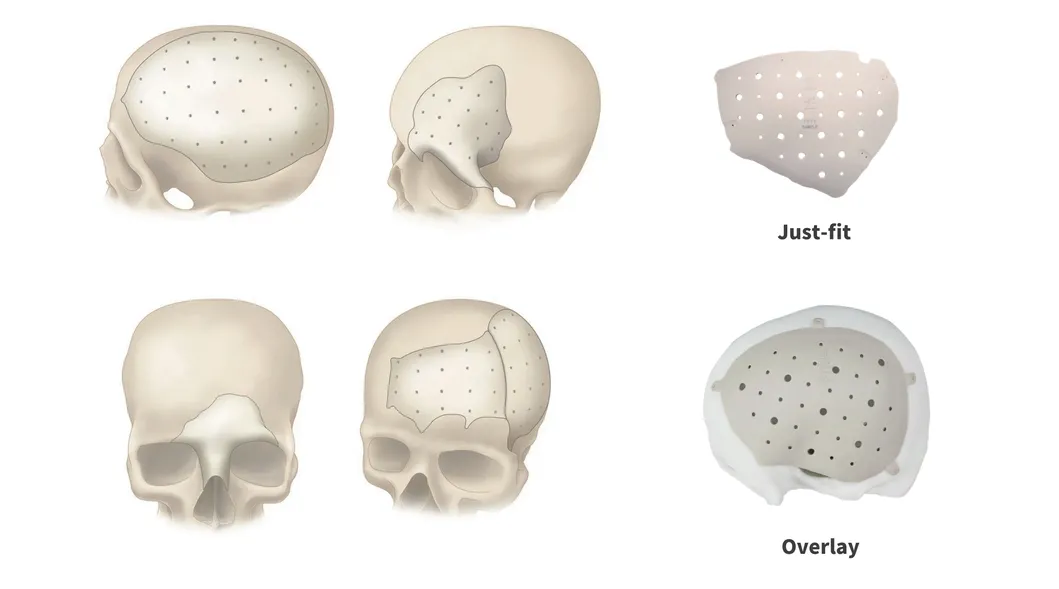
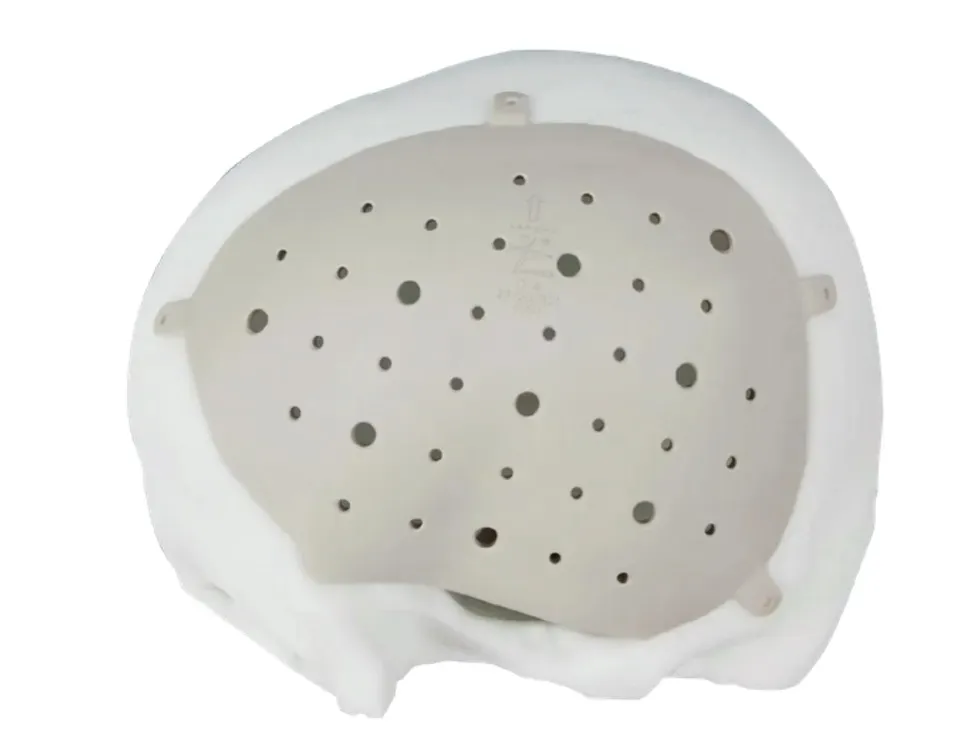
PEEK can be designed and provided in single or multiple pieces with just-fit or over-lay concepts. Additionally, this patient specific implant can be reliably fixated using cranial fixation systems.
🛡️
Excellent Biocompatibility
Non-cytotoxic, corrosion resistant, non-carcinogenic, and non-conductive. Capable of sustaining repeated steam, ETO sterilization, and Gamma irradiation.
💪
Outstanding Bio-Mechanical Character
Exceeding tensile strength to the native bone and providing better protection to the cerebrum. Distracts stress effectively when deformity occurs.
📷
Better Imaging Compatibility
Non-Magnetic and highly translucent to X-rays. Allows for CT/MRI imaging diagnosis without scattering or artifacts.
📐
Perfect Contour Reconstruction
CAD/CAM technology allows for the restoration of defect models and reconstruction of the natural contour of the brain precisely.
Frequently Asked Questions
What is a PEEK Patient Specific Implant (PSI)?
It is a custom-made implant designed using CAD/CAM technology to perfectly match a patient's unique anatomical cranial or maxillofacial defect using biocompatible PEEK material.
How does PEEK compare to traditional Titanium implants?
PEEK offers mechanical properties closer to natural bone, superior thermal insulation, and better imaging compatibility (no artifacts in CT/MRI) compared to Titanium.
Is the PEEK implant compatible with MRI scans?
Yes, PEEK is non-magnetic and radiolucent, allowing for clear CT and MRI imaging without the scattering or interference often caused by metal implants.
Can the implant be sterilized?
Absolutely. PEEK material is highly resistant to hydrolysis and can withstand repeated steam sterilization, ETO sterilization, and Gamma irradiation.
How is the perfect fit achieved for each patient?
We use advanced CAD/CAM technology based on the patient's medical imaging data to reconstruct the natural contour and create an implant that fits the defect area precisely.
What are the primary applications for this implant?
It is primarily used for craniomaxillofacial repair, reconstruction of skull defects, and fixation of deformities resulting from trauma or surgery.