Clerivida Medical
1 / 5
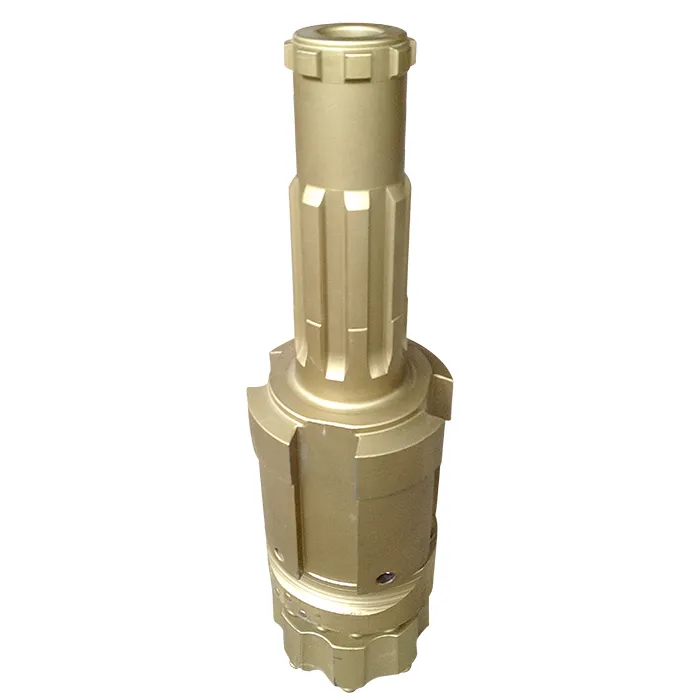
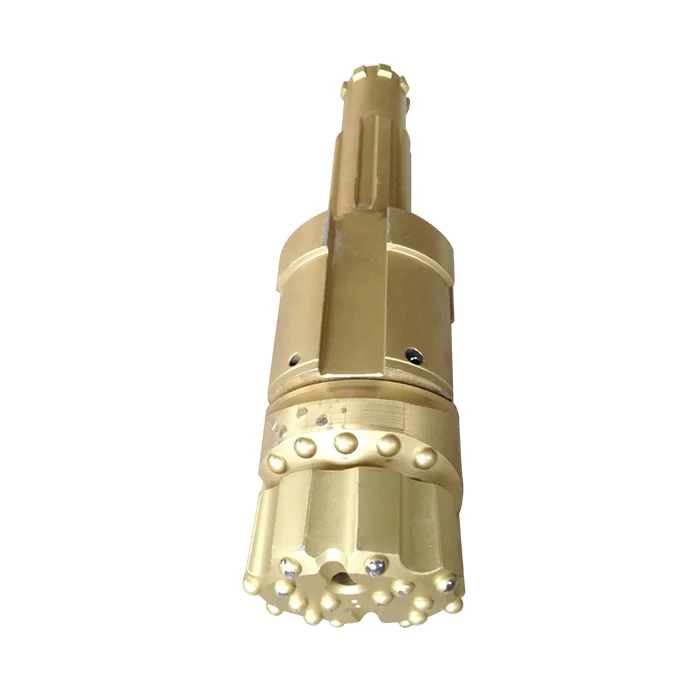
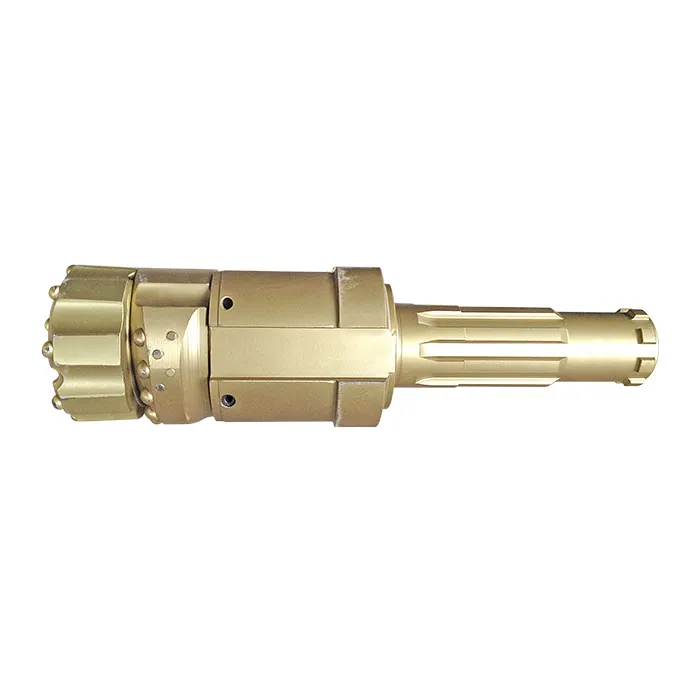
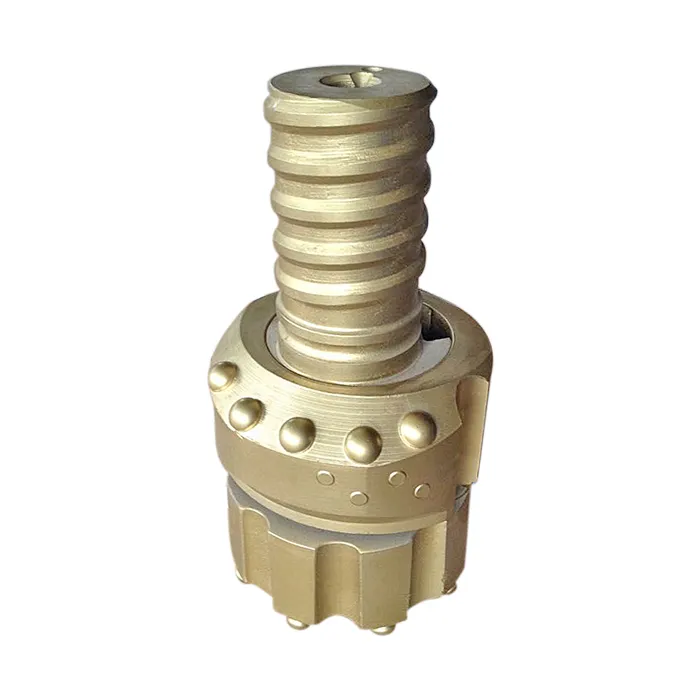
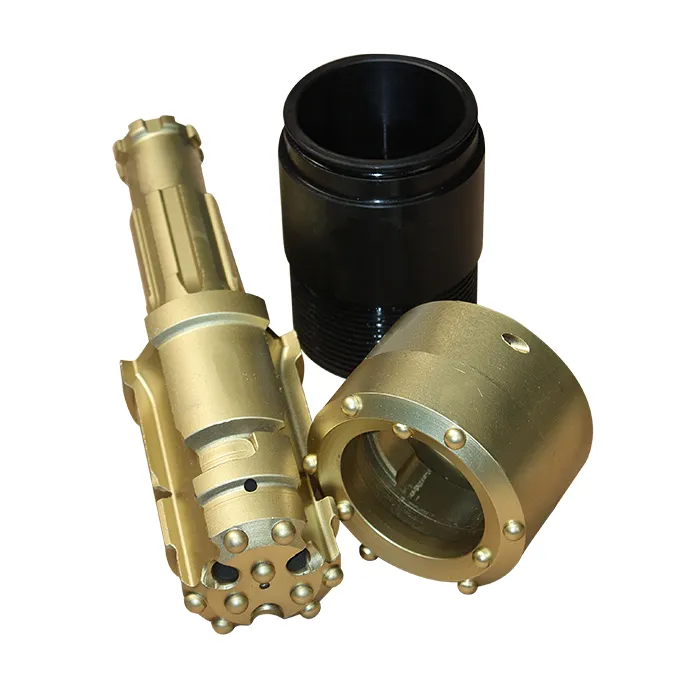
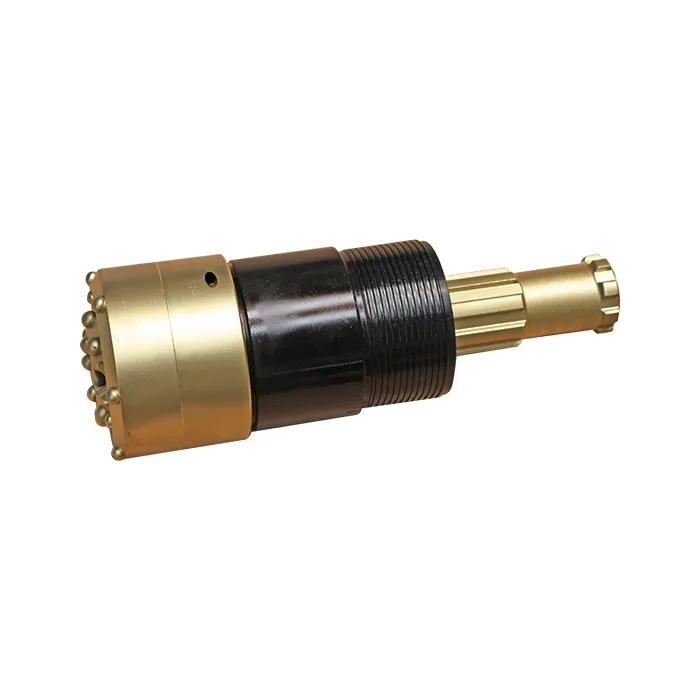
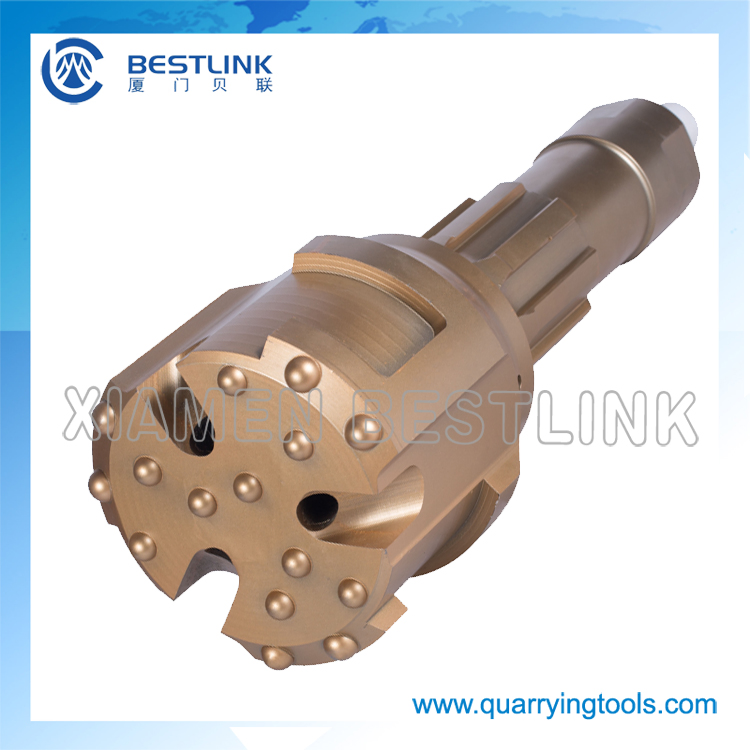
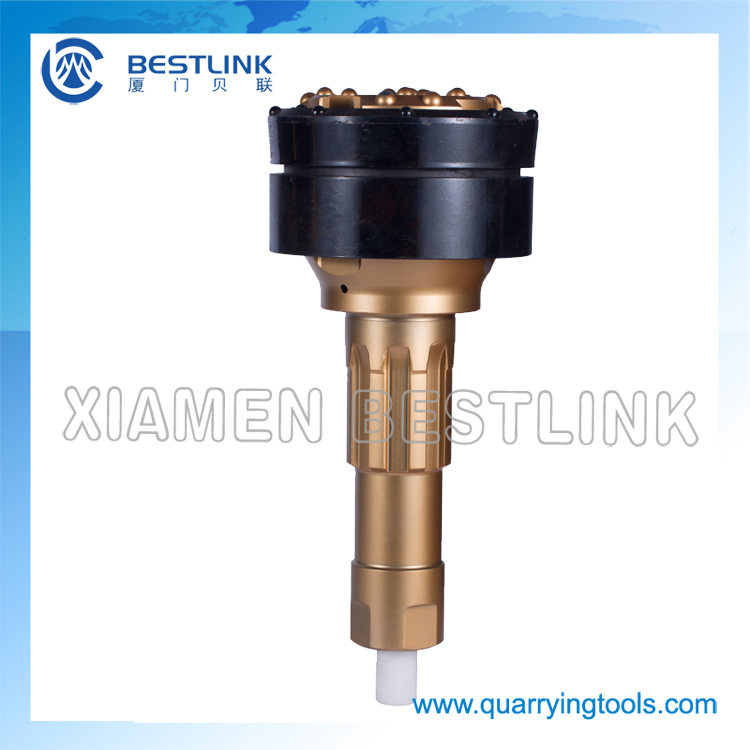
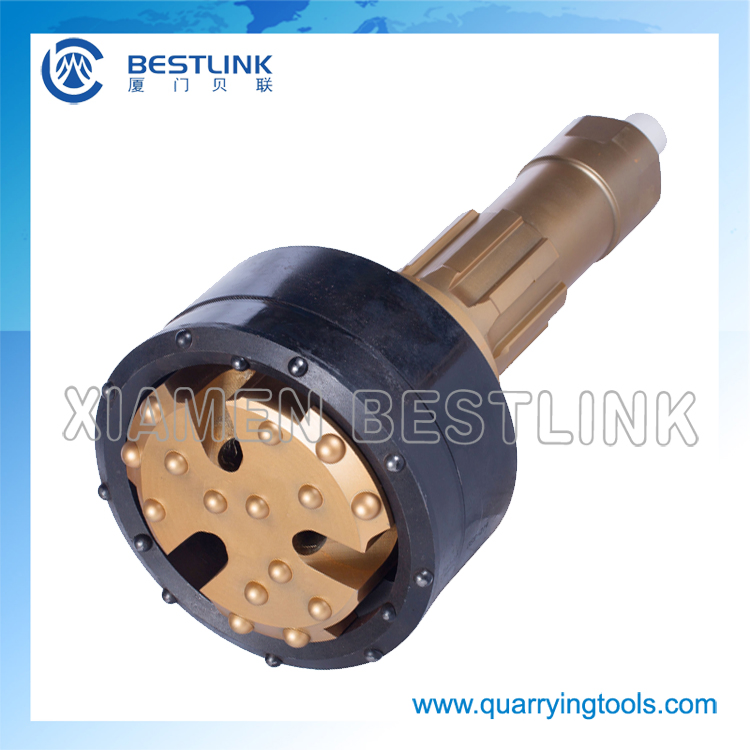
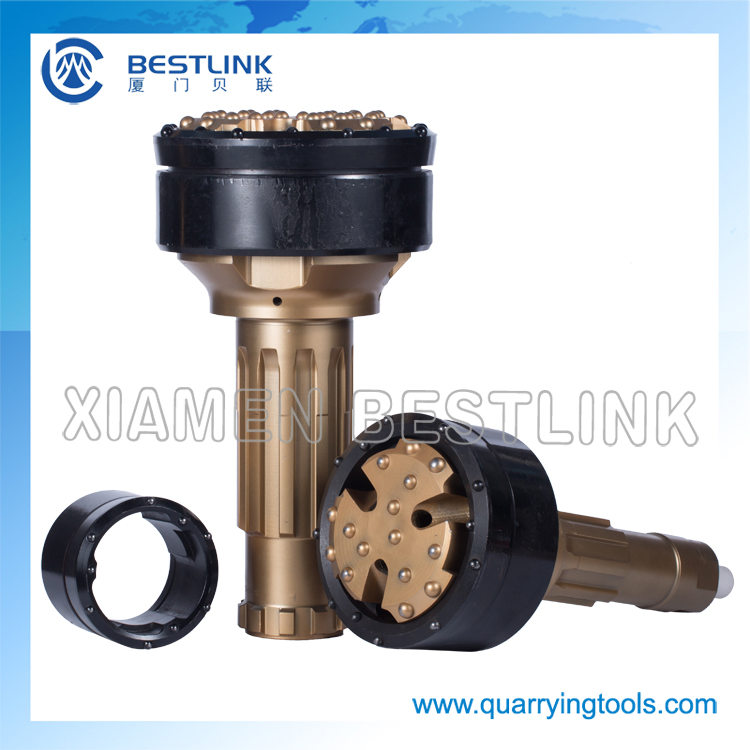
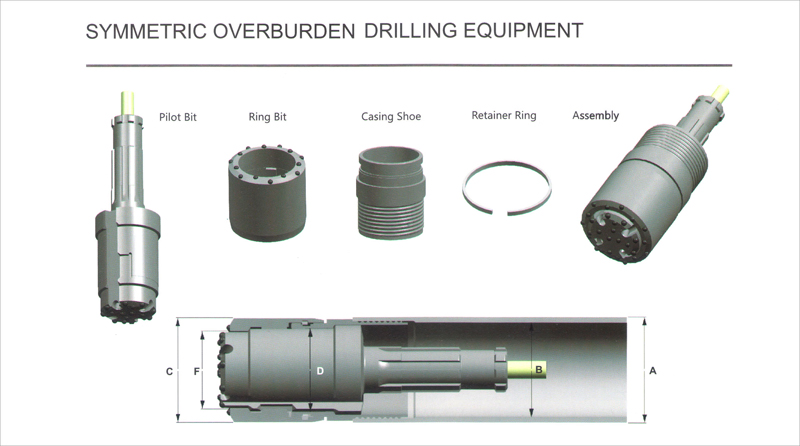
Symmetric Overburden Drilling Equipment is specifically engineered for challenging environments including water wells, geothermal wells, short micropiles, and medium mini-type grouting holes for buildings, dams, and harbor projects.
Casing drilling enables simultaneous drilling and casing through unstable ground conditions. This process allows down-the-hole tools to be retrieved via wire-line through the casing, significantly reducing tool recovery or replacement time from hours to minutes.
This advanced method employs wire line-retrievable tools and a drill-lock assembly, permitting bit and BHA changes, coring, electrical logging, and even directional or horizontal drilling. Once the casing point is reached, the casing is cemented in place without the need for tripping pipe.
| Casing tube OD(mm) | Casing tube ID(mm) | Reamed Dia(mm) | Casing Shoe ID(mm) | Pilot bit Dia(mm) | Hammer shank |
|---|---|---|---|---|---|
| 108 | 93-99 | 118 | 86 | 77 | DHD3.5/QL30 |
| 114 | 102-104 | 127 | 91 | 82 | DHD3.5/QL30 |
| 127 | 115-117 | 136 | 101 | 92 | DHD3.5/QL30 |
| 140 | 124-128 | 152 | 117 | 105 | DHD340/SD4/QL40/M40 |
| 146 | 130-134 | 154 | 117 | 105 | DHD340/SD4/QL40/M40 |
| 168 | 148-156 | 185 | 140 | 125 | DHD350/SD5/QL50/M50 |
| 178 | 158-166 | 195 | 150 | 140 | DHD350/SD5/QL50/M50 |
| 194 | 174-182 | 211 | 166 | 150 | DHD360/SD6/QL60/M60 |
| 219 | 199-207 | 237 | 193 | 165 | DHD360/SD6/QL60/M60 |
| 273 | 253-257 | 308 | 241 | 220 | DHD380/SD8/QL80/M80 |